Fuel Management
Emergency Generator Hire and Urgent Fuel Strategy
Learn how emergency generator hire and rapid diesel planning protect commercial facilities during power outages when fuel levels drop dangerously low.
By BorrowBox ·
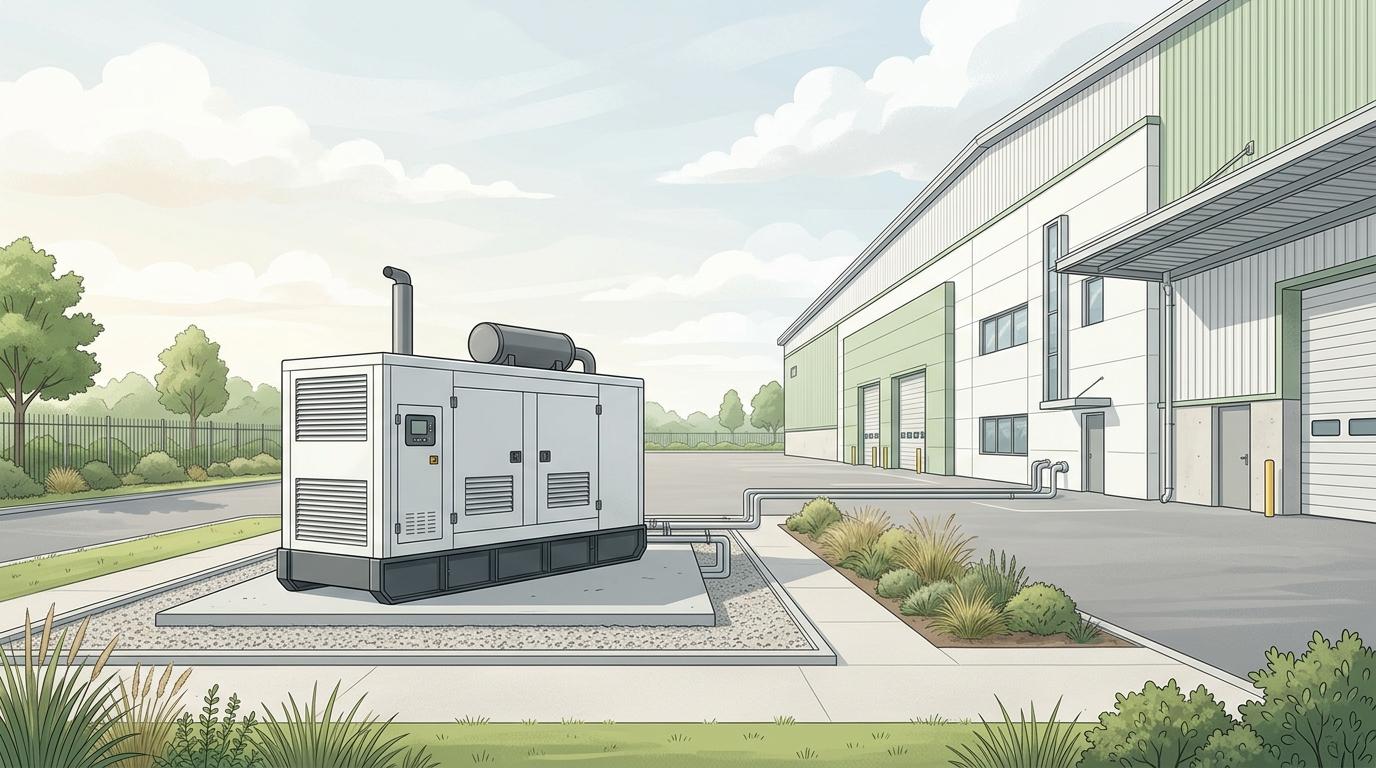
When a power failure strikes and a facility fuel tank drops toward empty, securing emergency generator hire and organizing swift diesel replenishment become immediate priorities. Running a commercial generator dry risks electrical trips, critical facility downtime, and air locks inside mechanical fuel systems. Operations teams facing low fuel during extended outages need an immediate mitigation protocol that balances load reduction with urgent fuel dispatch.
Immediate Steps When Diesel Levels Drop Below Twenty Percent
A sudden drop in diesel reserves requires prompt operational choices on site. First, separate essential electrical circuits from non critical loads. Shedding peripheral lighting, secondary air handling, and non vital machinery instantly stretches remaining fuel runtime. This bought time gives managers space to contact fuel distributors and evaluate whether secondary power support is needed.
Second, confirm physical tank levels rather than relying solely on remote dashboard indicators. Mechanical gauges or manual dip sticks verify exact remaining volumes without digital calibration discrepancies. Once physical levels are confirmed, calculate approximate hourly fuel consumption under the reduced load profile to establish an accurate operating runway.
Sourcing Fuel and Additional Power in Critical Moments
Procuring diesel during widespread grid outages presents logistical friction. Local traffic conditions, regional supply bottlenecks, and regional depot operational hours can affect delivery schedules. Commercial buyers must verify local availability directly with vendors rather than assuming instant transit.
In scenarios where existing machinery exhibits mechanical stress or fuel consumption outpaces delivery feasibility, deploying emergency generator hire units alongside dedicated fuel transport acts as a stabilization strategy. A secondary generator provides operational redundancy while primary storage tanks receive fuel.
| Fuel Level | Immediate Operational Action | Logistics Communication | Power Management |
|---|---|---|---|
| Thirty Percent | Assess remaining operational runtime based on live facility draw | Alert designated fuel distributor about potential dispatch requirements | Review circuits to determine deferrable loads if grid failure persists |
| Twenty Percent | Verify fuel levels physically at tank storage gauges | Formally request urgent delivery window and confirm access points | Disconnect non critical building systems to conserve available fuel |
| Ten Percent or Below | Isolate strictly essential business continuity infrastructure | Maintain continuous mobile contact with approaching fuel tankers | Prepare emergency generator hire equipment for potential failover support |
Core Questions for Fuel Delivery and Backup Providers
Logistical agreements vary substantially between fuel providers and equipment hire vendors. Site leaders should establish commercial expectations before emergencies occur by clarifying key operating parameters:
- What are the standard operational hours for depot dispatch during regional grid disruptions
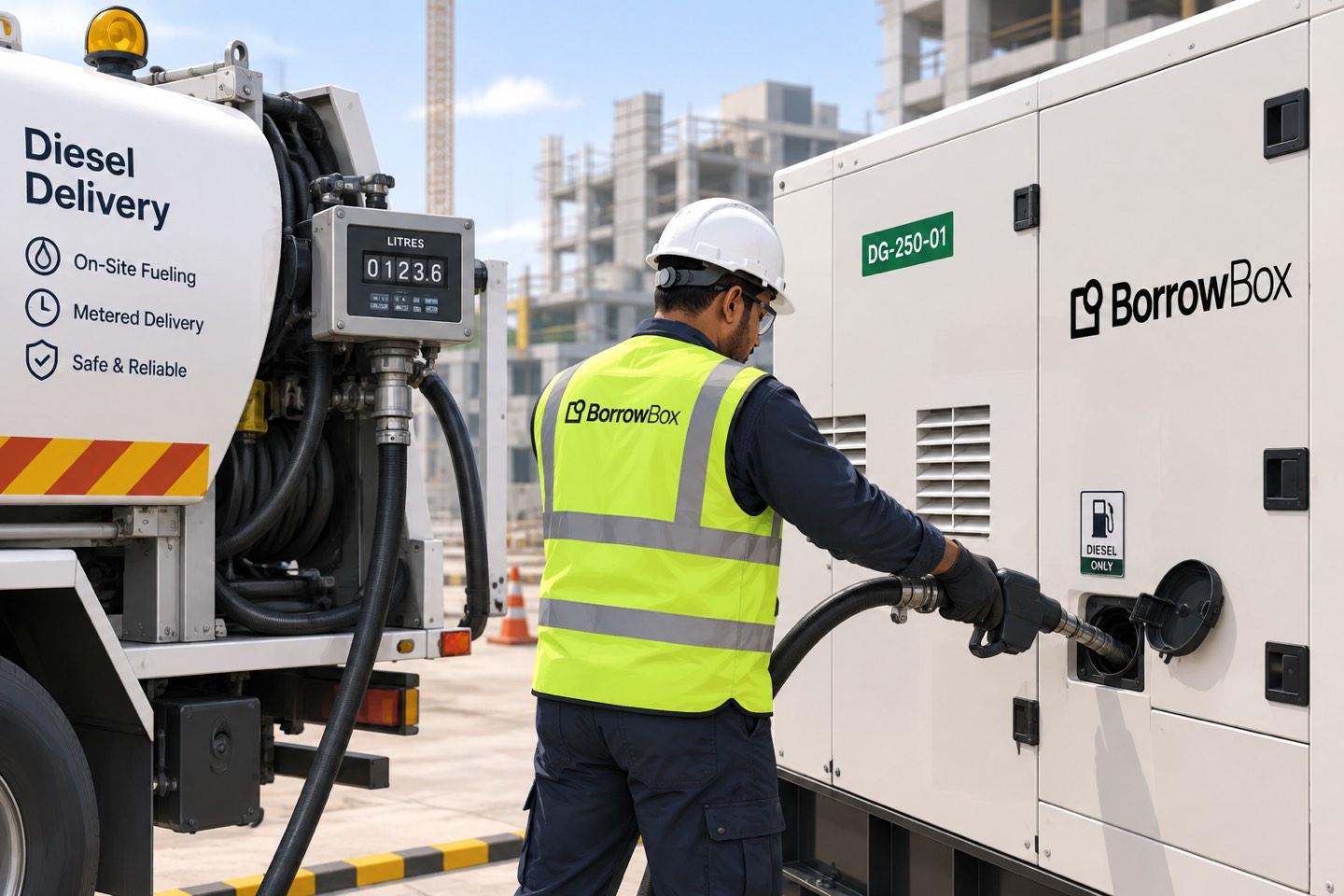
- Are dedicated bowser tankers available for direct machinery filling or only bulk tank offloading
- What specific site access specifications and tanker turning clearances does the delivery vehicle require
- Can secondary generation equipment be dispatched simultaneously if primary engines suffer fuel starvation
- What documentation or local commercial clearances are requested before offloading fuel at night
Reducing Future Risk Through Proactive Fuel Governance
Emergency scrambles often highlight systemic gaps in facility fuel management. Establishing automatic low level warning alerts, scheduled weekly physical inspections, and pre negotiated supply arrangements reduces vulnerability during sudden grid collapses.
Maintaining clear supplier relationships for both bulk fuel deliveries and auxiliary machinery protects facility operations against seasonal grid instability and unexpected mechanical interruptions.
Frequently Asked Questions
What causes diesel engines to stall before the tank is completely empty
Sediment, sludge, and condensation naturally collect at the base of bulk storage tanks. When fuel reaches very low levels, the suction line may draw in these contaminants or pull air bubbles into the combustion lines, prompting sudden engine cutoffs.
How quickly can an emergency diesel delivery arrive at a commercial facility
Transit intervals depend upon road traffic, site location, driver availability, and terminal loading queues. Businesses should check expected dispatch intervals directly with regional distributors rather than assuming standard arrival times.
Why should facility teams shed electrical loads during a fuel shortage
Diesel engines consume fuel at rates roughly proportional to their electrical load. Dropping non essential electrical demand reduces the burn rate per hour, directly extending how long equipment operates before refuelling.
Can standard fuel tankers dispense directly into running generators
Direct fuelling depends upon site safety protocols, tanker pumping equipment, and generator manufacturer safety guidelines. Many operations require machinery shutdown during refuelling to prevent thermal ignition hazards.
What should teams do if an engine runs dry and shuts down
When a generator runs out of fuel, air typically fills the fuel lines and injectors. Simply adding diesel is rarely sufficient; technical maintenance teams usually need to prime the fuel system and bleed out trapped air before restarting.
When is emergency generator hire necessary alongside fuel replenishment
Bringing in auxiliary rental units is practical when the existing engine shows warning alarms, requires extended maintenance downtime after running dry, or when facility power demand exceeds the capacity of available running units.
Connect with the BorrowBox team to review fuel logistics and generator support for your site. Explore Commercial Fuel Delivery Solutions