Generator monitoring
Generator Load Management: Plan and Review Site Demand
Use generator load management to document demand, review changing equipment and turn monitored readings into clearer operating decisions.
By BorrowBox ·
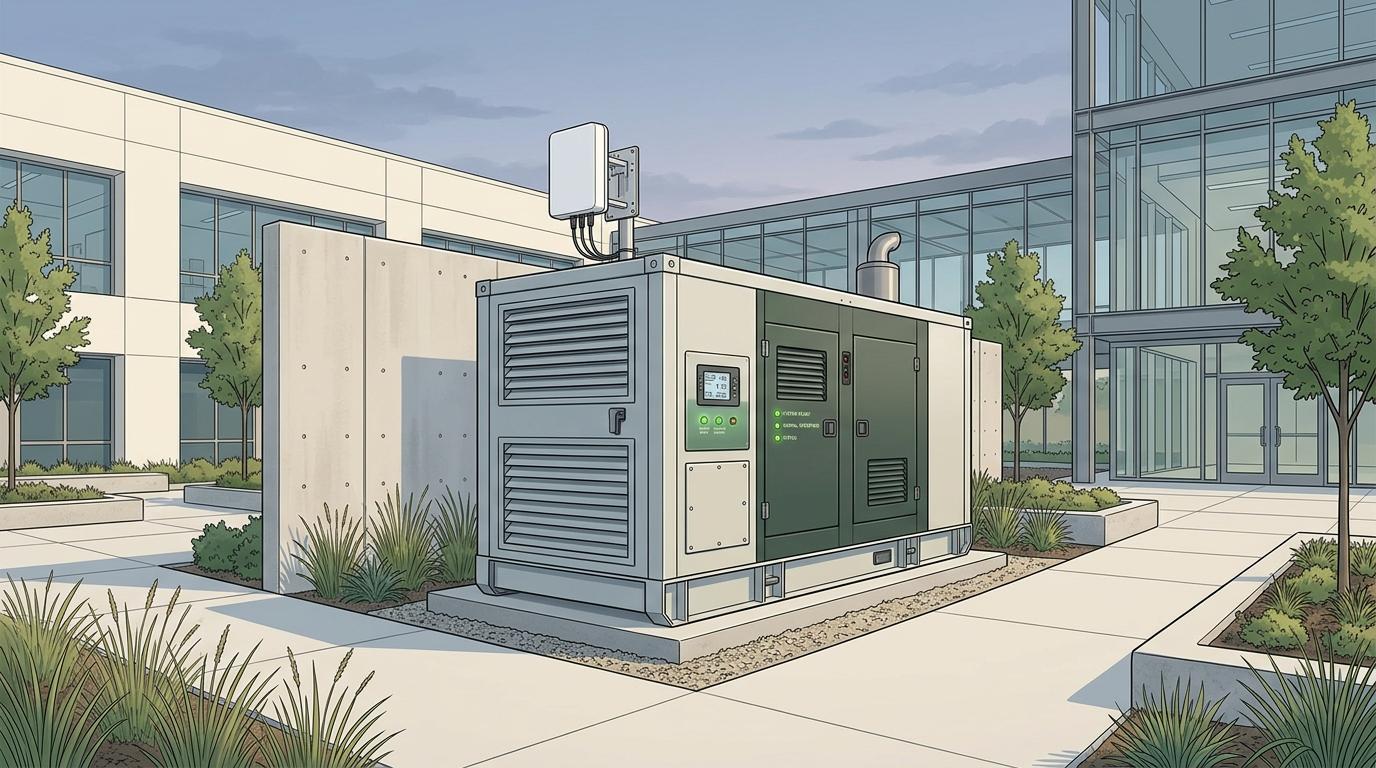
Generator load management means understanding which equipment a generator supplies, how that demand changes and when the power plan needs professional review. It starts with an equipment list and operating schedule, then uses recorded readings to compare the plan with actual use. The aim is to support informed decisions about capacity and operations, rather than relying on a single dashboard number.
Start generator load management with an equipment register
List the equipment connected to the temporary or backup supply. Record the equipment name, location, available manufacturer information and the person who understands its operating pattern. Distinguish a missing rating from a measured value. That distinction helps an electrical specialist assess the quality of the information before making a recommendation.
Group the list by operating area or activity. A warehouse dispatch shift, building services and a commissioning task may use power at different times. A register organised around the work is easier to update than a capacity estimate that no one can trace back to equipment.
Describe when the demand occurs
An equipment total does not explain whether those loads operate together. Add the planned operating windows and activities that could overlap. Note uncertain items, temporary additions and changes expected later in the project. Have the relevant electrical professional assess starting requirements and the suitability of the proposed supply.
Avoid turning this planning document into an informal instruction to alter electrical connections. Distribution, protection settings and equipment selection need the appropriate technical assessment. The operations team contributes accurate requirements and records what changes after that assessment.
Compare recorded demand with the planned pattern
Ask which readings are available from the generator controller or monitoring system, how they are measured and when they are updated. Keep operating context alongside the data. A reading taken during setup has a different meaning from one captured during the busiest production activity.
Review trends over comparable periods. An isolated high or low reading can prompt a question, but it does not explain its cause. Check whether equipment started, a shift changed, a sensor stopped reporting or a planned activity was cancelled before deciding that the generator requirement has changed.
Give changes an owner and a review route
Choose who updates the equipment register and who requests a technical review. New machinery, a revised work sequence or a repeated operating issue should lead to a documented decision. Include the rental or maintenance partner when a change could affect the supplied equipment or its service arrangements.
Record the decision, supporting observations and next review point. For example, a project moving into a new phase might need a fresh demand assessment before extra equipment is connected. Keeping that record makes the next shift aware of the approved plan and the questions still open.
Build a practical review record
- Keep the current equipment register and assessed supply plan together.
- Record the operating activity alongside the relevant readings.
- Identify gaps in measurements rather than filling them with guesses.
- Send changes that affect capacity or distribution for technical review.
- Record who accepted the revised plan and communicated it to the site.
| Observed change | Information to bring | Review question |
|---|---|---|
| Equipment added | Equipment identity and available ratings | Does the assessed plan need updating? |
| Operating shifts changed | Current operating programme | Which activities now overlap? |
| Unexpected reading | Timestamp, activity and measurement source | What context is needed for assessment? |
Common questions about generator load management
Can a dashboard replace a capacity assessment?
A dashboard provides observations about operation. Capacity selection also needs equipment requirements, operating context and appropriate electrical expertise, including consideration of starting and changing loads.
Which reading should a site manager watch?
Ask the technical team to identify the readings relevant to the installed generator and its application. The useful set depends on available measurements, the equipment and the decisions being made.
Does a low reading mean the generator should be replaced?
Not by itself. Check when the reading was taken, whether it represents the expected activity and whether future demand differs before requesting an equipment review.
When should the load list be updated?
Update it when equipment or operating arrangements change. Keep the revision connected to the assessed power plan so that site additions do not become undocumented assumptions.
Can monitoring identify the cause of every change?
Monitoring can show changes in available readings, but explanation needs context. Equipment events, communications gaps and measurement problems can require different follow up from the responsible team.
How does this help rental planning?
A documented demand pattern gives the rental team a clearer brief. It also provides a basis for discussing changes when the project moves to another operating phase.
Turn readings into a recorded decision
Begin with one site and one operating pattern. Connect each review to a named owner, a technical contact and an agreed action rather than collecting readings without follow through.
Start with the readings and operating decisions your site needs to support. Discuss generator monitoring for your site