Generator rental
Generator Rental for Events: Build the Power Brief
Plan generator rental for events with a shared supplier brief, operating programme, venue constraints and clear responsibility for power coordination.
By BorrowBox ·
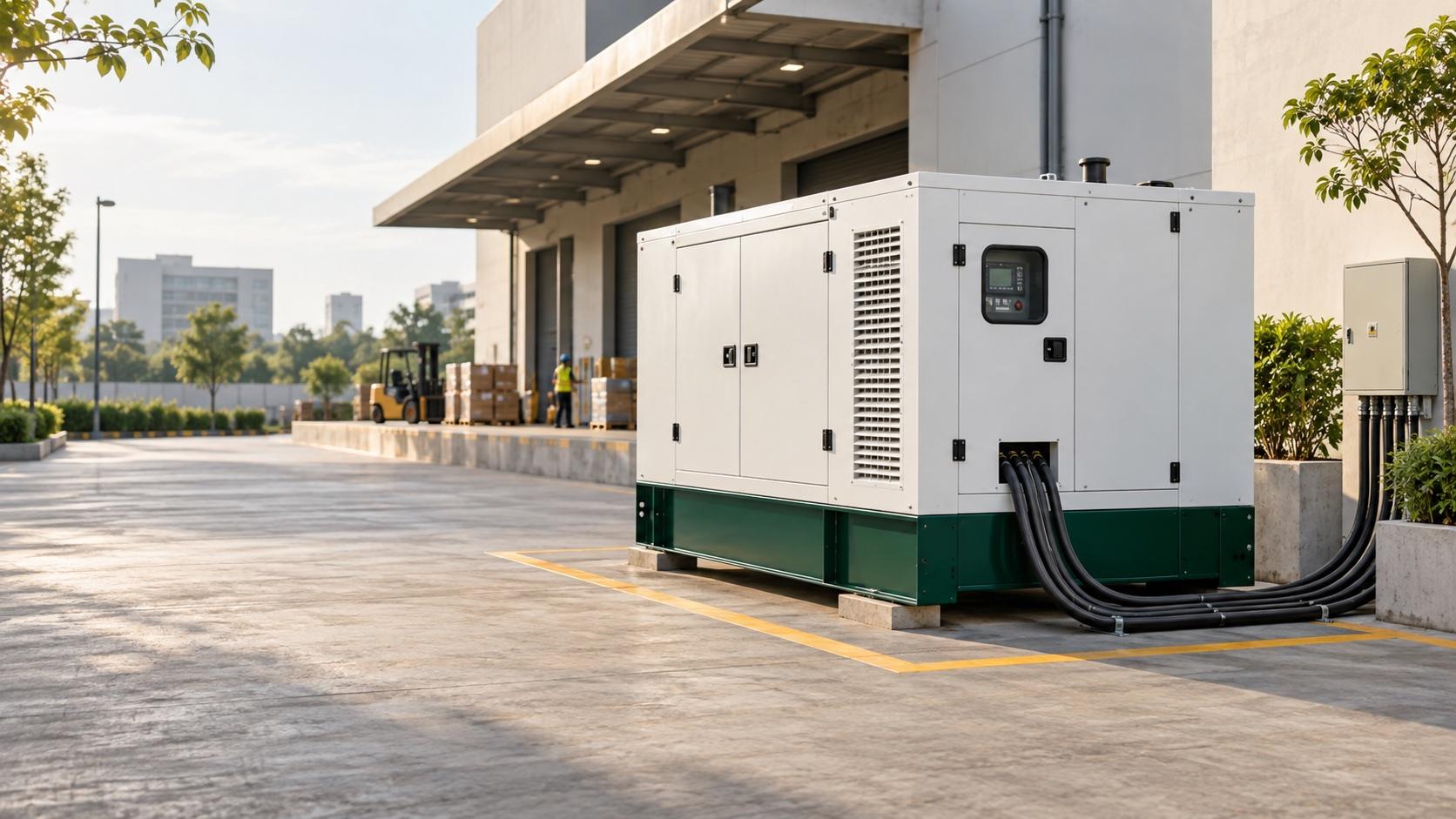
Generator rental for events should begin with a shared power brief that brings the event programme, supplier requirements and venue information together. The rental and relevant electrical teams can then assess the equipment and operating arrangements. Treat power as a coordinated part of the event programme rather than a standalone booking based on an approximate capacity or the appearance of a generator.
Build a generator rental for events brief from supplier inputs
Collect the available equipment requirements from the teams providing sound, lighting, catering, displays and temporary facilities. Ask each supplier to identify its equipment and the activity it will support. A list of supplier names does not provide the same information as the equipment and operating requirements behind those names.
Choose a person to maintain the combined brief. Record which details are confirmed and which supplier still needs to respond. Give the relevant electrical professional the current information and ask what further assessment is needed before treating the power arrangement as agreed.
Put the event programme beside the load list
Describe setup, rehearsals, the event itself and the work that continues after attendees leave. Different activities may overlap or change during the programme. Explain those transitions so the technical assessment can consider the requirement the event will actually present.
Keep changes visible. A late addition from a lighting or catering team should enter the shared brief and reach the responsible technical and rental contacts. An event coordinator should not assume that an earlier equipment proposal already covers requirements that were never assessed.
Review the venue as an operating location
Share the venue address, access arrangements, proposed work areas and relevant venue conditions. Ask the provider and appropriate professionals to assess delivery, handling, operating location, distribution and sound considerations. Equipment marketed as silent or portable still needs assessment for the actual venue and application.
Identify who can confirm venue information and any dependencies involving other contractors. Keep the event team's desired programme separate from arrangements that the provider or venue has actually confirmed. If a requirement is unresolved, give it an owner and keep it visible in the plan.
Discuss continuity and incident responsibility
Explain which event activities need a particular continuity arrangement and ask the technical team to assess the requirement. Any proposed backup, changeover or alternative supply arrangement needs a defined scope. The event team should understand what is included and which decisions still require confirmation.
Record who coordinates incidents, contacts the provider and communicates confirmed updates to suppliers. Avoid relying on one person's informal messages during the event. A shared contact record and clear handover route are useful when different people manage setup, the live programme and closing work.
Compare the complete event service scope
Request the equipment proposal alongside logistics, installation, operating support, fuel arrangements, service availability and collection. Ask what changes if the programme runs beyond the assumptions in the quotation. Keep any exclusions and unconfirmed dependencies beside the commercial total.
Confirm the closing arrangements as part of the event plan. The provider needs a current collection location, access contact and agreed handover process. Retain the final equipment and operating records so that commercial closure does not depend on reconstructing the event from separate supplier messages.
Common questions about generator rental for events
Who should collect the supplier power requirements?
Nominate an event power coordinator or another responsible organiser. Each supplier contributes its equipment information, while the appropriate technical team assesses the combined requirement and proposed arrangement.
Can capacity be selected from the expected audience size?
Audience size alone does not describe the equipment to be supplied. Collect the actual supplier requirements and programme so that the technical team can assess the power brief.
Does a silent generator solve every venue concern?
No product label establishes suitability for every venue. Ask the relevant teams to assess the specific equipment against the operating location, sound considerations and other venue requirements.
Should setup and closing work be included in the rental brief?
Yes. Describe the activities before and after the main programme so the quotation and operating assessment refer to the complete event requirement rather than the audience period alone.
What should happen when a supplier adds equipment?
Update the shared brief and request the appropriate review. A changed requirement should reach the technical and rental teams before it is treated as part of the agreed arrangement.
What should be confirmed about backup arrangements?
Explain the activity and continuity requirement to the technical team. Ask for the assessed proposal, operating responsibilities and limitations, and keep them with the event power plan.
Make power part of the production discussion
Bring supplier requirements, the event programme and venue contacts together early enough for assessment. A shared brief gives everyone a clearer understanding of the arrangement being proposed.
Share your equipment list, operating programme and site details with BorrowBox. Discuss generator rental for your site