Generator rental
Generator rental guide for business sites in India
Generator rental explained: plan your load, compare quotes, arrange delivery and fuel, and confirm support before booking for a business site.
By BorrowBox ·
Generator rental gives a business temporary power without buying a machine for a short or uncertain need. A useful booking starts with the equipment you must run, the hours it must run, and the conditions at the site. Those details shape the generator capacity, delivery plan, fuel arrangement and support you should ask for. This guide walks through each decision so you can compare complete proposals rather than choosing from a capacity label or a headline price alone.
Start with the job the generator must do
Write down whether the generator will be the main supply for a project, a planned supply for an event, or backup for an existing electrical system. The answer changes when power must be available, what happens during a failure, and who needs to operate the equipment. Also record the site address, start date, estimated rental period and the person who can approve access and installation. A provider can give a more useful proposal when these basics are clear.
| Use | Main planning question | Detail to confirm |
|---|---|---|
| Construction site | Which tools and temporary facilities run together? | Changing loads and site access |
| Event | Which moments cannot lose power? | Setup time and operating window |
| Business backup | Which circuits must remain available? | Changeover arrangement and response plan |
Choose capacity from a load list, not a guess
Ask your electrician or site team for the connected equipment list. Record each load's running power, its starting demand if it has a motor, and whether it will operate at the same time as other loads. Lighting, office equipment, pumps, compressors and air conditioning can create very different demand patterns. Add the loads that will actually run together, then check the largest starting event. A nameplate total by itself may hide the moment that matters most.
A simple calculation to frame the discussion
Suppose an illustrative site has a simultaneous running demand of 24 kW and an assumed power factor of 0.8. Dividing 24 by 0.8 gives 30 kVA of running demand. That is a starting point for a conversation, not a recommendation to rent a 30 kVA machine. Motor starting, future equipment, operating conditions and the generator's actual rating still need to be checked. Share the underlying load list with a qualified electrician and the rental provider before a final size is chosen.
Caterpillar's commercial sizing guide also separates running demand from starting demand and recommends engineering review for critical uses. Read Caterpillar's generator sizing guidance
Compare the whole rental proposal
Two quotes for the same nominal capacity may cover different services. Ask each provider to specify the rental period, equipment rating, delivery and collection, installation support, cables or distribution equipment, fuel responsibility, planned service and breakdown response. Confirm what happens if the site extends the rental or changes its load. A clear scope makes the price easier to compare and reduces decisions made under pressure after the equipment arrives. Avoid publishing or relying on a generic price table because actual rates depend on the site and the agreed scope.
- Confirm the generator rating and the loads the proposal assumes.
- Ask who provides cables, distribution and any changeover equipment.
- Record the delivery window, unloading access and collection terms.
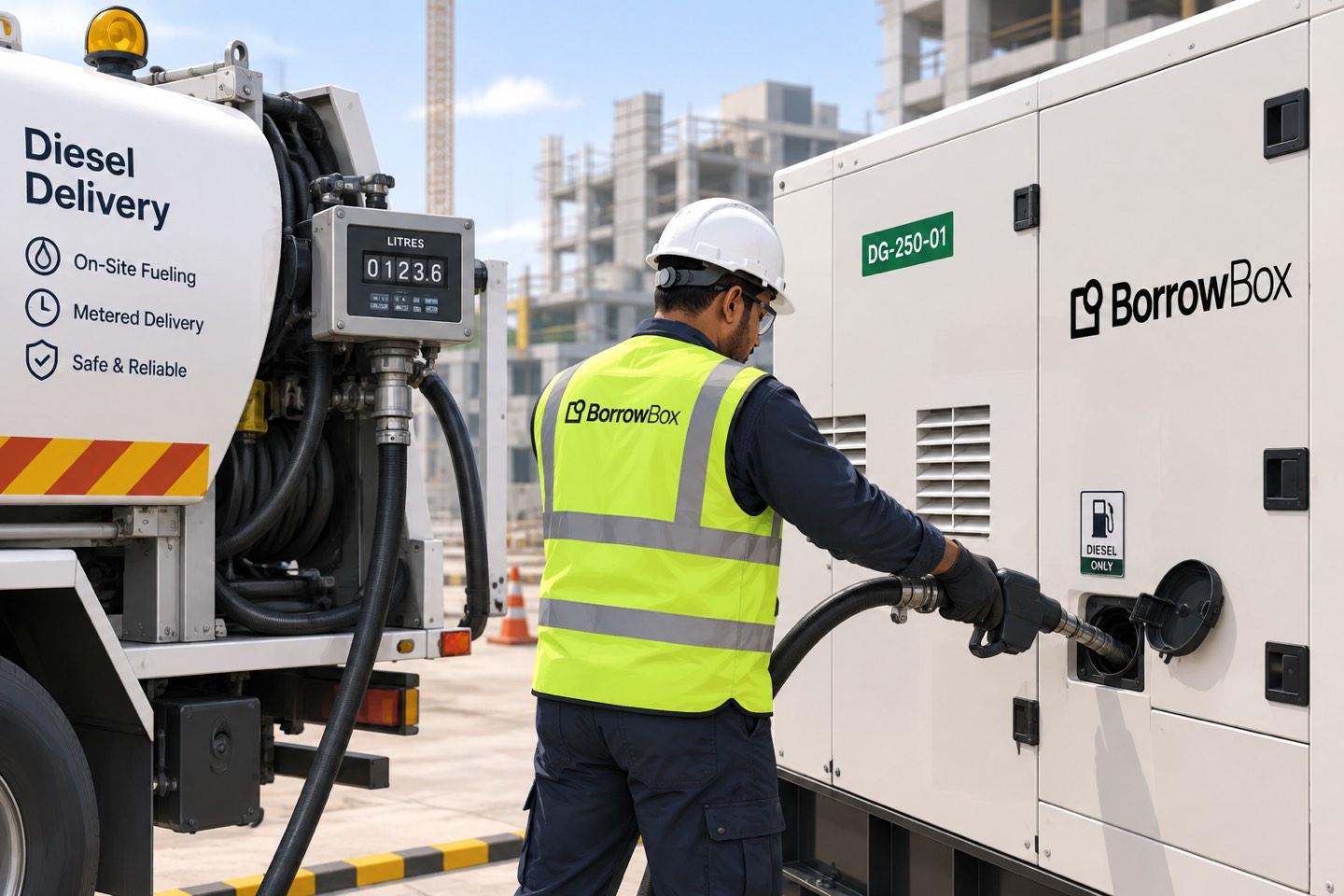
- State who supplies fuel and who monitors the fuel level.
- Agree on service intervals, fault reporting and response ownership.
Plan the site before delivery day
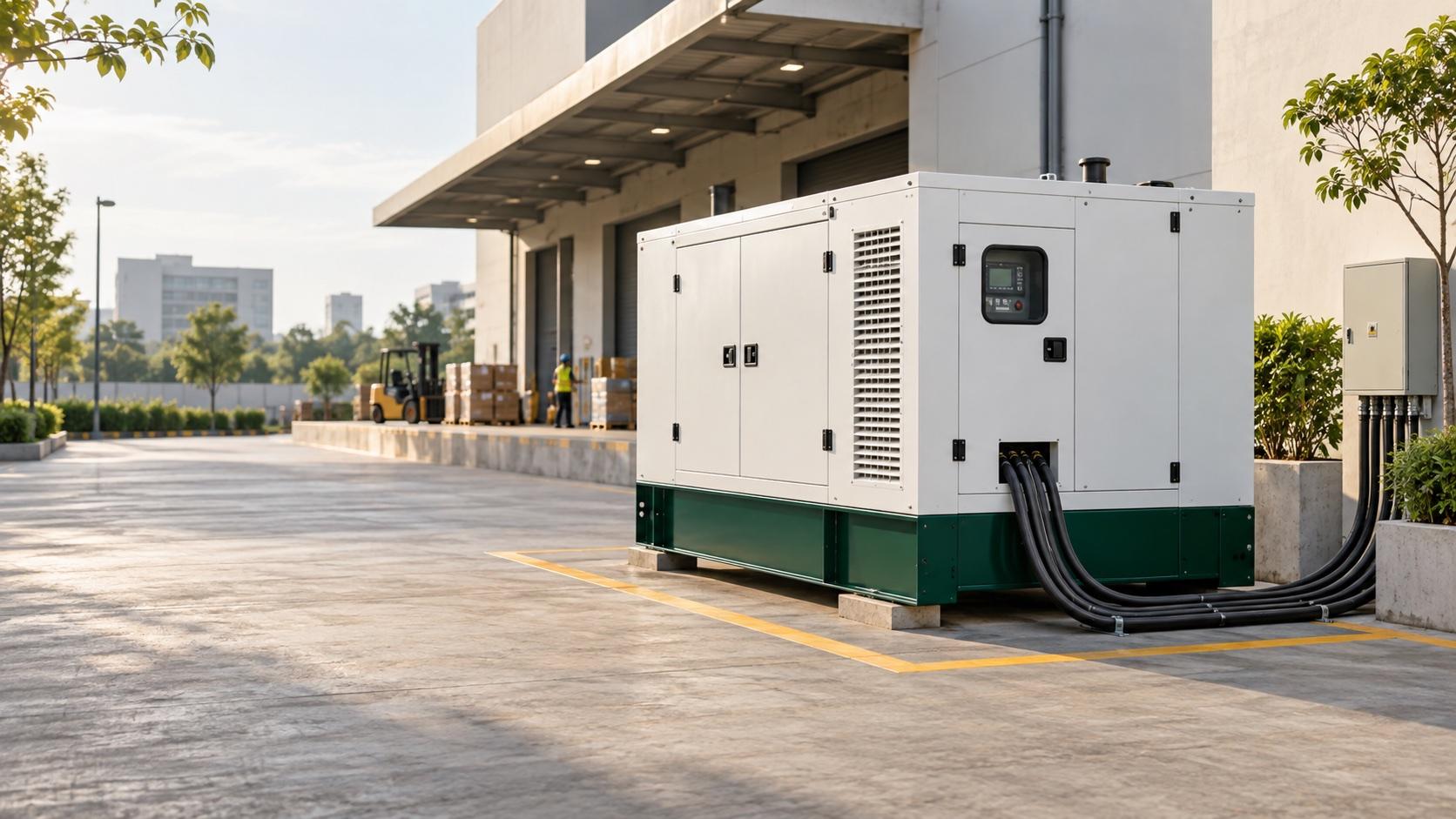
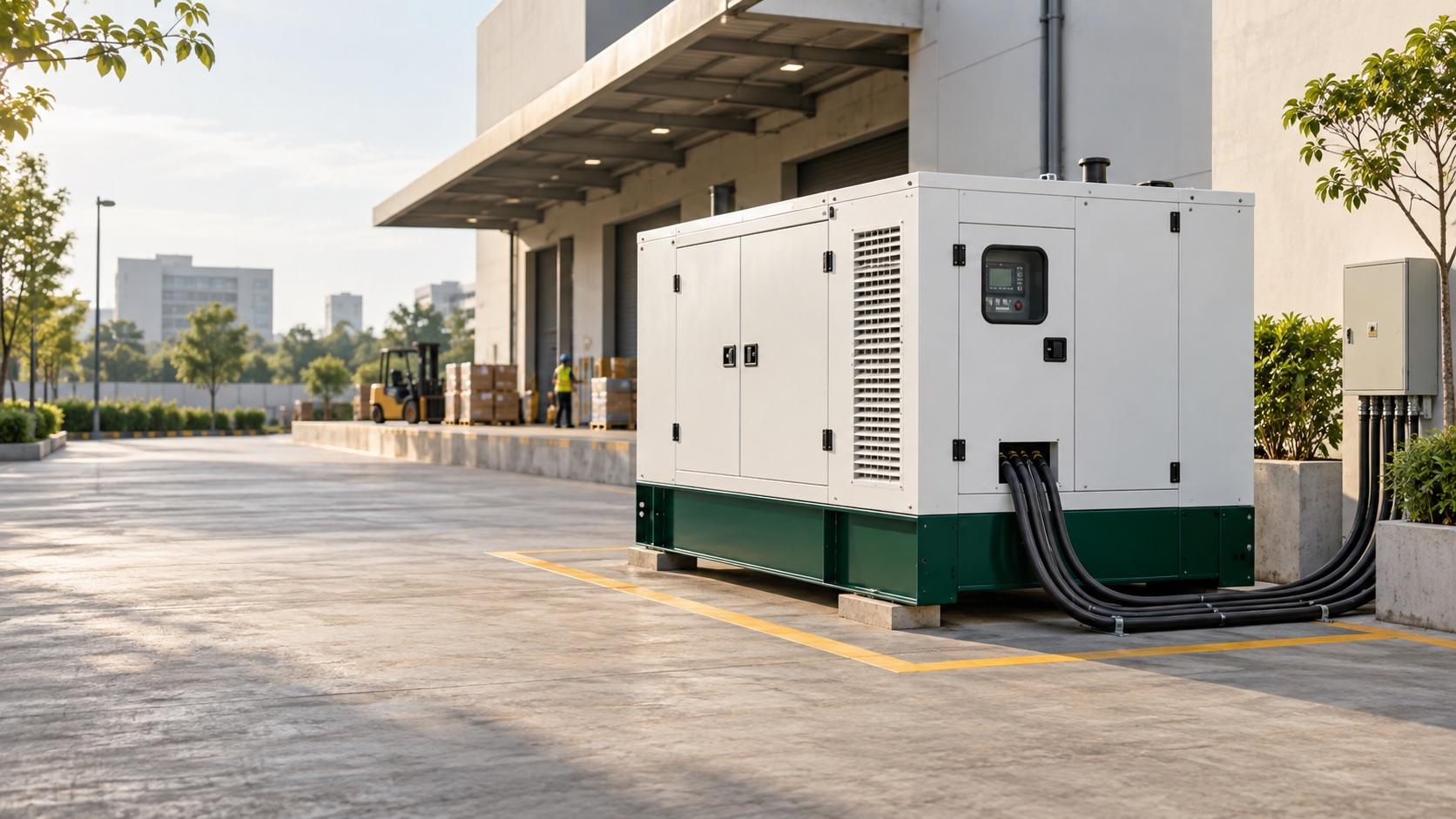
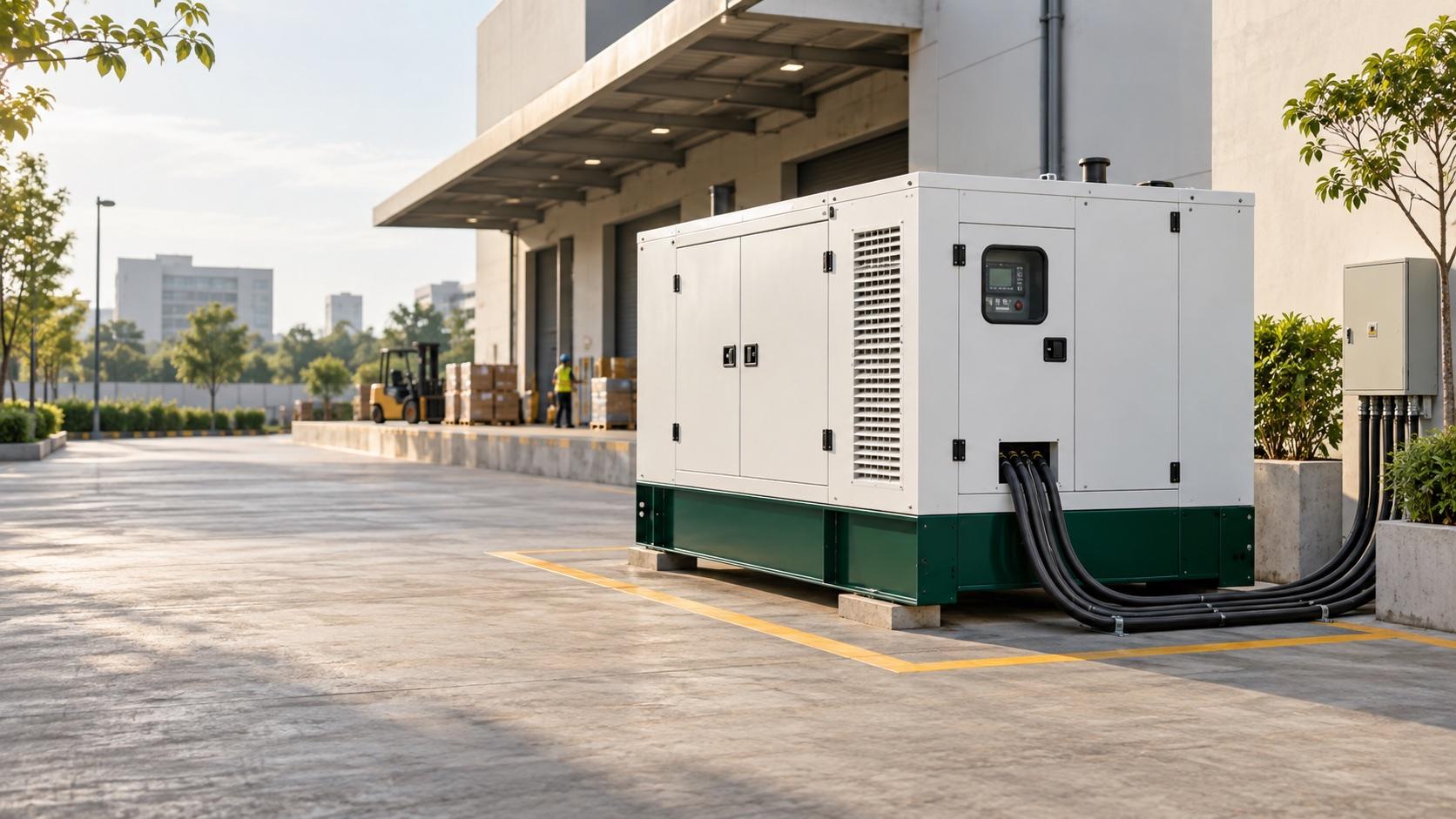
A generator needs an agreed position, a safe route for cables, suitable access for delivery and a plan for refuelling and maintenance. Tell the provider about space limits, public access, weather exposure and any periods when work cannot be interrupted. The site team should confirm electrical connection, earthing and local requirements with qualified professionals. For an event or occupied building, also agree who can start, stop and escalate a fault. These practical details can change the proposed setup even when the electrical load stays the same.
Decide who runs it after installation
The handover should identify a site contact and a rental contact. Record the planned operating hours, fuel checks, permitted load changes and the steps to take if an alarm appears. If power is critical, ask what backup response is available and how quickly a technician can reach the site. A generator that arrives on time but has no clear operating owner is still a fragile power plan. Review the arrangement when the project moves phase or a new piece of equipment is added.
Questions people ask before renting a generator
How far ahead should I book?
Share your dates as soon as the site, load and access details are reasonably clear. Lead time depends on equipment availability and the work needed to deliver and install it.
Can I change generator size during the rental?
Ask the provider what exchange or upgrade options are available before booking. A change may require a new load review, different equipment and another delivery.
Is fuel included in the quote?
Do not assume it is. Ask whether fuel, delivery and routine refuelling are included, separately priced or managed by your site team.
Who connects the generator to the site?
The proposal should identify who supplies cables and distribution equipment and who carries out electrical connection. Have qualified personnel confirm the arrangement before operation.
What happens if the generator stops?
Agree on the fault contact, response process and any available replacement plan before the rental begins. The right response depends on how much interruption the site can tolerate.
Do I need a site visit before getting a quote?
A detailed load list and site brief can start the discussion. A visit may be useful when access, cable routes, noise concerns or continuity needs are complicated.
Turn your brief into a workable rental plan
A strong generator rental decision starts with a measured load list and ends with clear ownership of delivery, operation, fuel and support. Send those details together so the provider can propose equipment and a service scope that fit the actual site. If anything changes, update the brief before the generator is dispatched.
Have your load list and site details ready? Get instant generator rental pricing from BorrowBox