Generator monitoring
Generator Run Hours: Track Them for Better Decisions
Track generator run hours accurately and use them to plan servicing, review fuel use, check rental terms and understand how the asset is used.
By BorrowBox ·
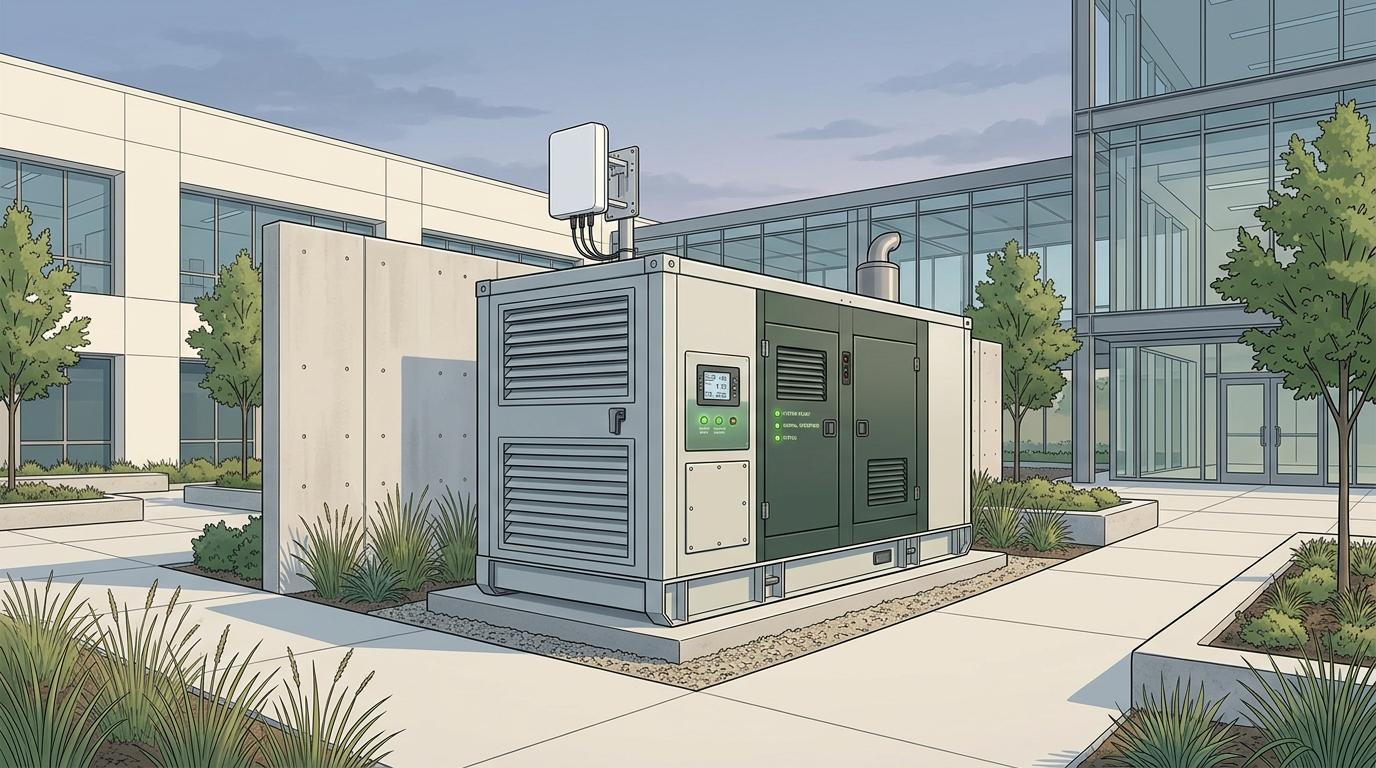
Generator run hours record how long a generator has operated. The figure feeds maintenance scheduling, fuel review, rental billing and lifecycle decisions. Yet many sites still rely on occasional manual readings. This guide explains how to capture run hours reliably and use them to support everyday decisions.
Capture generator run hours consistently
Decide where run hours will come from. The generator controller may display a running total, a monitoring system may record it remotely, or staff may take manual readings. Choose one primary source and record it.
If manual readings are used, agree when they are taken and who records them. Gaps and estimated entries should be marked so later users know how reliable the figures are.
When the controller is replaced or reset, record the reading before and after the change. Without that note the run hour history can appear to jump or restart, and later comparisons become unreliable.
Use run hours to plan servicing
Maintenance schedules are often based on run hours as well as calendar time. Share the run hour record with the maintenance provider so service visits can be planned around actual use.
Ask the provider which service activities are linked to run hours for your equipment. A reliable record helps the provider plan visits before they become overdue.
Record the run hours at each service visit on the service report. This links the maintenance history to actual use and makes it easier to see whether intervals are being followed.
Compare run hours with fuel use
Run hours provide context for fuel consumption. A large change in fuel use without a matching change in run hours or load may need investigation.
- Compare run hours with fuel deliveries and tank readings.
- Note changes in load that affect consumption.
- Investigate unexplained differences with the fuel or maintenance provider.
- Keep the comparison with the monthly fuel records.
Check rental and contract terms
Some rental and maintenance agreements refer to run hours. Check whether your agreements include any limits or charges linked to operation and make sure the record supports them.
Share accurate figures with the provider when requested. A dispute is easier to resolve when both sides refer to the same record.
Where a rented generator is returned, record the final run hours at collection along with the provider's representative. A shared reading at handover avoids later questions about the closing figure.
Use the history for lifecycle planning
Over time, run hours show how intensively the generator is used. Combined with maintenance and repair records, they help when considering overhaul, replacement or a change in rental arrangements.
Keep the run hour history with the asset record. A long, reliable history is valuable when the team needs to make a significant decision.
Compare run hours across similar generators at different sites when the organisation has more than one. Large differences in use can point to opportunities to rotate equipment or adjust rental arrangements.
Common questions about generator run hours
What are generator run hours?
They are the total time a generator has operated, displayed on the controller or recorded by a monitoring system.
Why do run hours matter?
They support maintenance scheduling, fuel review, rental billing and lifecycle planning.
Can run hours be recorded remotely?
Yes. Monitoring systems can record run hours and share them with the site and service providers.
How should manual readings be handled?
Agree when they are taken and who records them. Mark gaps or estimates so later users know how reliable the figures are.
Do rental agreements use run hours?
Some do. Check your agreement for any limits or charges linked to operation and keep accurate records.
How do run hours help with replacement decisions?
Combined with maintenance and repair history, they show how intensively the asset is used and support lifecycle decisions.
Start with a reliable record
Run hours are simple to capture and useful across maintenance, fuel and planning. Make them consistent.
Start with the readings and operating decisions your site needs to support. Discuss generator monitoring for your site