Generator maintenance
Generator Lifecycle Planning: Use the Asset History
Build generator lifecycle planning around operating history, maintenance records, unresolved repairs and the future role of the asset.
By BorrowBox ·
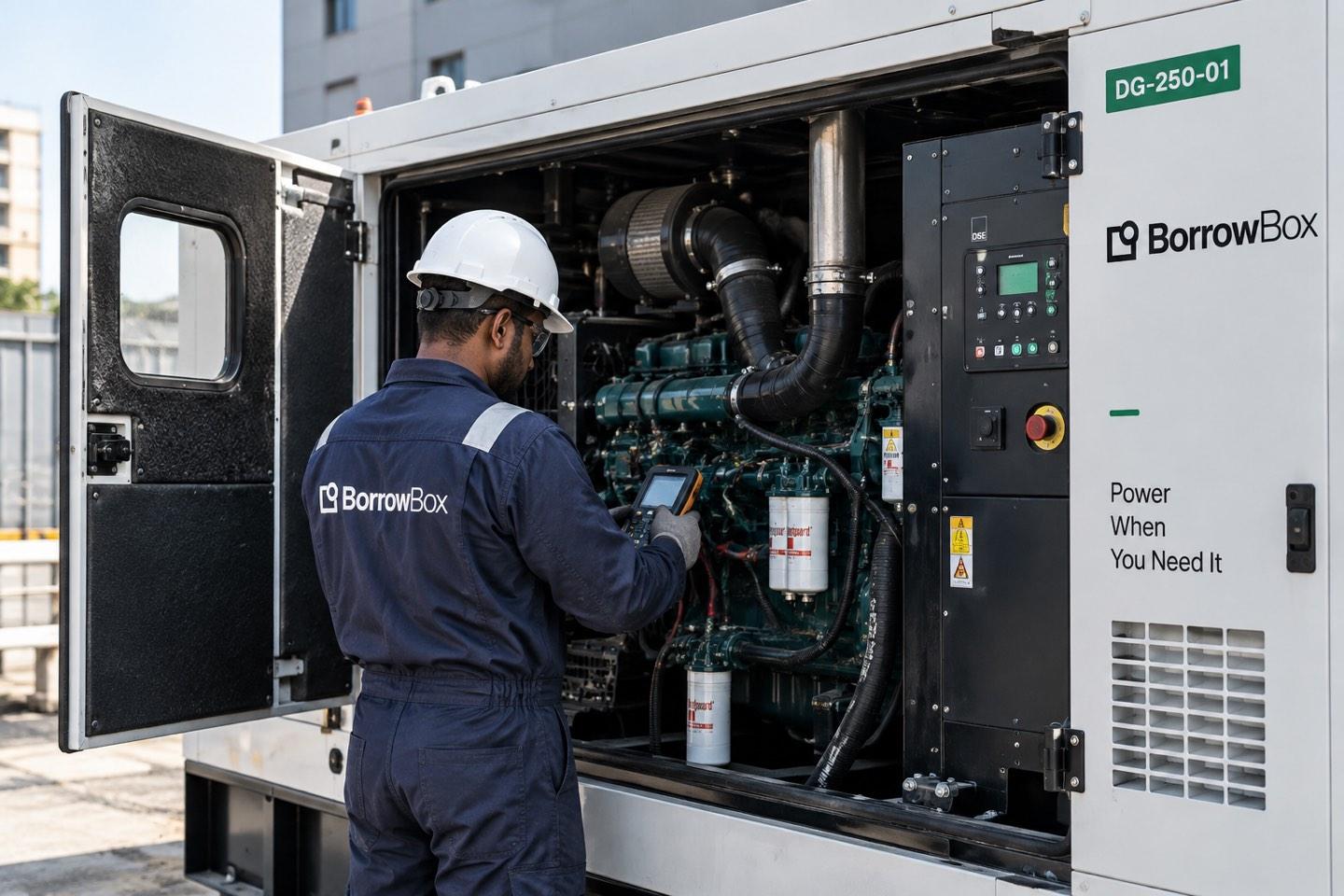
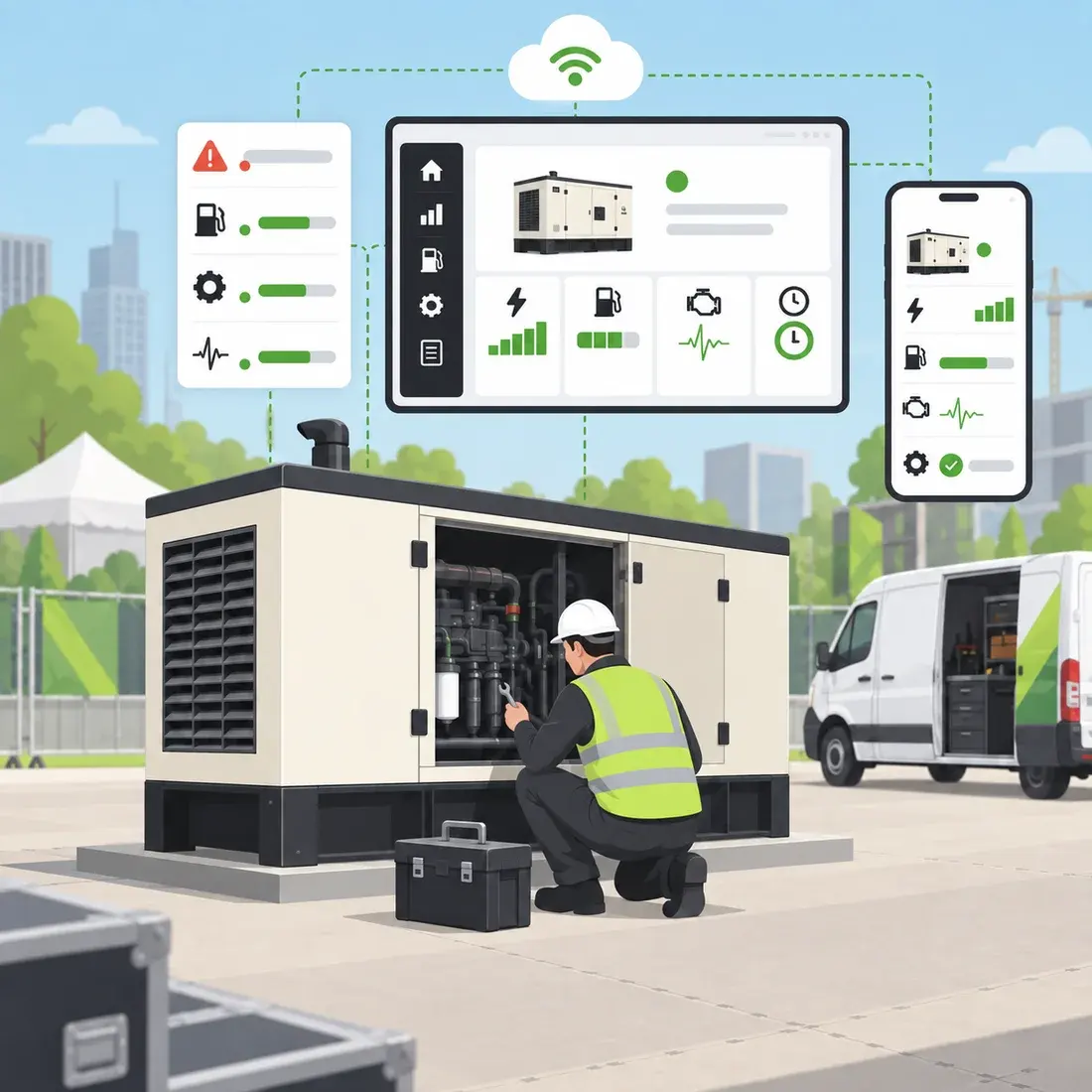
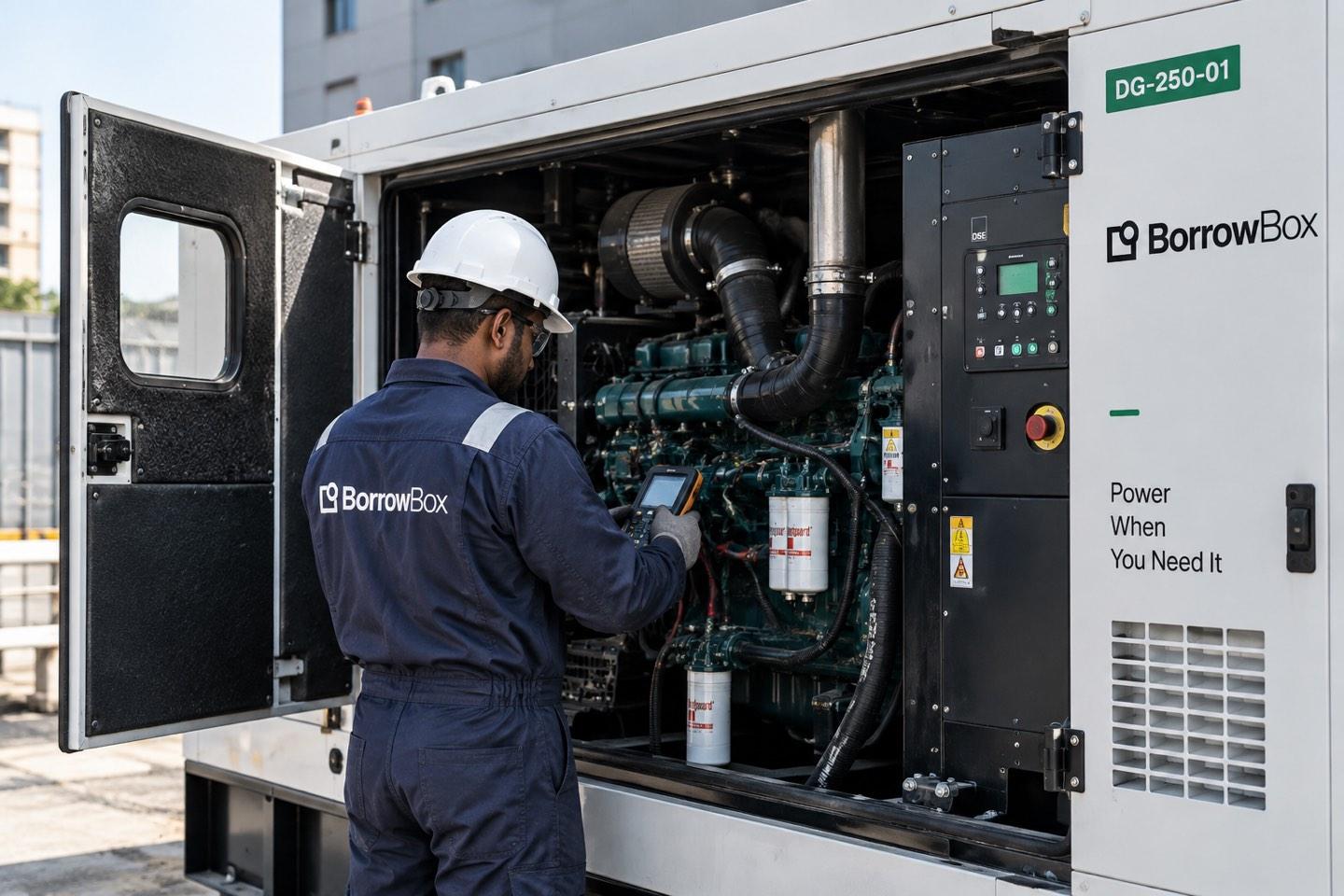
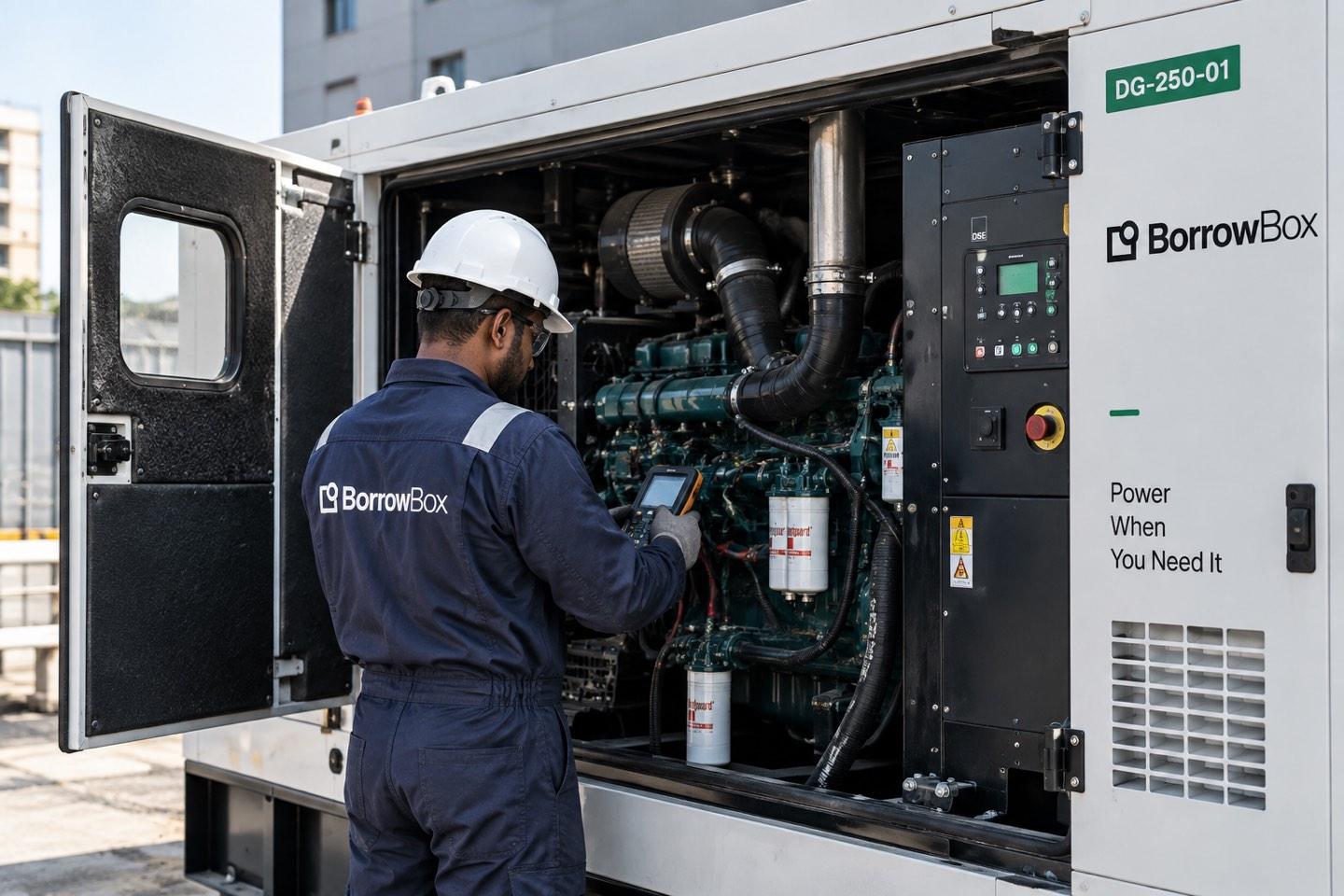
Generator lifecycle planning connects the operating and service history of an asset with decisions about its future use, maintenance and eventual replacement. A useful plan starts with reliable records and a technical assessment of the actual equipment. It does not assume a universal lifespan or promise that a particular maintenance schedule will produce a fixed financial return.
Give generator lifecycle planning a complete asset record
Bring the equipment identity, available manuals, installation information and ownership or rental history into one record. Link the generator to its current site and the activity it supports. If documentation is missing, identify the gap explicitly so that later decisions do not rely on an assumed specification or service history.
Choose a record owner who can keep the information current when equipment moves or responsibility changes. Lifecycle planning becomes difficult when the commercial team, site supervisor and maintenance provider each hold a different version of the asset's history.
Review use alongside elapsed time
The age of the equipment is useful context, but it does not describe how the asset has been used. Collect available operating hour records, changes in duty and periods in which the equipment supported a different activity. Ask the technical team how those circumstances should inform an assessment.
Keep future requirements beside the history. A generator that supported one operating pattern may be considered for another site or a different business role. The planning question is whether the assessed equipment and support arrangement match that future requirement, not simply whether the machine operated previously.
Separate completed work from open recommendations
Review service visits, repairs and inspection findings as a connected history. Distinguish work that was completed from work that was quoted, deferred or recommended for further assessment. A folder containing reports is not the same as a record showing which recommendations were resolved.
Ask for clarification when descriptions are too broad to support a decision. The responsible technical personnel should explain the finding, the proposed follow up and any limitations in their assessment. The facility team can then keep the decision and its supporting evidence attached to the asset.
Make maintenance and replacement comparable decisions
Define the business requirement before comparing options. Consider the expected operating role, available support, assessed condition, unresolved work and the implications of a change in equipment. Ask for commercial proposals that describe their assumptions and scope rather than comparing unrelated headline amounts.
Some decisions may need further information before a cost comparison is useful. If the future load requirement is uncertain, resolve that question with the appropriate team. If the condition assessment is incomplete, document what remains to be assessed before treating an estimate as a complete repair plan.
Give the lifecycle plan a review trigger
Review the plan after a material change in use, a significant service finding or a proposed move to another operating role. Record who should organise that review and which records need to be available. This makes planning a repeatable responsibility rather than a discussion that begins only when a purchase is urgent.
Retain the outcome of each review, including the decision to keep operating under the existing arrangement where that is the assessed choice. A documented decision gives the next team useful context and identifies the assumptions that should be revisited if circumstances change.
Common questions about generator lifecycle planning
Can age alone determine when a generator should be replaced?
Age is one part of the record. A replacement decision should also consider assessed condition, service history, future requirements and the support available for the intended operating role.
Does regular maintenance establish a fixed lifespan?
No single lifespan can be inferred from a generic maintenance statement. Ask the relevant technical team to assess the actual equipment and explain the limitations of its assessment.
Which records should be collected first?
Start with the asset identity, available operating records, service reports and unresolved recommendations. Note documentation gaps so they remain visible during technical and commercial discussions.
Should a repair quotation settle the replacement question?
A repair quote describes a proposed scope. Compare it with the business requirement, the equipment assessment and any alternatives on a common basis before making a lifecycle decision.
Who should own the plan?
Nominate an asset or facility owner to maintain the record. Technical assessment, commercial approval and site operations may involve different people, but their decisions need a shared reference.
When should the plan be revisited?
Use agreed triggers such as a change in duty, location or a material service finding. Keep the review outcome and the assumptions behind it in the asset history.
Plan the next decision before it becomes urgent
A clear history makes an assessment more useful. Bring current records and the expected future requirement to a maintenance planning discussion before committing to a particular equipment decision.
Bring the asset record, service history and open questions to a maintenance discussion. Discuss a generator maintenance plan