Rental
Construction Generator Rental Guide for Site Power
Learn how construction generator rental supports site power demands, equipment sizing, fuel planning, and uptime management on job sites.
By BorrowBox ·
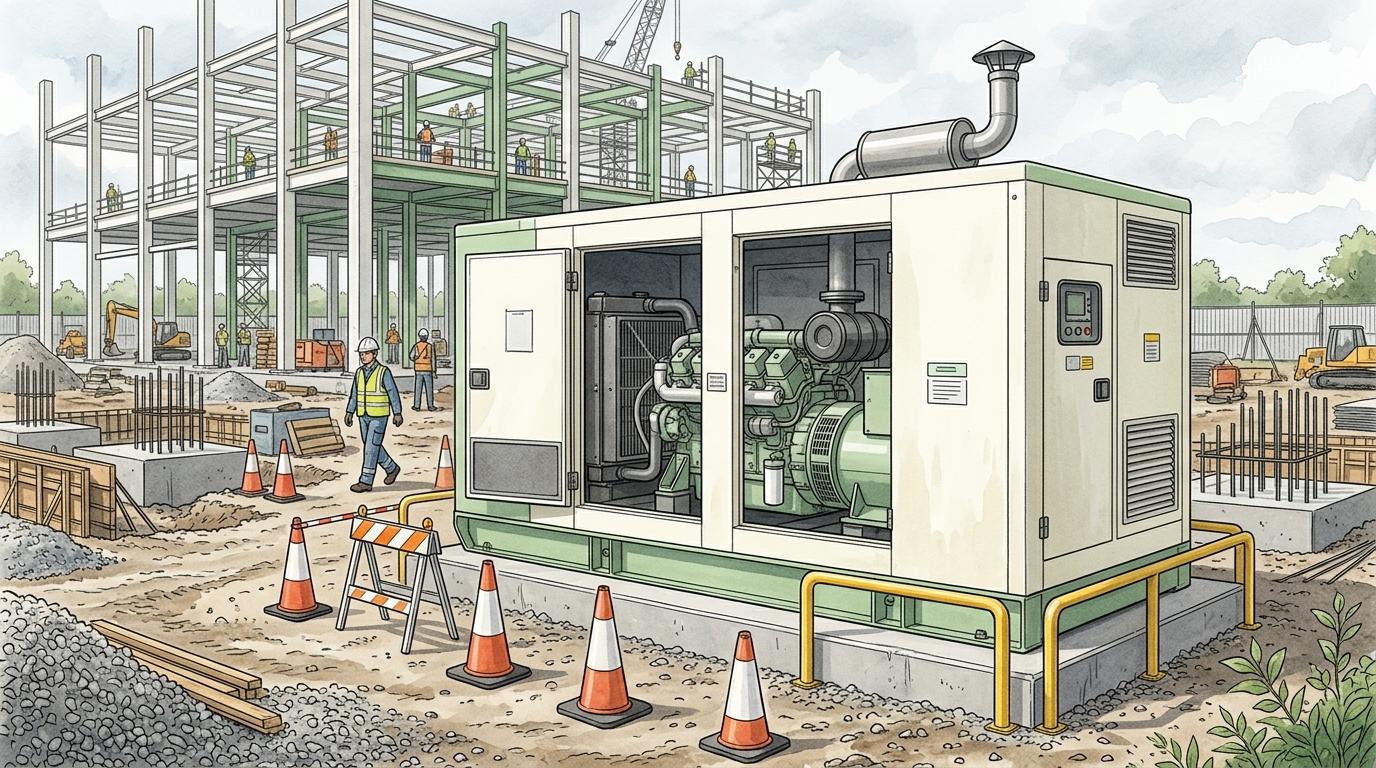
A construction generator rental provides temporary, scalable electrical power to job sites before permanent utility connections become active. Project managers rely on rented diesel generators to run tower cranes, batching plants, concrete vibrators, dewatering pumps, welding stations, and temporary site offices without waiting months for local utility sanctions. Choosing suitable temporary power helps prevent schedule delays, keeps subcontractors working productively, and adapts to shifting power demands as work moves from initial excavation through structural work to final interior fit out.
Understanding Electrical Demand Across Construction Stages
Construction projects rarely consume power at a steady rate throughout their lifecycle. Electrical demand fluctuates substantially across different stages of construction. During the initial excavation and substructure phase, power requirements focus primarily on perimeter floodlighting, security cabins, dewatering pumps, and soil piling rigs. These loads often run on variable schedules, particularly during wet months when submersible dewatering pumps may need to operate round the clock to keep work trenches dry.
As the project enters the core structural civil work stage, electrical loads rise considerably. Tower cranes, passenger hoists, concrete batching plants, rebar bending machines, and continuous welding activities introduce significant inductive loads. Once the primary structure reaches completion and interior finishing commences, heavy machinery power tapers off. It is replaced by steady distributed loads for portable hand tools, temporary passenger lifts, floor polishers, paint sprayers, and site office cooling equipment.
Calculating KVA Sizing for Motor Surge and Dynamic Loads
Selecting generator capacity for construction demands close attention to electric motor starting characteristics. Core machinery such as tower cranes, hoists, and compressors draw starting currents three to six times their steady running amperage. If a generator is sized only against continuous running kilowatts, large motor starts can trigger sharp voltage drops, tripping circuit protection devices or causing electronic controllers to fail.
Project planners evaluate the diversity factor of the job site, which measures how many tools run simultaneously. While not every welding rig or pump starts at the exact same moment, primary machines overlap frequently during busy shifts. Renting two synchronized medium capacity units rather than one massive generator can often balance fluctuating demands. This setup permits running a single unit during low demand evening shifts while engaging both machines during peak daytime operations.
Engineers also look at power factor ratings across the site equipment mix. Highly inductive machinery, such as underloaded electric motors and older welding sets, can depress overall system power factor. Factoring these inductive loads into initial calculations avoids unexpected overload trips when multiple subcontractors begin work at once.
Evaluating Generator Deployment Types for Job Sites
Every job site features distinct physical layouts, accessibility limits, and mobility needs. Choosing the right physical configuration for rental generators impacts ground transport, civil preparation, and how easily equipment moves across project phases.
| Deployment Type | Best Site Application | Mobility Level | Operational Considerations |
|---|---|---|---|
| Stationary Skid Mounted | Central site power, tower cranes, main distribution panels | Fixed placement requiring crane lifting or flatbed transport | Demands a level pad, earthing pits, and perimeter barricades |
| Mobile Trailer Mounted | Linear infrastructure, road development, pipeline trenching | High mobility with standard vehicle towing between active fronts | Enables swift repositioning but requires secure parking zones |
| Twin Synchronized Units | Major commercial builds, critical continuous pours | Moderate mobility with modular transport footprints | Supports load sharing, partial load fuel savings, and operational redundancy |
Equipment Placement and Site Mobility Considerations
Placing a rental generator on an active construction site requires careful physical positioning. The installation spot must sit on firm, elevated ground away from natural rainwater collection zones, slurry runoffs, and active transit paths for heavy vehicles. Poor placement can result in foundation settling or accidental equipment impact from reversing trucks and earthmoving machinery.
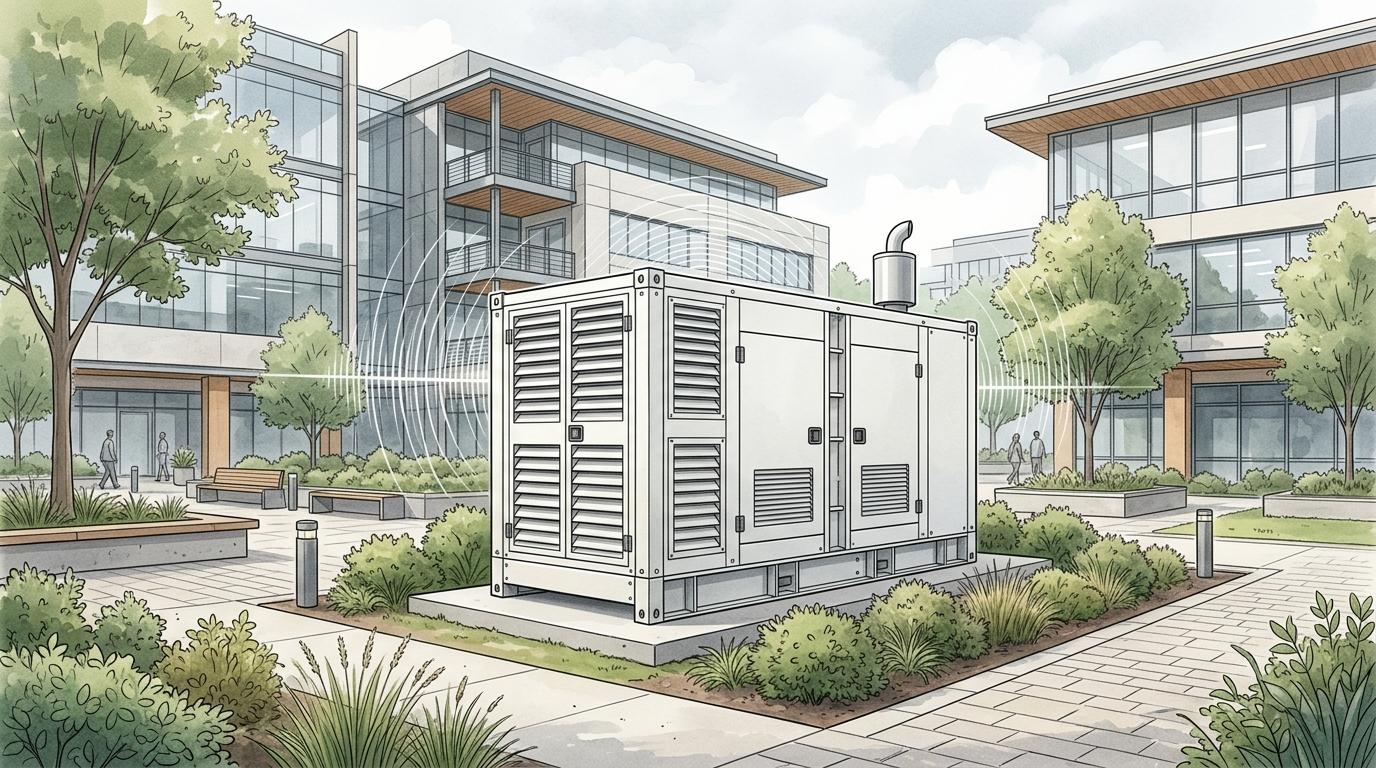
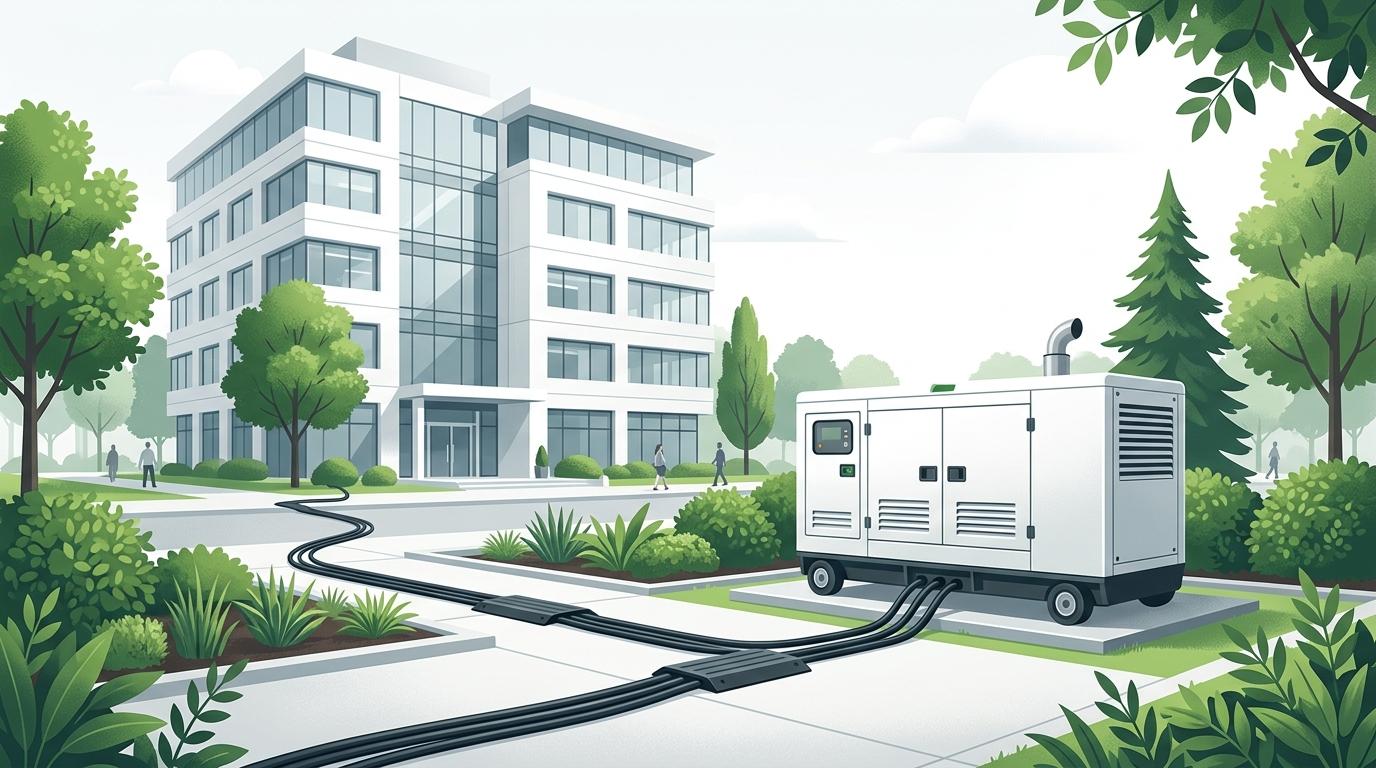
Proximity to the primary distribution panel matters because long low voltage cable runs introduce electrical resistance and voltage drops. At the same time, exhaust fumes and engine noise mean generators should not sit right next to site office windows or worker rest areas. Project engineers can ask suppliers whether acoustic canopy models are available to mitigate sound impacts, while keeping sufficient open clearance around the radiator to allow adequate cooling airflow.
Fuel Logistics and Daily Operational Planning
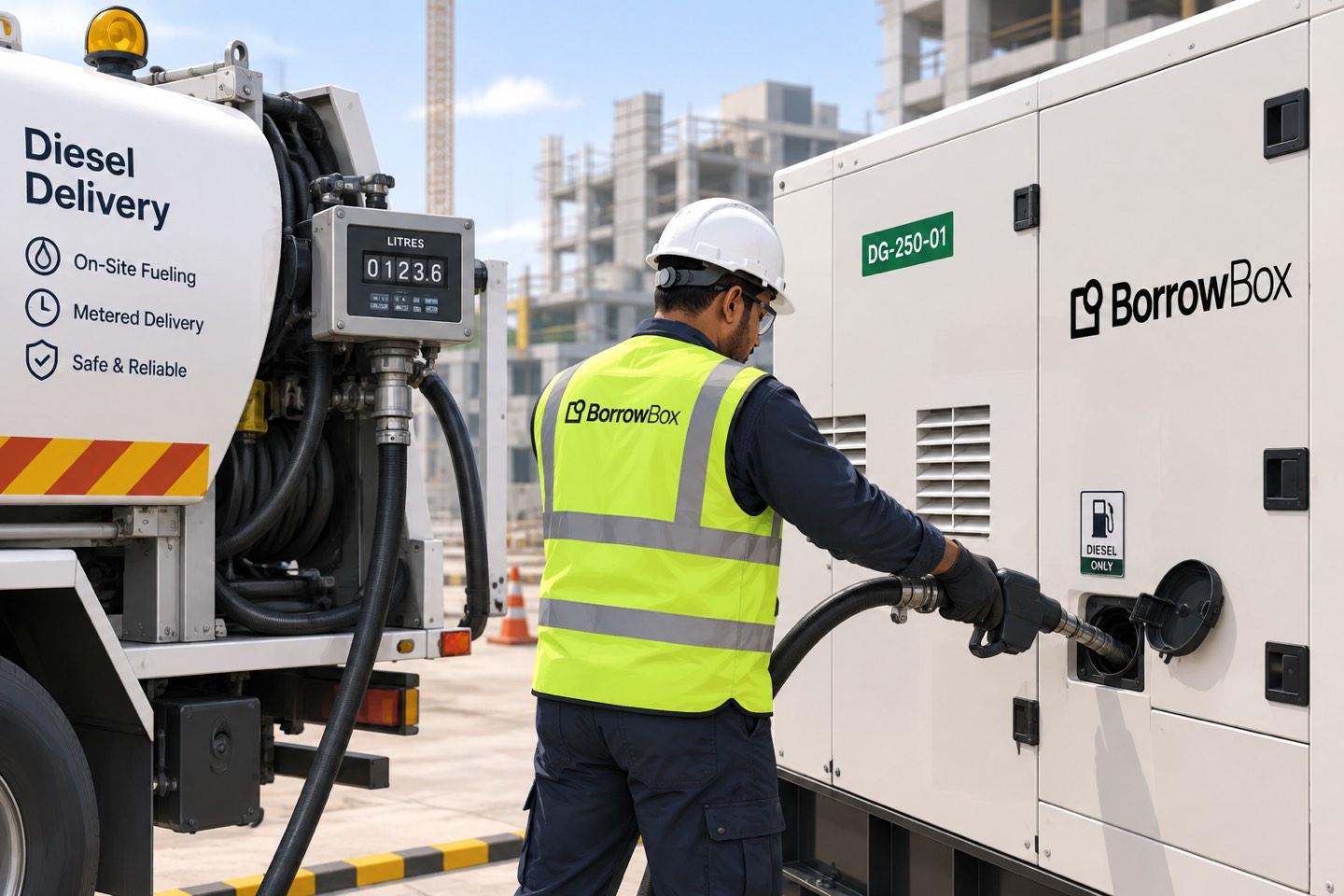
A generator is only as dependable as its fuel supply line. Running out of diesel during a continuous concrete pour can disrupt structural placement, causing expensive rework. Site supervisors must establish a clear strategy for fuel handling, whether through localized container transfers, approved on site storage tanks, or scheduled bulk delivery tankers.
- Estimate actual hourly fuel burn based on realistic average load percentages rather than theoretical full load ratings.
- Establish dedicated access corridors so external fuel transport vehicles can reach machines without interrupting daily material handling.
- Implement fuel level tracking practices to help identify potential leakage, unexpected burn spikes, or unrecorded fuel loss.
- Check fuel filters and water separators regularly, as airborne construction dust and moisture can foul fuel injection systems.
Protecting Uptime and Managing Service Expectations
Equipment uptime on construction projects relies on steady daily care and clear contractual understanding with equipment vendors. Fine construction dust clogs air intake filters quickly, leading to poor combustion, excessive smoke, and engine derating. Project teams should verify whether the generator rental package includes routine servicing, air filter changes, and emergency mechanic support.
Operators should record oil pressure, coolant temperature, operating run hours, and output voltage at every shift change. Establishing clear communication protocols with the rental provider confirms who handles minor wear parts, response timeframes during unexpected faults, and the process for sourcing replacement equipment if major mechanical issues arise.
Frequently Asked Questions About Construction Site Power
How do engineers calculate generator sizing for a mixed construction load?
Engineers calculate the steady running wattage of all connected tools, apply diversity factors to reflect typical concurrent usage, and add the peak starting surge of the largest electric motor to establish necessary KVA capacity.
Can one generator power heavy machinery and site office cabins together?
Yes, but heavy machinery can cause sudden voltage fluctuations that may disturb sensitive office computers or inverter air conditioners. Installing separate distribution boards with surge protection helps isolate office circuits.
When is a trailer mounted generator preferable to a stationary skid unit?
Trailer mounted units suit linear civil projects such as highways, pipe laying corridors, and rail lines where the primary work front moves along the project alignment multiple times each week.
Who handles diesel refueling on a typical equipment rental project?
Refueling duties depend on agreed contract terms. Many commercial rentals operate on a dry hire arrangement where the client procures fuel, whereas full service options may include scheduled fuel delivery.
How does high ambient summer heat influence generator performance?
High ambient temperatures thin the intake air and place greater strain on engine cooling systems, causing output derating. Capacity calculations during peak summer months should account for these ambient temperature margins.
What paperwork should contractors confirm before equipment mobilizes to site?
Site management teams generally check equipment registration documents, test run records, maintenance logs, road transport permits, and gate entry passes before machines are allowed onto the property.
Speak with our team to evaluate generator capacity and delivery options for your job site. Request Construction Generator Rental Support