Rental
Silent Generator Rental Guide for Business Sites
Evaluate silent generator rental choices for commercial sites, noise considerations, acoustic enclosures, and provider terms to secure quiet power.
By BorrowBox ·
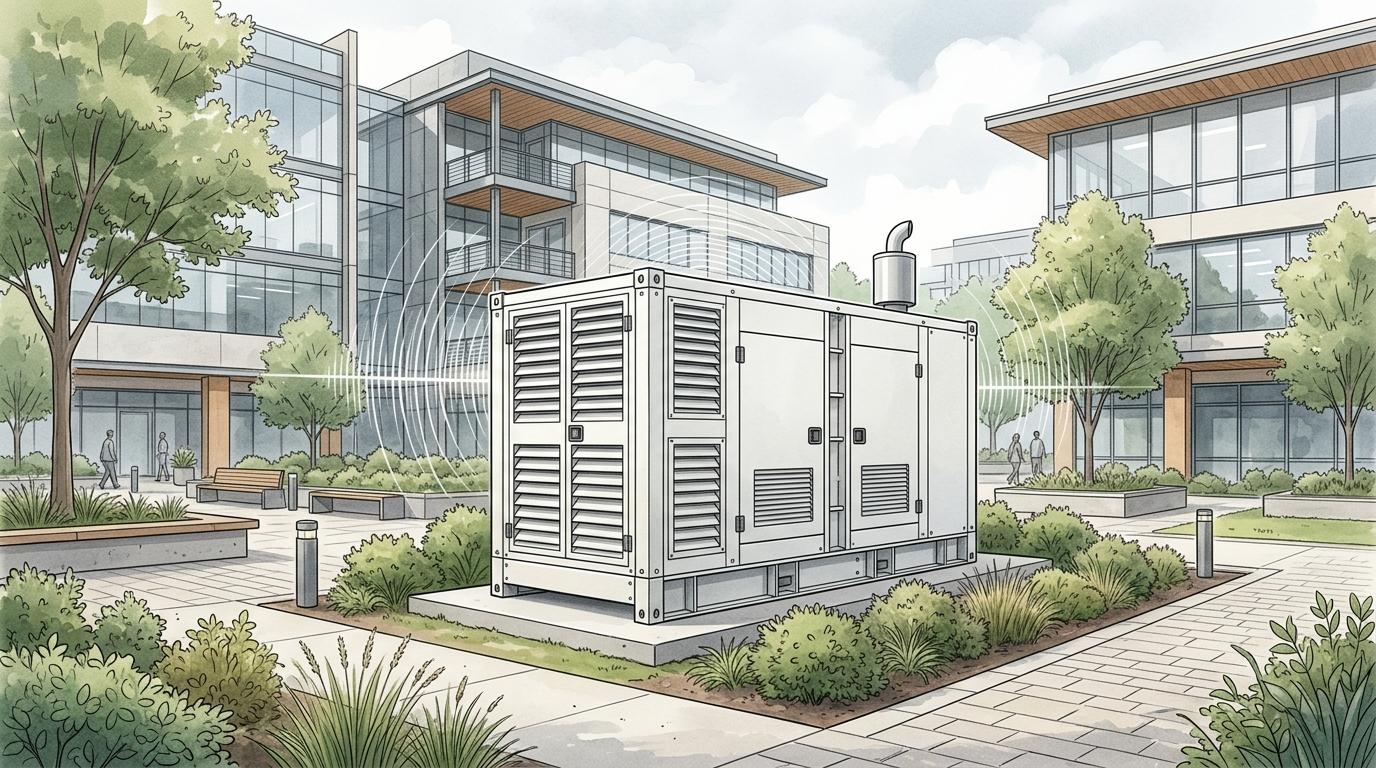
A silent generator rental supplies temporary electrical power while keeping operating sound within acceptable levels for commercial operations, public events, and urban facilities. When an office park, medical clinic, educational institute, or outdoor film shoot requires reliable backup electricity, an unshielded engine can cause immediate disruption. Choosing acoustic sound dampened equipment helps site managers balance operational energy demands against local neighborhood comfort and employee productivity.
Industrial engines generate noise through multiple paths at the same time. The internal combustion cycle produces mechanical vibrations across the block, combustion pulses through the exhaust manifold, and high velocity turbulence around cooling fans. Acoustic generator designs address these exact transmission channels to lower sound pressure at practical working distances.
How Acoustic Enclosures Muffle Operating Noise
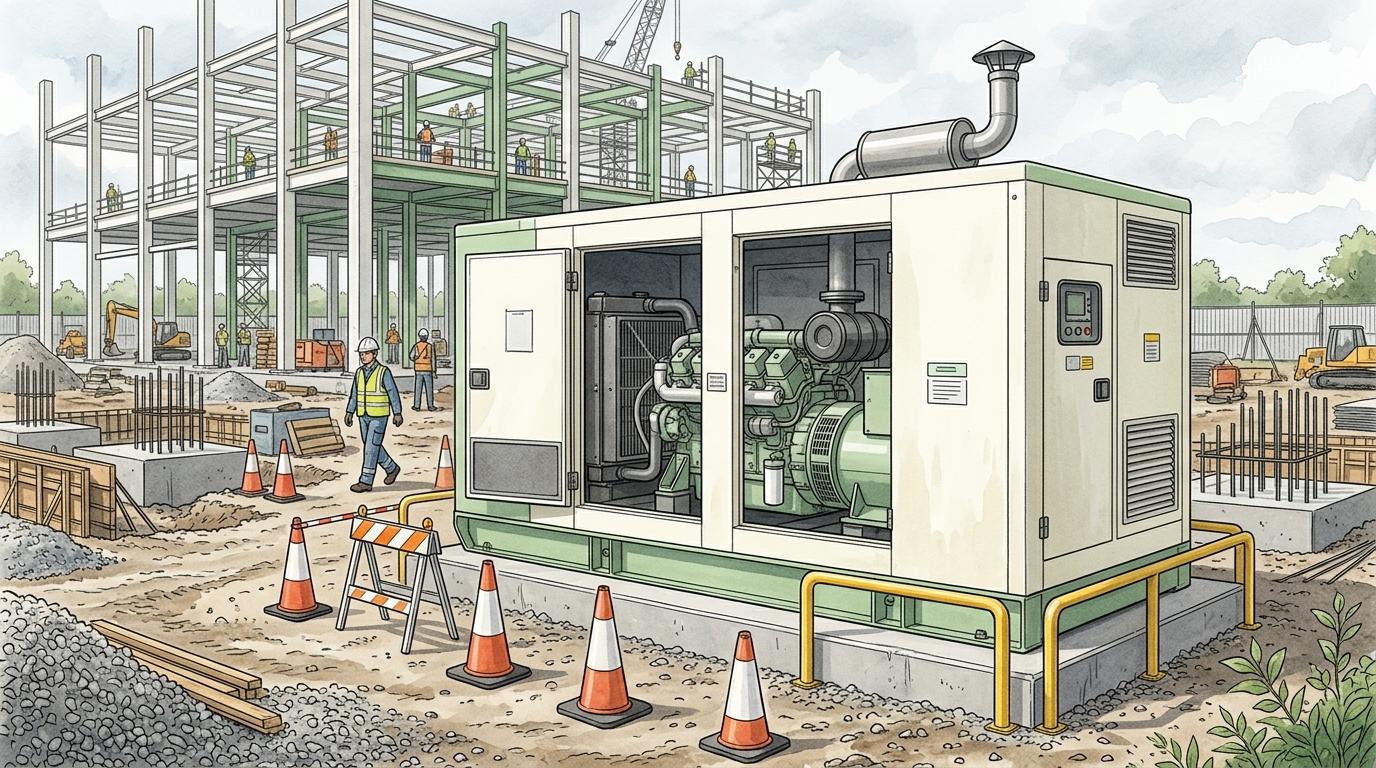
Standard open frame diesel generators operate with fully exposed mechanical components, allowing mechanical chatter and combustion clatter to radiate freely in every direction. In contrast, silent generators surround the engine and alternator assembly inside a specialized canopy built from rigid steel or composite panels.
Inside this shell, manufacturers install layers of dense sound absorbing materials such as mineral wool, acoustic foam, or perforated baffles. These internal linings capture sound energy and convert acoustic waves into trace amounts of thermal energy before sound escapes the cabinet. Specially configured air intake and discharge pathways force cooling air through tortuous paths called sound labyrinths. These curved passages let vital ventilation air circulate while trapping higher frequency audio reflections inside the enclosure.
Exhaust silencing forms another critical line of defense. Standard industrial mufflers offer basic dampening, whereas acoustic rental units typically feature critical grade or residential grade silencers installed within the enclosure. Combined with heavy duty elastomeric vibration mounts that decouple the vibrating engine frame from the steel skid base, these design elements prevent structural hum from transferring into concrete floors or surrounding ground.
Comparing Generator Types by Sound Profile
Rental providers offer distinct equipment tiers depending on the acoustic sensitivity of your location. Evaluating these categories helps site managers match power requirements to realistic environmental expectations.
| Equipment Class | Acoustic Features | Typical Operating Environment | Site Planning Factor |
|---|---|---|---|
| Open Frame Unit | Bare engine skid with standard industrial exhaust silencer | Remote infrastructure sites, isolated quarries, and unpopulated earthwork zones | Requires substantial perimeter clearance from workers and neighboring properties |
| Standard Silent Unit | Weather canopy with single layer acoustic foam and internal silencer | Commercial plazas, suburban warehouses, and active retail establishments | Effective for general daytime operations in ordinary commercial corridors |
| Super Silent Unit | Double walled insulated canopy, labyrinth baffles, and multi stage silencer | Broadcasting sets, outdoor weddings, hospital campuses, and residential borders | Requires larger footprint space to accommodate extensive acoustic intake chambers |
Ideal Applications for Silent Power Sets
Commercial districts across Indian cities often sit in close proximity to residential colonies, boutique hotels, and educational centers. Running continuous backup power in these shared zones requires thoughtful sound management.
Event management firms and entertainment productions represent one prominent application. Outdoor banquet lawns, cultural festivals, and broadcast media locations require dependable continuous wattage for high draw soundboards, broadcast trucks, and video walls. Loud mechanical engine rattle bleeding into delicate microphones or VIP seating zones can disrupt the entire production.
Healthcare facilities including diagnostic imaging centers, private clinics, and veterinary hospitals also prioritize silent equipment. Recovering patients and sensitive diagnostic equipment benefit from reduced acoustic stress during grid interruptions. Urban corporate offices, coworking spaces, and call centers similarly deploy silenced machinery to keep telephone calls and meetings productive when local utility feeds fail.
Site Planning Checklist for Quiet Placement
Even an advanced acoustic canopy can sound louder than expected if placed carelessly on site. Sound waves reflect off rigid masonry, glass facades, and metal boundary fencing. Following a practical placement checklist helps avoid unexpected sound amplification.
- Measure distance between the designated generator pad and occupied work areas or client gathering spaces.
- Check for reflective vertical walls that could redirect engine exhaust hum straight toward office windows.
- Maintain clear space around intake and exhaust louvers so cooling airflow moves freely without turbulence.
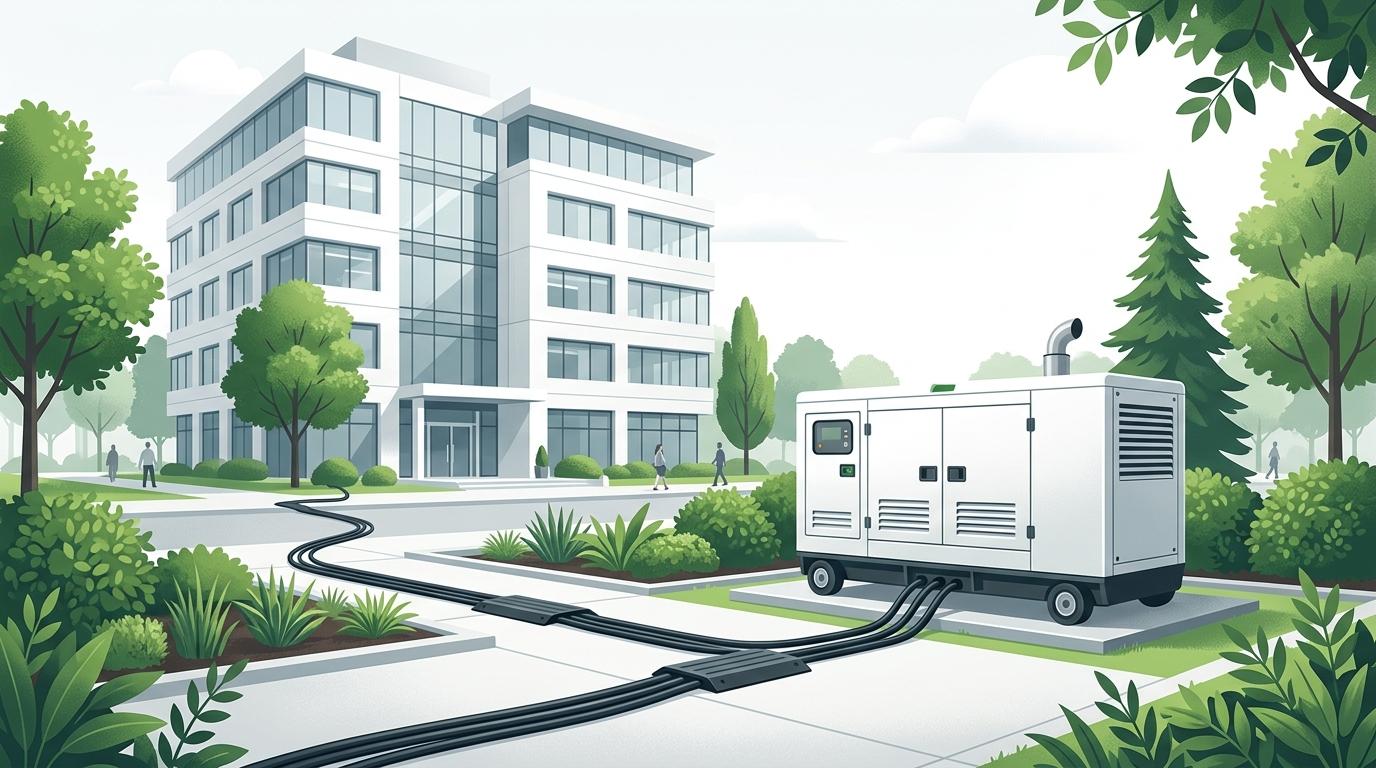
- Plan cable routing carefully so the machine can sit farther away without causing problematic voltage drops.
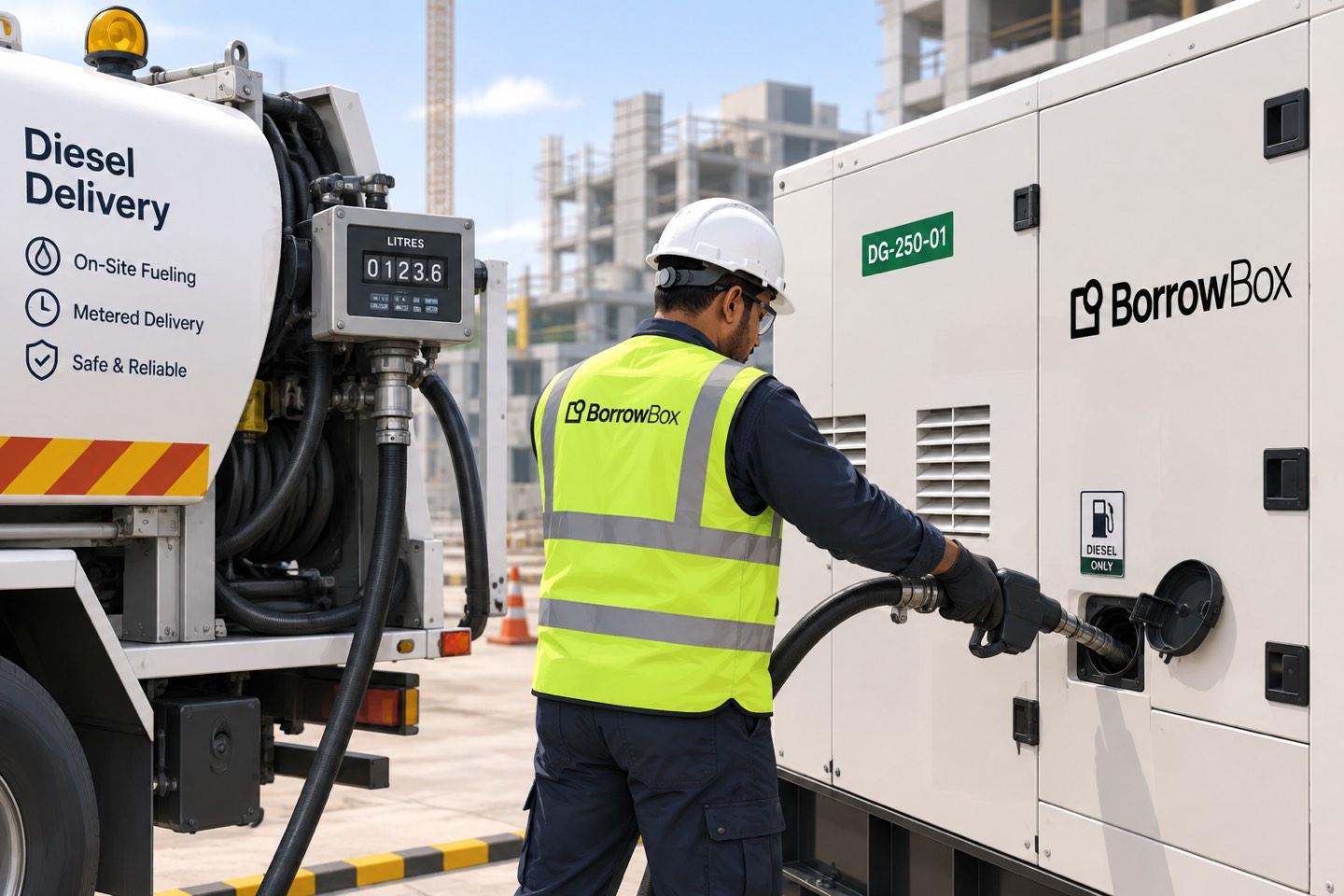
- Verify unhindered access routes for fuel delivery trucks and maintenance technicians during scheduled service visits.
Provider Terms and Inspection Points to Clarify
Rental fleet conditions vary widely across different suppliers. A machine that left the factory with excellent acoustic dampening may perform poorly if its maintenance history has been neglected over several rental cycles.
Inspect the condition of door seals and latches before accepting delivery. Degraded rubber gaskets, bent access doors, or loose access panels allow sound energy to escape directly into the surrounding environment. Confirm with your rental partner whether they perform regular vibration mount checks and exhaust system inspections between deployments.
Inquire about expected sound pressure levels under full electrical load at standardized reference distances such as one meter and seven meters. Clarify who handles on site maintenance support if a mechanical issue arises, and confirm terms regarding scheduled fuel replenishment during critical business events.
Frequently Asked Questions About Silent Generators
Is a silent generator completely quiet during operation?
No fuel powered engine is completely silent. Acoustic enclosures reduce sound pressure to manageable conversational levels, but mechanical movement and radiator fan airflow remain audible nearby.
What distinguishes silent units from super silent options?
Standard silent generators feature single shell weather canopies with basic dampening, whereas super silent units use thicker double skinned walls, specialized air baffles, and advanced multi stage silencers.
Can an acoustic canopy lead to engine overheating?
Enclosures incorporate dedicated intake and discharge louvers to move hot air away. However, operators must maintain open clearance around vents to prevent warm air from recirculating into the engine.
Can a silent generator be operated inside an enclosed room?
Indoor operation requires dedicated exterior exhaust ducting and fresh air ventilation because engine exhaust contains toxic gases that cannot be allowed to build up in occupied buildings.
Does an acoustic enclosure change engine fuel consumption?
The enclosure shell does not change the core thermal efficiency of the engine, though high volume cooling fans designed for sound baffled compartments draw minor auxiliary engine power.
How does placement distance influence observed noise levels?
Sound pressure decreases naturally as distance increases across open ground. Positioning the machine behind natural earth berms or solid barriers can further block direct acoustic paths toward work areas.
Contact our equipment specialists to evaluate sound requirements and review your temporary power options. Request a generator rental quote