Rent
DG Set Rental Guide for Indian Commercial Sites
Learn how dg set rental works for commercial operations in India, including capacity terms, cost components, site setup, and vendor evaluation criteria.
By BorrowBox ·
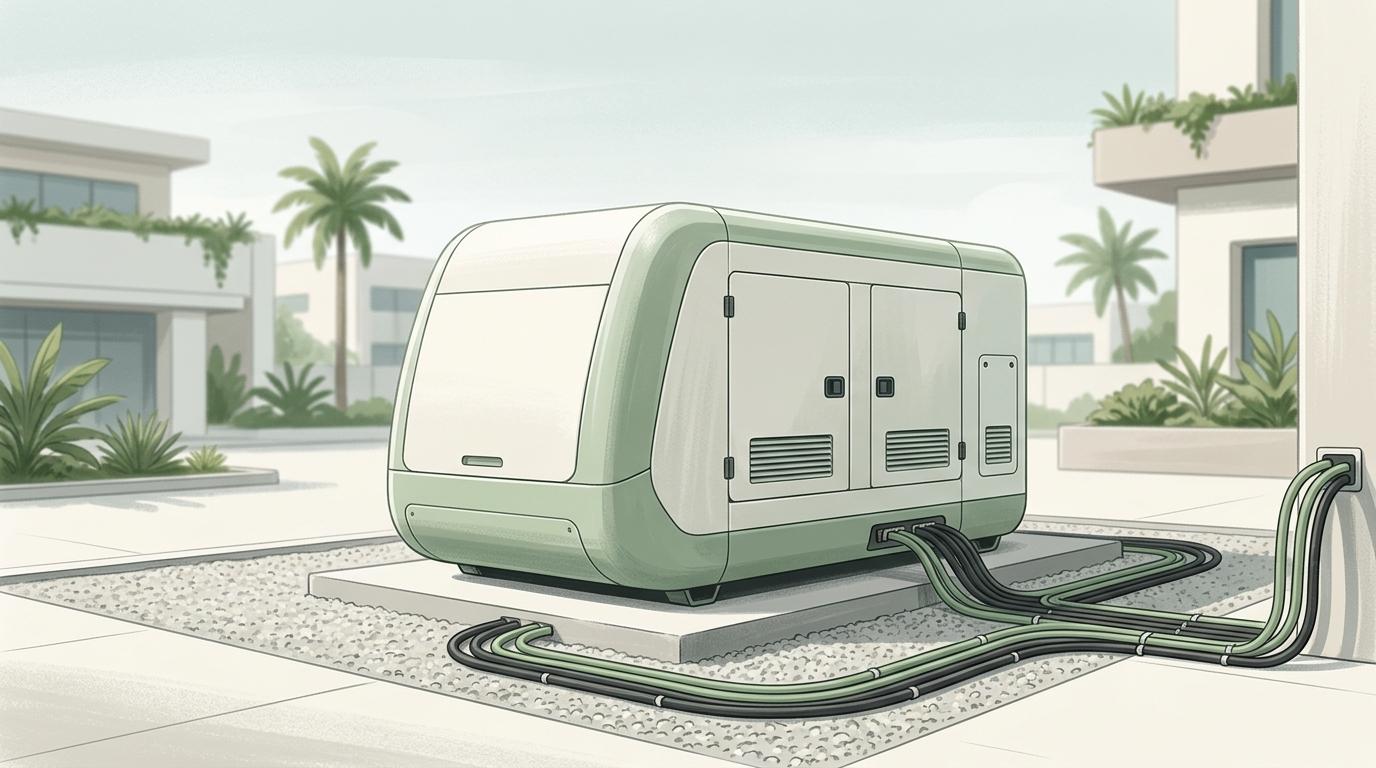
Arranging a dg set rental provides commercial facilities, manufacturing plants, infrastructure builders, and event organizers across India with temporary electrical power without capital expenditure. Renting a diesel generator set bridges grid interruptions, supplies power during peak seasonal production runs, or energizes projects before permanent electrical connections become active. Getting the right arrangement involves matching electrical capacities to operational demands, evaluating rental contract terms, preparing the physical installation location, and establishing clear responsibilities with the equipment provider.
Common Rating Terminology for Generator Hire
Reviewing technical terminology prevents misunderstandings regarding generator performance. Equipment suppliers and electrical engineers classify diesel generator sets based on duty cycles and load profiles. Evaluating these terms carefully prevents selecting an undersized unit or experiencing unexpected performance drops during high demand cycles.
- kVA and kW: In India, diesel generators are rated in kilovolt amperes, known as kVA. This represents apparent electrical power. Real power, measured in kilowatts or kW, accounts for the operational power factor of connected equipment. Understanding both metrics helps match generator output to inductive equipment such as water pumps, chillers, and industrial electric motors.
- Prime Running Power: Prime rated generators function as the primary power source for variable load applications over unlimited annual hours. These machines suit remote construction jobs, quarrying operations, and off grid facilities where local utility power is absent or inconsistent.
- Standby Emergency Power: Standby units provide backup electrical supply during utility outages. These units are intended for emergency situations and variable loads, meaning they should not run continuously at maximum capacity without risking mechanical strain.
- Continuous Base Power: Continuous power machines deliver steady, unvarying electrical output for continuous industrial loads without load cycling. They are typically specified for dedicated utility baseload support or specific continuous process manufacturing environments.
Key Commercial Applications Across India
Commercial and industrial operations deploy temporary power across distinct phases of their project lifecycles. Infrastructure developments depend on rented generation to operate site lighting, concrete batching equipment, tower cranes, and site accommodation blocks while waiting for local distribution utilities to install permanent transformers.
Manufacturing facilities frequently deploy supplementary generation during summer periods when utility grid reliability fluctuates, or when scheduled electrical substation shutdowns occur for maintenance. Commercial office towers, data facilities, and healthcare campuses use rented units to maintain power redundancy while permanent plant machinery undergoes scheduled overhauls or capacity replacements. Public events, outdoor exhibitions, and sporting tournaments also hire sound attenuated units to provide quiet power near broadcast trucks, stages, and hospitality areas.
Evaluating Rental Pricing and Contract Structures
Rental quotations contain several cost components beyond the baseline monthly hiring charge. Comparing multiple proposals requires reviewing the complete commercial scope, including transport, technical staffing, and routine maintenance consumables, to avoid unplanned project expenditure.
| Contract Component | Pricing Scope | Operational Function | Items to Clarify |
|---|---|---|---|
| Base Equipment Hire | Fixed rate per month or agreed shift structure | Establishes primary access to the generator hardware | Monthly operating hour limits and overtime calculation terms |
| Mobilization and Demobilization | Logistics, freight, and crane offloading expenses | Covers delivery to the work site and final return transport | Whether crane offloading is included or handled by the customer |
| Maintenance and Consumables | Engine lubrication oil, coolant, and filter replacements | Determines servicing frequency during extended project runtimes | Whether periodic oil changes and filters are bundled in base rates |
| Operating Crew Deployment | Monthly technician or operator allocation charge | Supplies dedicated personnel for daily checks and switching | Shift hours, accommodation provisions, and technical qualifications |
| Electrical Distribution Hardware | Cables, distribution boards, and changeover switches | Transfers power from alternator terminals to facility switchboards | Cable run length, terminal sizing, and earth leakage protective devices |
Site Preparation and Installation Requirements
Preparing the physical installation point ahead of equipment arrival prevents delivery delays and protects the machinery during operation. The generator set must sit on firm, level ground or a reinforced concrete plinth capable of supporting the full operating weight along with a full fuel tank. Uneven footing can cause frame distortion, excessive vibration, and cooling fan misalignment.
Ventilation clearances are equally critical for reliable operation. The radiator discharge side requires unobstructed space to exhaust hot air away from the engine compartment, while air intake louvers need clean airflow free from dust or exhaust recirculation. Site engineers must also arrange dedicated earth pits to establish proper neutral and body grounding before energizing connected equipment.
Selecting a Reliable Equipment Provider
Choosing a generator rental partner involves evaluating operational capabilities rather than just verifying machine availability. Commercial teams should investigate fleet maintenance routines, emergency dispatch protocols, and acoustic canopy specifications to confirm the partner fits operational needs.
- Review historical service logs and verify the running hours recorded on the digital controller.
- Check acoustic canopy condition to confirm noise reduction suits local surroundings.
- Confirm local availability of critical spare parts such as fan belts, sensors, and fuel filters.
- Clarify emergency response protocols and turnaround expectations for mechanical faults.
- Inquire about remote monitoring systems that display fuel levels, load balance, and battery voltage.
Frequently Asked Questions About DG Set Rental
How do businesses determine the right generator capacity?
Capacity sizing involves calculating the continuous running wattage of all connected electrical equipment and adding the higher starting inrush currents drawn by electric motors or compressors. Rental specialists assess connected single phase and three phase loads to recommend a rating that operates comfortably within standard load ranges.
Who handles fuel procurement during the hire period?
Fuel procurement is usually arranged directly by the customer, though some equipment providers offer optional fuel replenishment arrangements. Regardless of who arranges fuel deliveries, using clean, sediment free high speed diesel protects fuel injection pumps and prevents unexpected shutdowns.
What steps occur if a rental unit encounters a mechanical fault?
Professional hire agreements define escalation steps for technical support. Field service technicians are dispatched to troubleshoot and repair issues on site. If an unexpected engine or alternator failure cannot be resolved quickly, the provider agreement should specify terms for unit replacement.
Can a rental agreement adjust if site power requirements increase?
Most rental providers accommodate capacity changes if suitable alternative machines exist in their fleet. Adjusting unit capacity requires settling transport costs for swapping machines, reconnecting power distribution cables, and updating monthly rental fees according to the new kVA bracket.
Are dedicated operators included with the generator?
Operators can be included as an optional service or excluded if your facility employs trained electrical technicians. Having a dedicated operator provides continuous monitoring of fluid levels, battery health, and load balance throughout operating shifts.
How are operating hours tracked for billing purposes?
Operating hours are tracked using the digital or mechanical hour meter fitted directly to the engine control panel. Rental contracts typically designate an agreed monthly operational allowance based on planned shifts, with additional running hours billed at an agreed hourly rate.
Request a customized equipment rental proposal for your commercial site. Request a Quote