Rent
Generator Rental Fuel Consumption Guide
Learn how load levels affect generator rental fuel consumption and how to budget diesel running costs accurately for Indian commercial projects.
By BorrowBox ·
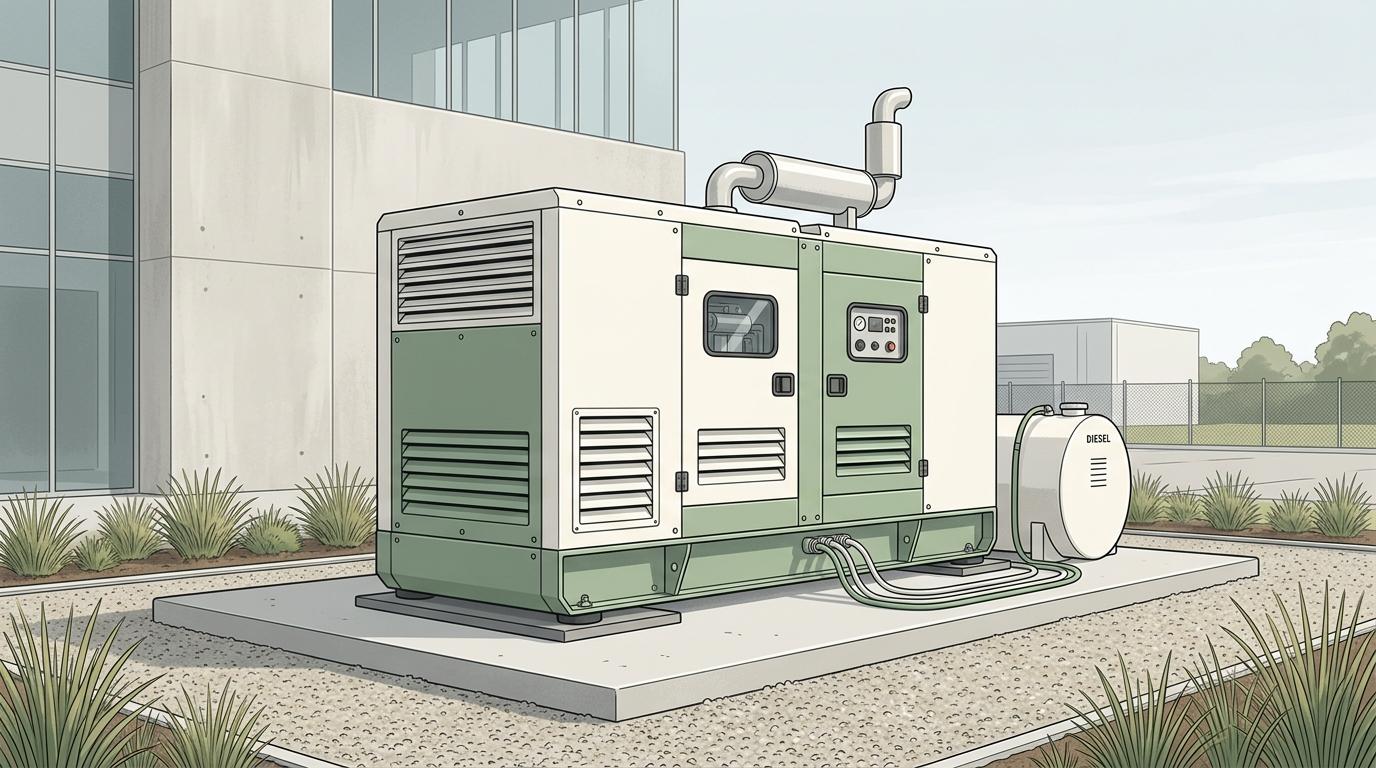
Planning diesel expenses for a generator rental requires understanding that fuel burn is never a fixed number. Fuel consumption varies directly with electrical load, engine condition, ambient temperatures, and daily operating hours. A diesel generator running at half capacity consumes noticeably less fuel per hour than one operating near full capacity, yet running well below normal operating thresholds can cause inefficient combustion and engine carbon buildup. To plan finances accurately, operations managers must project realistic electrical load profiles rather than assuming continuous nameplate power, allowing accurate estimates of daily fuel deliveries and overall site power costs.
How Electrical Load Dictates Diesel Burn Rates
Every diesel engine operates along an internal fuel curve. When an alternator produces electricity, mechanical resistance on the engine increases as connected site machinery draws more current. The mechanical or electronic governor injects additional diesel into the combustion chambers to maintain a steady engine speed, usually fifteen hundred revolutions per minute for standard commercial generators in India. Consequently, a machine with little connected load burns baseline diesel simply to turn internal moving components, while higher demand requires proportional increases in fuel volume.
Because idle running uses fuel without delivering substantial electrical work, running an oversized machine at very low capacity yields poor operational economy per unit of electricity produced. Conversely, operating a properly matched machine across moderate to high operating ranges produces thorough fuel combustion and balanced thermal efficiency. When planning equipment deployment, matching capacity to your realistic load curve prevents unnecessary fuel expenses and reduces operational strain.
Key Site Factors Influencing Commercial Fuel Burn
Factory consumption charts provide baseline reference numbers, but daily site conditions alter real world diesel burn. Operations planners should evaluate several practical site variables when determining project fuel allowances:
- Ambient heat and ventilation. High summer temperatures across Indian regions reduce air density. Warmer intake air alters the air to fuel ratio, requiring more diesel to sustain electrical output under heavy loads.
- Altitude and geographic location. Elevated work sites have lower atmospheric pressure, which can reduce combustion efficiency and increase specific fuel consumption during sustained runs.
- Starting surges and inductive machinery. Heavy equipment such as tower cranes, water pumps, and air compressors draw high inrush currents upon starting. Repeated equipment starts force governors to inject fuel surges to preserve voltage and frequency stability.
- Filtration and maintenance status. Restricted air filters, contaminated fuel nozzles, and degraded lubrication increase engine resistance, elevating hourly fuel burn relative to well maintained equipment.
- Extended low load operation. Operating continuously under light load causes low cylinder temperatures, unburned fuel residue, and exhaust wet stacking, degrading combustion performance over time.
Operating Load Bands and Fuel Economy Comparison
Assessing how different operating ranges affect engine performance helps commercial teams schedule machinery and operational shifts effectively. The table below outlines qualitative operating outcomes across common load categories.
| Load Level | Efficiency Relative to Output | Engine Impact | Recommended Site Action |
|---|---|---|---|
| Under 30 Percent | Low useful electrical output per liter burned | Incomplete combustion and carbon deposits | Consolidate power circuits or deploy smaller capacity units |
| 30 to 50 Percent | Moderate operational economy | Acceptable cylinder heating with modest thermal stress | Suitable for night standby or secondary non production shifts |
| 50 to 75 Percent | Balanced output and fuel economy | Steady operating temperatures and even mechanical wear | Target as the core operating window for base load planning |
| 75 to 90 Percent | High useful energy yield per liter consumed | Thorough air to fuel combustion under full thermal load | Effective for peak production hours while retaining surge margin |
| 90 to 100 Percent | Elevated hourly burn rate with thermal strain | Elevated exhaust temperatures and limited surge margin | Use during temporary spikes and verify continuous ratings |
Steps to Build an Accurate Rental Fuel Budget
Fuel expenses over an extended project duration often surpass the base equipment rental rate. Neglecting fuel planning can lead to unforeseen budget variances. Establishing a realistic fuel projection involves four concrete management steps.
First, measure baseline versus peak electrical requirements across distinct operating shifts. Facilities frequently experience high power demand during primary operating hours and minimal demand during overnight periods. In such situations, running a single large generator around the clock burns unnecessary diesel during low demand hours. Using multiple machines or split capacity configurations allows shutting down secondary units during off peak periods to conserve fuel.
Second, request manufacturer consumption charts from your equipment provider across varying load increments for the specified model. Treat published charts as baseline indications and factor in an operating contingency margin to account for ambient weather conditions, site altitude, and motor starting spikes.
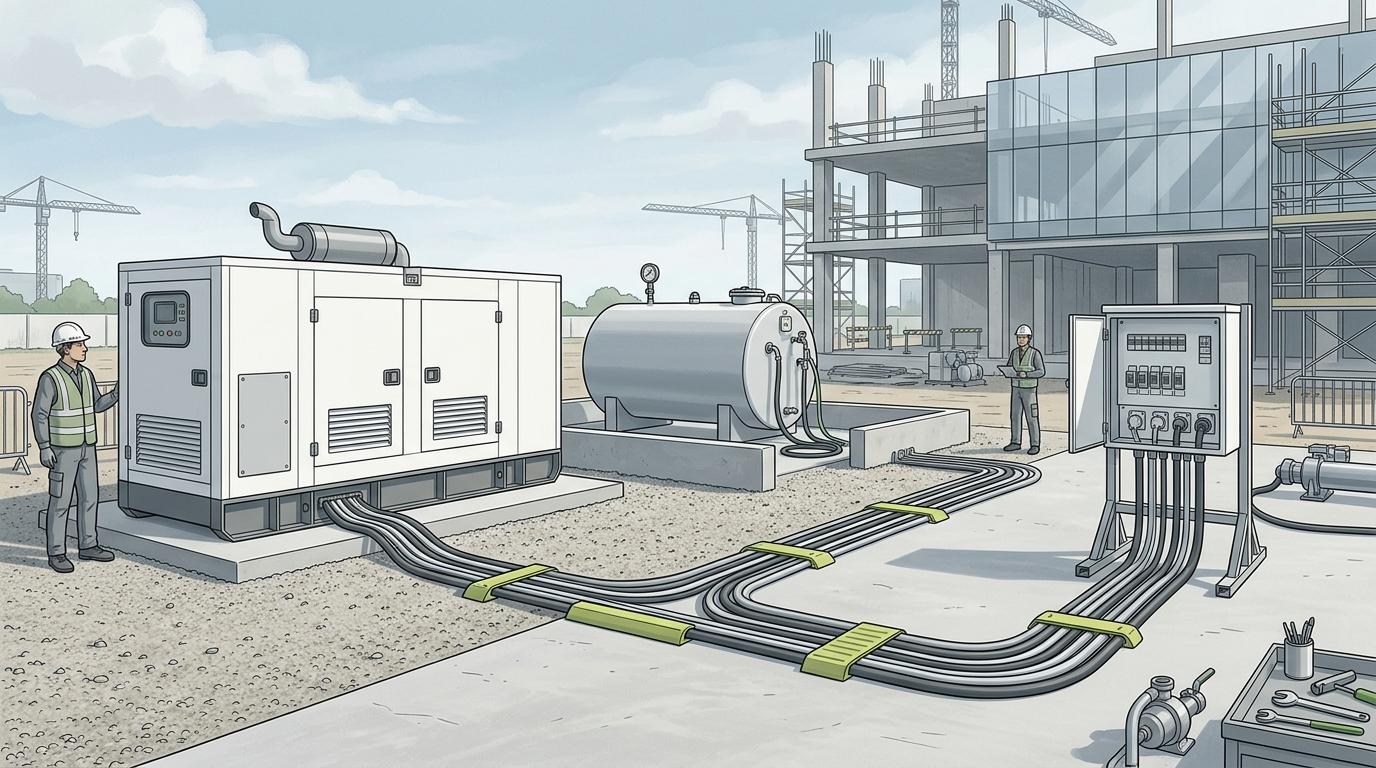
Third, establish a clear on site fuel storage and delivery routine. Determine whether standard daily service tanks suffice or whether secondary bulk storage is necessary to avoid frequent delivery overhead. Confirm site storage permits, refueling methods, and spill prevention containment measures before equipment arrives.
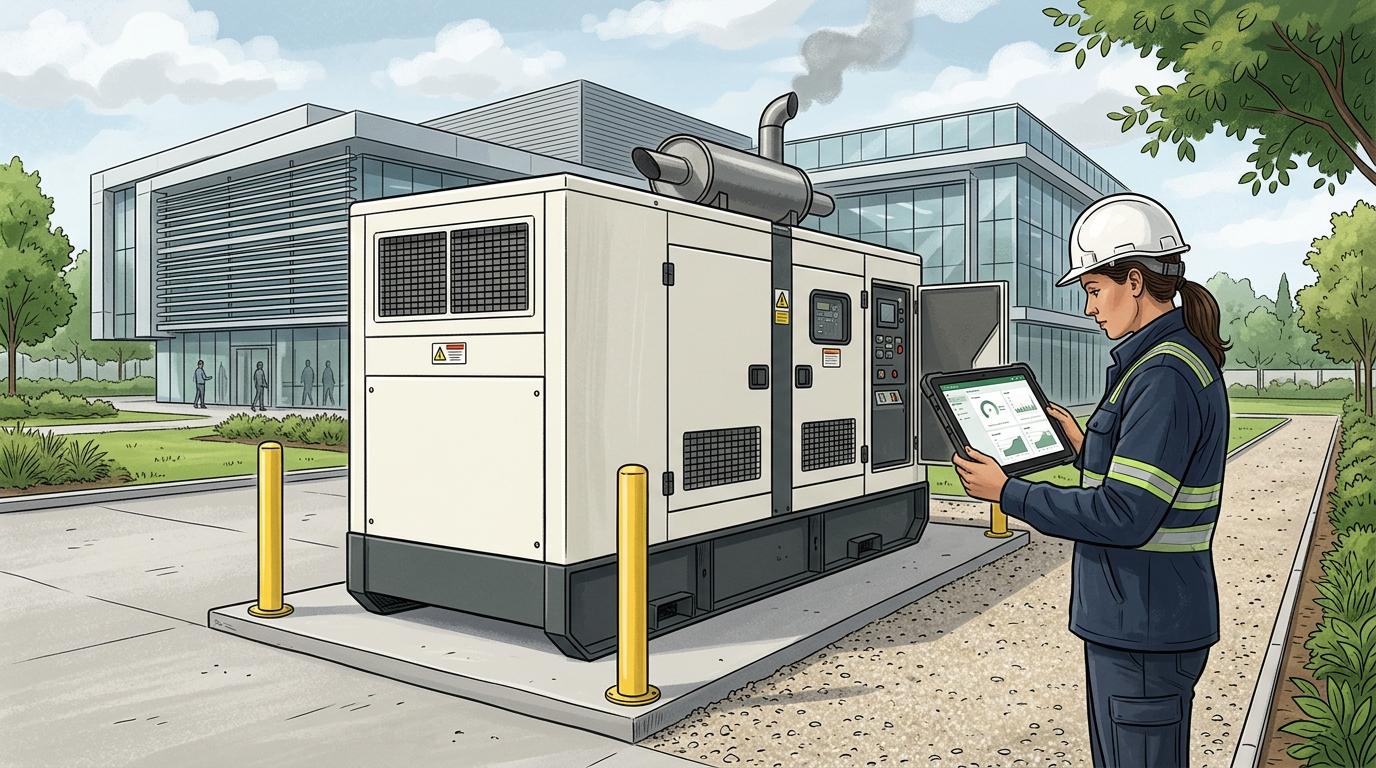
Fourth, implement digital fuel monitoring or structured manual logbook entries at each shift change. Cross referencing run hours against fuel top ups highlights unusual consumption patterns, alerting technical staff to improper load balancing, potential fuel leakage, or deteriorating injector nozzles.
Frequently Asked Questions About Generator Fuel Consumption
Why does a generator consume fuel when running without electrical load?
An idling engine must consume fuel to turn the crankshaft, drive internal oil and water pumps, spin the alternator rotor, and sustain rated operating speed. This internal friction requires baseline diesel consumption even when no external power is drawn.
Is running a generator at light load detrimental to fuel economy?
Light loading produces low combustion chamber temperatures, which leads to incomplete fuel burn. The engine uses a relatively high volume of diesel per kilowatt hour generated, and unburned fuel can accumulate in the exhaust piping, resulting in wet stacking.
How do ambient Indian weather conditions impact hourly fuel rates?
High ambient temperatures lower air density, which decreases oxygen availability in the combustion chambers. Modern governors adjust fuel delivery to maintain frequency, which can elevate hourly diesel consumption under heavy loads.
Should commercial projects rent one large generator or two smaller sets?
Sites with wide differences between peak and low demand hours often see better fuel economy by running two smaller units. Running one generator during light shifts and both units during peak hours keeps each machine in an efficient operating window.
What steps help detect unauthorized diesel loss or fuel theft on site?
Tracking run hours against kilowatt hour meters and tank levels reveals unexpected fuel drops. Continuous tank sensors, lockable fuel caps, and formal sign off procedures during shift handovers provide operational clarity over fuel stocks.
Can using contaminated diesel alter fuel consumption rates?
Particulates or moisture in fuel clog filters and damage injection nozzles. Suboptimal spray patterns from worn or dirty injectors cause uneven combustion, reducing power delivery and requiring higher fuel volume to handle identical loads.
Plan your temporary power requirements and request an itemized proposal for commercial equipment. Request Commercial Generator Rental Quote