Rent
Diesel Generator Rental Guide for Commercial Sites
Explore our diesel generator rental guide for Indian commercial facilities covering capacity selection, fuel planning, site setup, and hire contracts.
By BorrowBox ·
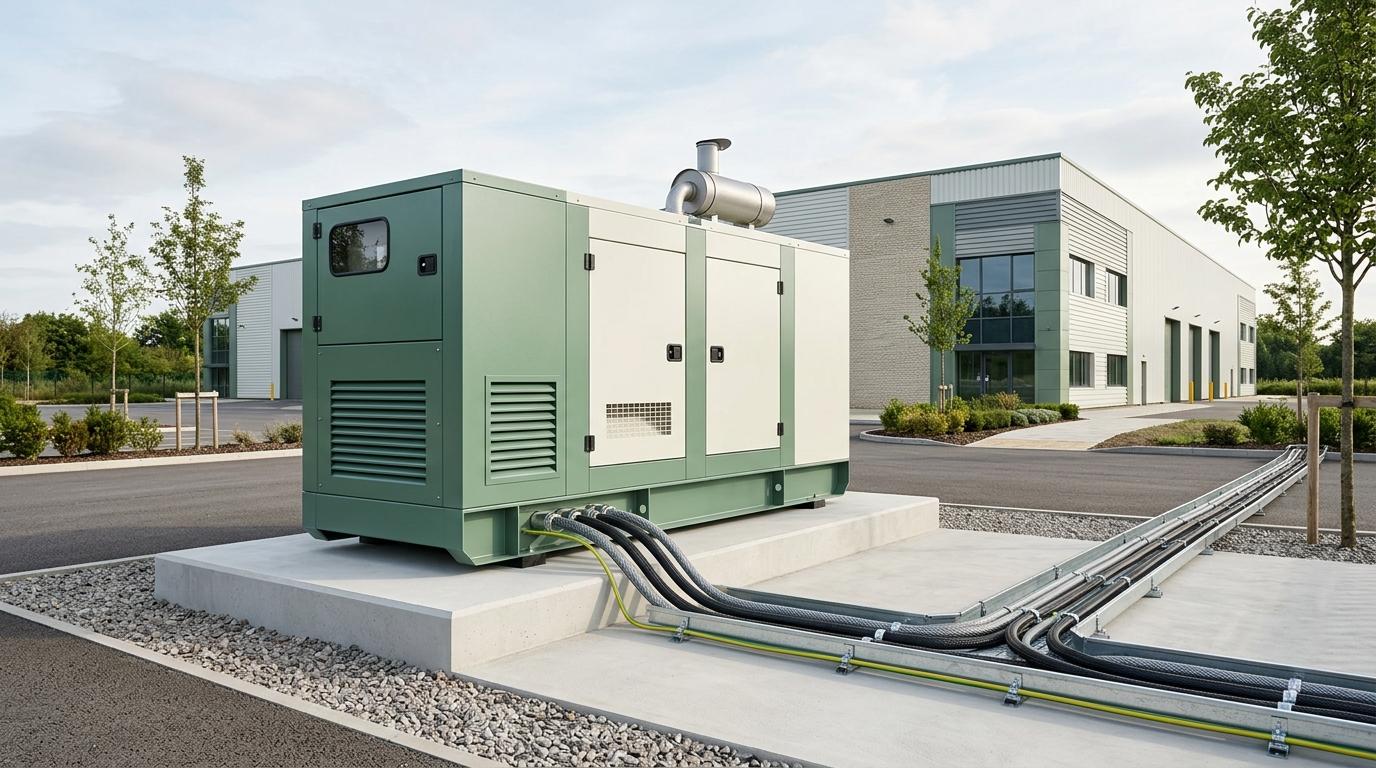
Diesel generator rental provides Indian businesses with temporary or backup electrical power during utility outages, grid connection delays, planned substation maintenance, and seasonal production spikes. Choosing a diesel generator rental enables commercial facilities, manufacturing plants, and infrastructure contractors to secure reliable on site electricity without committing capital expenditure to outright equipment purchases. Selecting the right setup requires matching your operational electrical demand to generator capacity, organizing safe fuel handling, preparing the physical site, and clarifying service obligations with your rental provider.
When Indian Businesses Use Diesel Generator Rental
Industrial and commercial power demands shift across project lifecycles. Facilities frequently encounter situations where temporary generation bridges critical operational gaps. Manufacturing operations deploy rental units during scheduled transformer overhauls or switchgear upgrades when standard utility connections must be isolated for work crews.
Commercial real estate developments and infrastructure projects utilize temporary generators during early civil works prior to local utility grid sanction approval. Processing facilities facing seasonal demand spikes run supplementary generators to handle increased motor and chiller loads without exceeding contracted utility sanction limits. Remote mining operations, stone crushers, highway projects, and outdoor event venues also rely on mobile diesel generation where local distribution infrastructure is absent or unstable.
Matching Generator Capacity to Business Power Profiles
Selecting appropriate generator capacity requires calculating both continuous operating wattage and transient inrush currents. Inductive machinery such as chillers, centrifugal pumps, tower cranes, and heavy electric motors can draw starting currents several times higher than their steady state operating amperage. Selecting a generator based only on running load risks voltage drops, frequency instability, circuit breaker trips, and potential equipment shutdowns.
At the same time, running a diesel generator below thirty percent of its rated capacity over extended periods can lead to wet stacking, unburned fuel accumulation in the exhaust system, and internal engine carbon deposits. Consulting a qualified site electrical engineer to perform load logging across peak operational shifts establishes true baseline and peak demand before finalizing rental agreements.
| Capacity Range | Typical Application Profile | Mobility and Placement | Operational Focus |
|---|---|---|---|
| Small range: 20 kVA to 60 kVA | Retail outlets, bank branches, small clinics, and site offices | Canopy units with compact footprints for tight urban spaces | Acoustic performance, basic cabling runs, and minimal clearance needs |
| Medium range: 100 kVA to 250 kVA | Mid size manufacturing units, cold storage rooms, and construction work | Skid mounted or towable units requiring crane offloading | Managing motor starting currents and organizing regular fuel replenishment |
| Heavy range: 300 kVA to 500 kVA and above | Large industrial factories, data hubs, heavy civil works, and hospitals | Stationary container sets requiring dedicated trailer transport | Synchronized paralleling, bulk fuel storage systems, and daily logging |
Fuel Management and On Site Storage Considerations
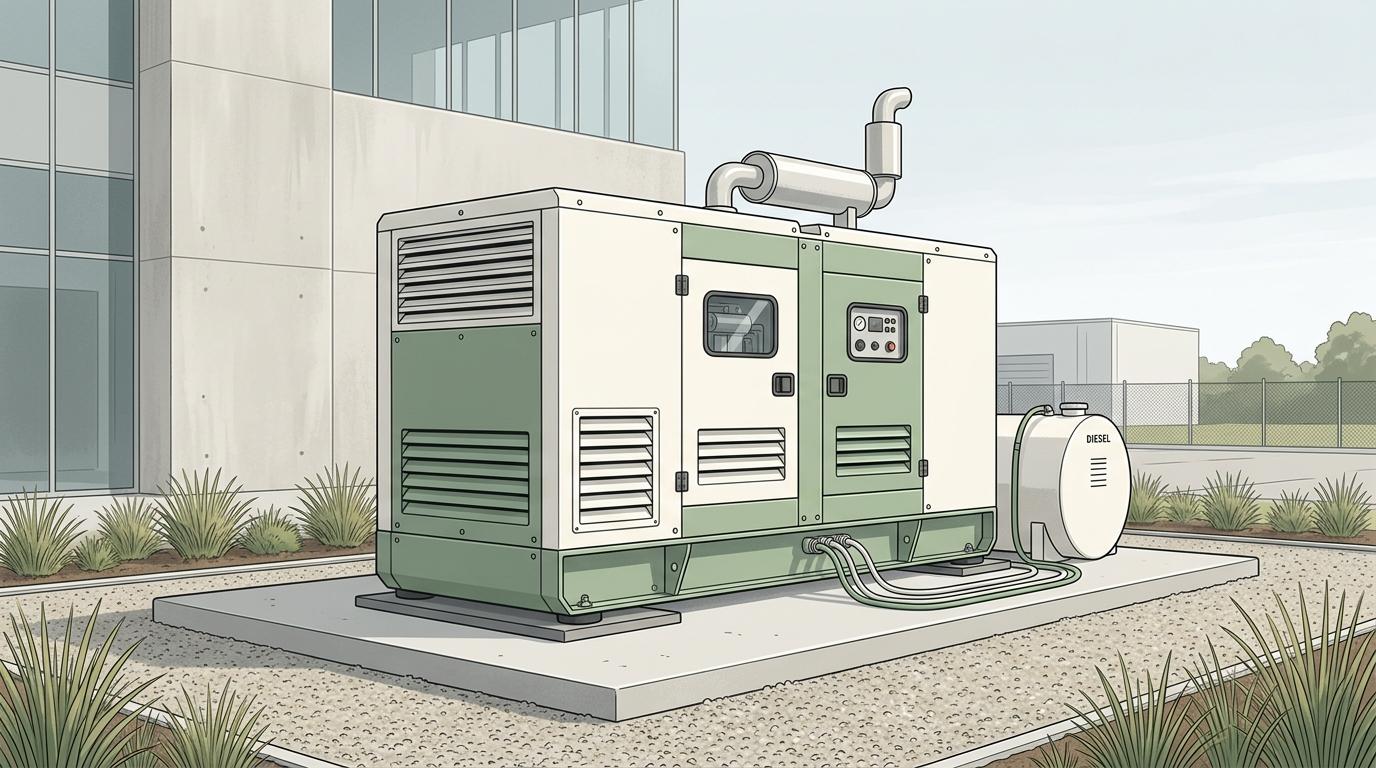
Fuel availability and fuel quality govern generator dependability. Diesel degrades over time when contaminated with moisture or microbial growth, which can plug filters and foul fuel injectors during unexpected load transfers. Rental agreements vary on whether fuel sourcing remains the responsibility of the client or the rental supplier.
Before equipment arrives, calculate estimated daily consumption based on your anticipated load percentage and daily running hours. Check whether your facility maintains space and containment systems for auxiliary bulk storage, or whether scheduled direct to tank fuel deliveries align better with your facility operating hours.
- Inspect delivery pathways to confirm fuel delivery trucks can access the generator without disrupting primary facility traffic.
- Clarify whether your on site team or the supplier handles daily fluid level inspections, sediment draining, and fuel top ups.
- Position secondary containment bunds beneath connection points to catch accidental drips during fuel transfers.
- Confirm fuel quality standards with your fuel vendor to avoid poor quality diesel that damages fuel pumps and exhaust components.
Site Deployment and Installation Checklist
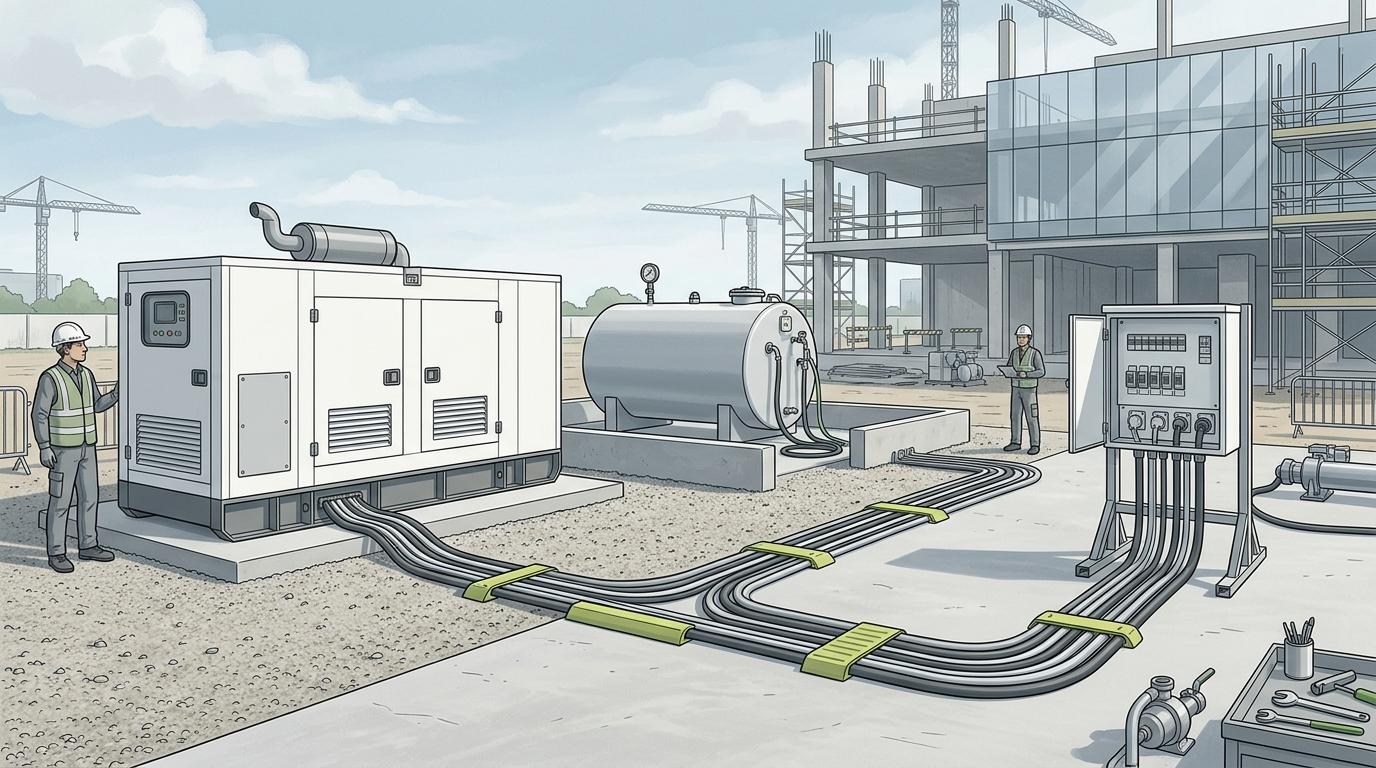
Delivering and commissioning an industrial generator requires thorough advance planning. Ground stability, ventilation clearances, and electrical connection interfaces must be verified before the delivery flatbed arrives on site.
- Civil foundation: Confirm the staging area has a compacted, level concrete or firm gravel surface that supports the gross operating weight with full fuel and fluid tanks.
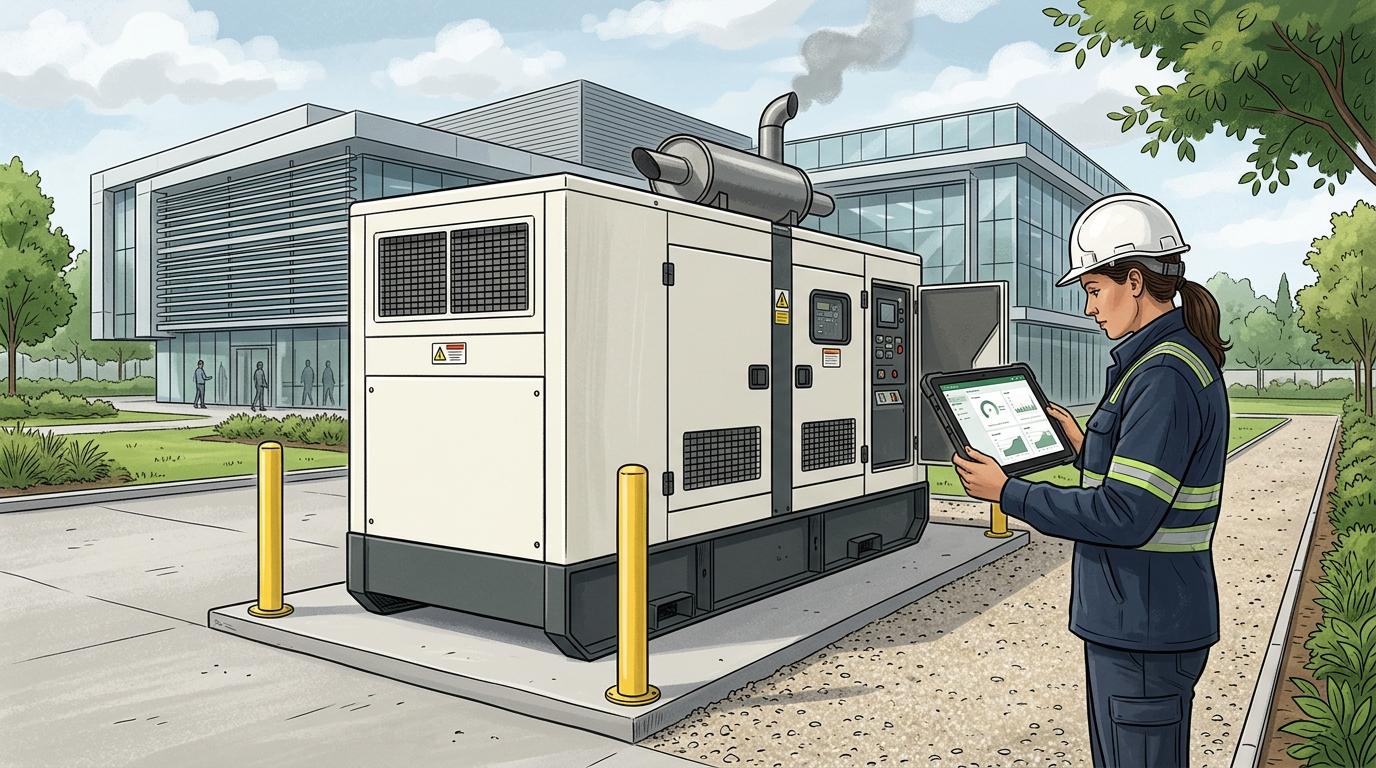
- Airflow and ventilation: Provide unobstructed clearance around cooling air intakes and position exhaust outlets away from building air intakes, doors, and open windows.
- Electrical tie in: Inspect breaker switchboards and changeover panels to confirm cable lug compatibility, phase rotation matching, and connection to designated earthing pits.
- Access routes: Check entry gate dimensions, turning radius limits, and ground bearing capacity for transport trailers and mobile cranes.
- Sound positioning: Direct acoustic canopy exhausts away from property boundaries, customer zones, and office work spaces.
Commercial Terms and Operational Support in Rental Agreements
Rental duration structures range from daily and weekly commitments for emergency repair situations to multi month contracts for seasonal production or infrastructure construction. Reviewing commercial terms carefully helps align rental expenses with operational reality.
Examine contract terms regarding running hour thresholds. Many rental contracts allocate a baseline allowance such as eight to twelve operating hours per day, applying additional hourly rates for extended shifts or continuous operation. Clarify who supplies lubricants, replacement filters, and technician labor during scheduled maintenance. For critical commercial operations, ask whether your provider maintains backup machine substitution support if an unexpected mechanical breakdown occurs.
Frequently Asked Questions About Diesel Generator Rental
What rental duration options are standard for industrial sites?
Industrial sites typically rent diesel generators on weekly, monthly, or annual terms. Short contracts address emergency power outages or planned switchgear maintenance, while monthly or long term contracts support multi phase construction projects or peak manufacturing seasons.
Who handles routine generator maintenance during the rental term?
Maintenance responsibilities depend on the specific contract terms. Rental providers generally perform scheduled preventive maintenance, including engine oil changes and filter replacements. Daily fluid level checks, basic operational logging, and site housekeeping are usually managed by the client on site team.
How do I determine the right generator capacity for my business?
Determine your total running kilowatt demand, add the starting surge loads for electric motors and chillers, and include an operating buffer to avoid overloading. Consulting a professional electrical engineer to review site load history provides the clearest sizing guidance.
What physical site preparations are required prior to delivery?
Sites require a level, load bearing foundation, unobstructed space for engine cooling and exhaust dispersal, designated earthing pits installed to local engineering guidance, protected cable paths, and clear transport access for delivery trucks and cranes.
Can rented diesel generators run for extended daily shifts?
Operating durations depend on whether the unit has a prime or continuous rating and the specific terms outlined by your rental supplier. While prime rated generators handle long working shifts under fluctuating loads, extended operations require scheduled service pauses for fluid checks and filter replacements. Always review shift allowances with your supplier.
What safety precautions are necessary for on site fuel handling?
Fuel handling requires secondary containment trays to catch spills, clearly marked fire safety equipment nearby, designated no smoking areas, clear delivery paths for fuel trucks, and proper ventilation around fuel filling points.
Working with an experienced temporary power provider helps clarify your capacity requirements, fuel logistics, and site connections. Discuss your facility power requirements with an equipment specialist to determine the right setup for your operational schedule.
Request a customized diesel generator rental quote for your business Get a Generator Rental Quote