Maintenance
Diesel Generator Rental Maintenance Guide
Learn essential diesel generator rental maintenance routines across engines, fuel lines, lubrication, cooling systems, and electrical circuits.
By BorrowBox ·
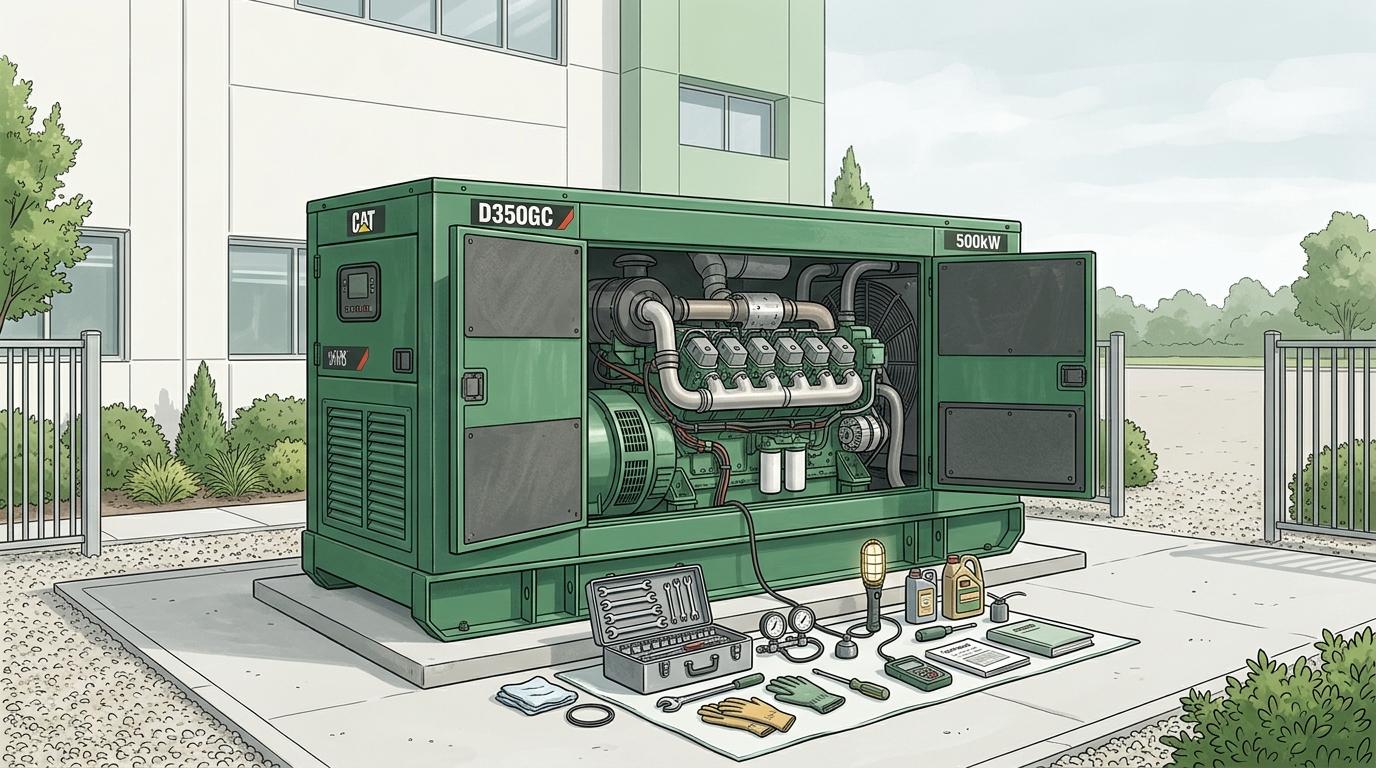
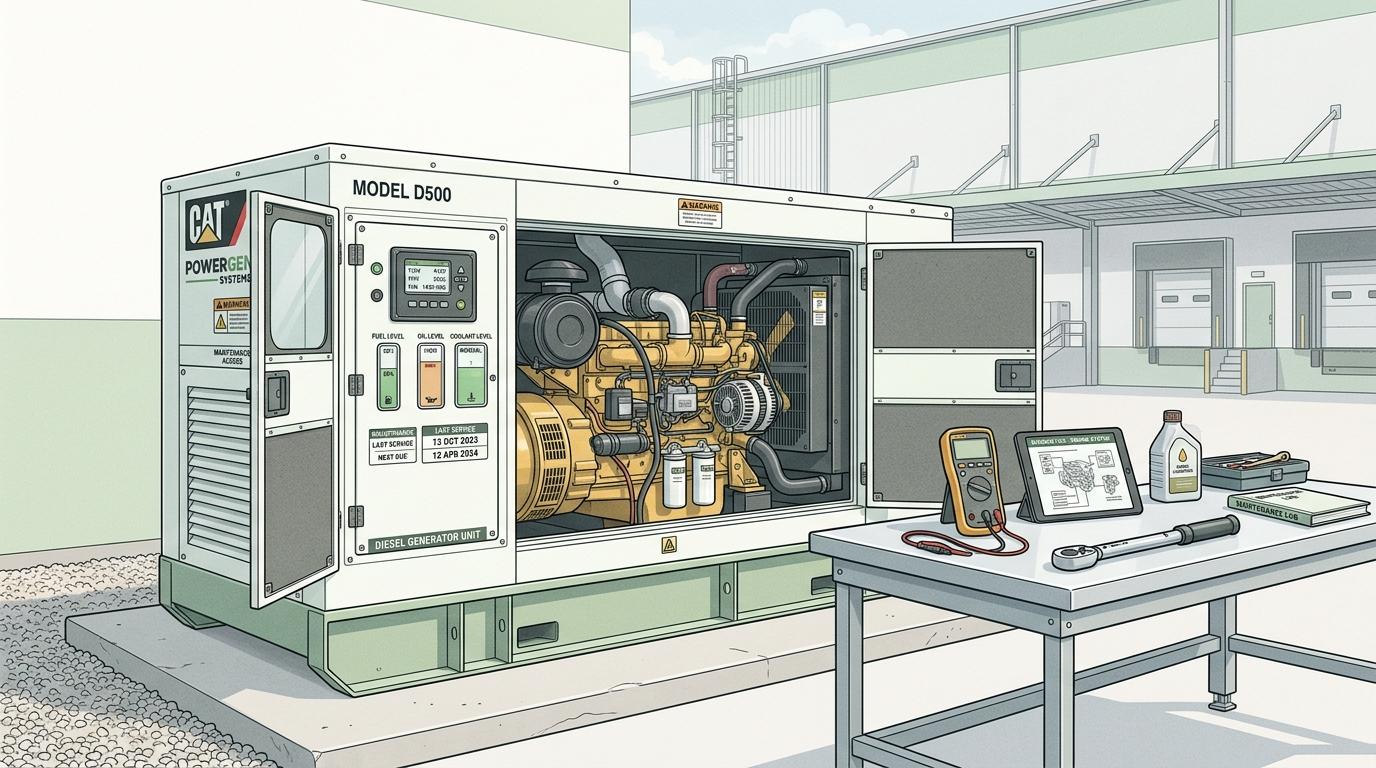
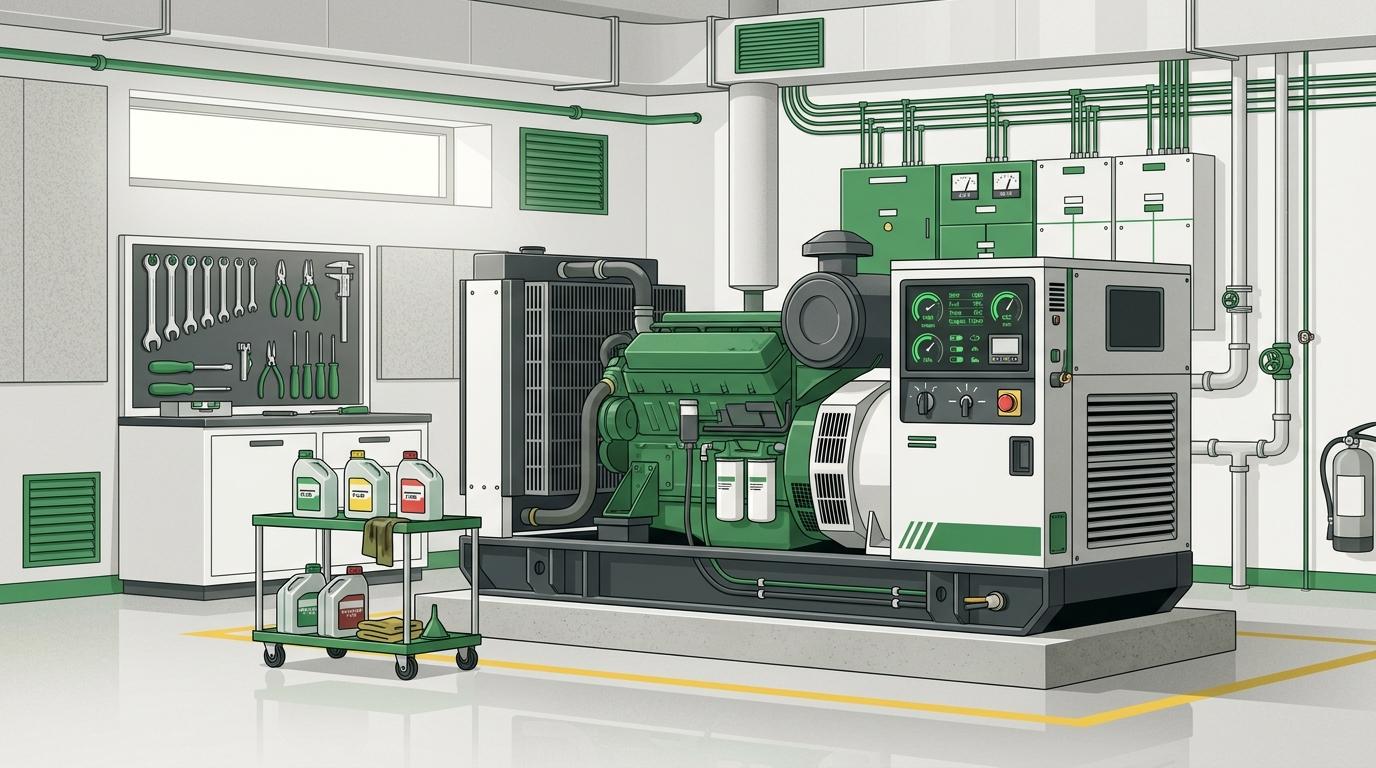
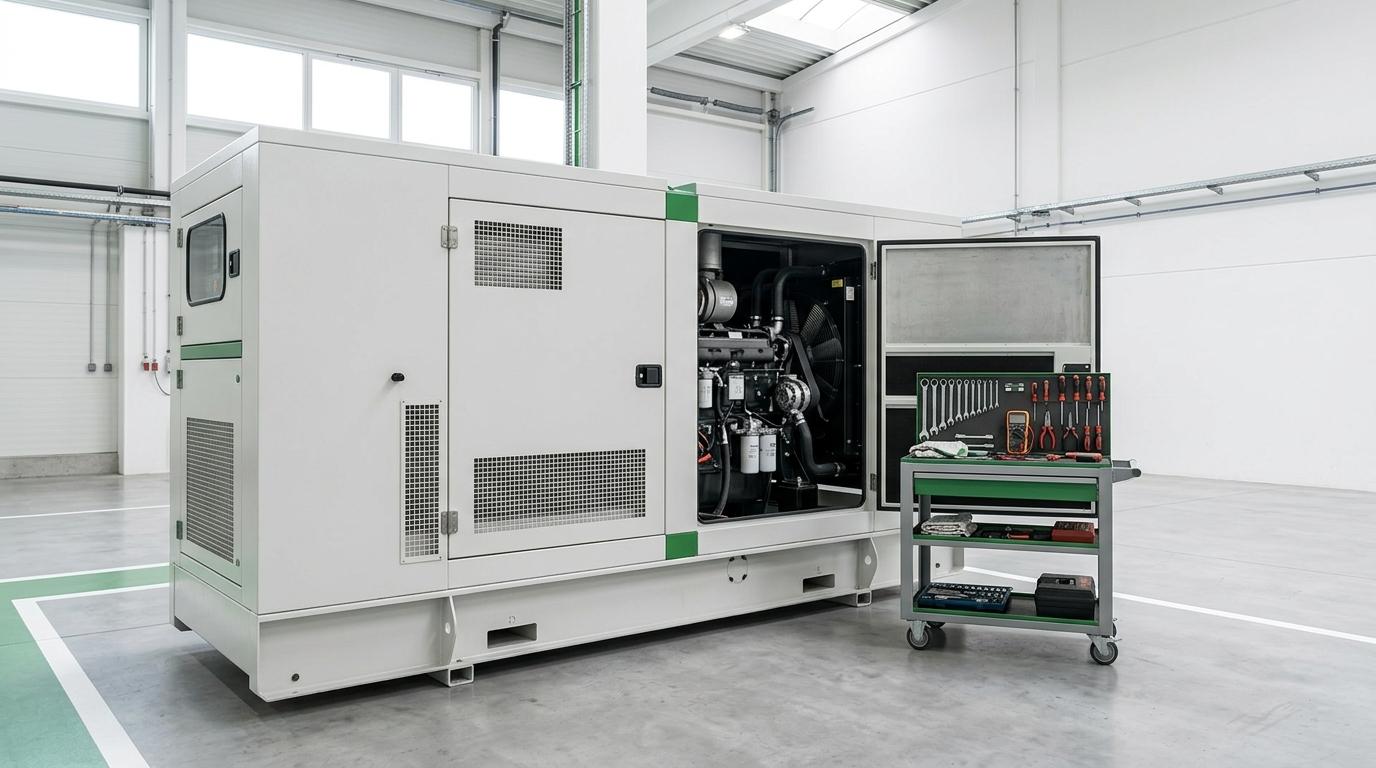
Proper diesel generator rental maintenance requires routine inspection of the engine assembly, lubrication circuits, fuel piping, cooling components, exhaust runs, and starting batteries. Commercial operations that run temporary power equipment face demanding conditions such as high ambient temperatures and dusty air. Conducting disciplined daily visual reviews and scheduling fluid servicing keeps units operating reliably when the utility grid drops out.
Why Routine Upkeep Protects Temporary Industrial Power
Temporary power units installed on commercial and industrial sites often run under challenging duty cycles. Operations teams rely on these sets during utility interruptions, peak shaving periods, or seasonal production spikes. When equipment sits idle between outages, stagnant fluids and battery degradation can create silent failures that only appear when the site demands sudden electrical load.
Consistent upkeep minimizes the risk of unexpected halts that interrupt production lines, computer rooms, or cold storage facilities. Establishing clear visual inspection routines helps site supervisors catch weeping hose connections, loose terminal clamps, or clogged intake passages before they trigger automatic shutdowns. Taking a proactive approach also maintains clear communication between facility operators and rental vendors.
Critical Subsystems to Inspect on Site Generators
A practical maintenance framework separates the generator into core mechanical and electrical circuits. Tracking each subsystem independently prevents staff from overlooking vital wear points.
Engine Block and Structural Mountings
Check the outer block for signs of weepage around gaskets, inspection covers, and seals. Confirm that mounting hardware and anti vibration rubber pads remain tight against the base frame. Unusual mechanical tapping or severe shaking during startup often indicates loose foundation bolts or misaligned dampeners.
Lubrication System and Oil Health
Inspect the engine oil level with the dipstick prior to every run cycle. The level should register within the marked range and show clean amber or rich brown fluid. Extremely thick or gritty oil indicates overdue filter renewal or severe thermal breakdown. Operators should also verify that crankcase breather pipes remain clear of oily sludge.
Fuel Storage and Delivery Piping
Fuel contamination remains a frequent source of injection pump damage on busy commercial sites. Check day tanks for water accumulation and drain condensation from primary water separation bowls before starting the set. Examine flexible fuel hoses for hardening, surface cracks, or loose clip fittings that could introduce air into the suction lines.
Radiator Cores and Cooling Pathways
Inspect coolant expansion tanks while the engine is cool. Never remove pressurized caps from hot radiators. Clear windblown dirt, packaging refuse, and leaves from cooling fins to allow unrestricted airflow across the radiator core. Inspect water pump drive belts for correct tension and surface glazing.
Exhaust Channels and Silencer Insulation
Check manifold flanges and flexible metal bellows for black soot patterns that indicate exhaust gas leakage. Confirm that the rain flap opens freely during running and closes firmly when the set rests. Inspect thermal wrap around interior exhaust sections to confirm the lagging stays firmly fastened.
Electrical Starters and Storage Batteries
Most generator failures during power cuts stem from degraded starting batteries. Clean white oxidation buildup from lead terminals and confirm cable bolts are snug. Check open circuit battery voltage and inspect trickle charger meters. Review control cabinet wiring bundles to verify that ongoing engine vibration has not rubbed wire insulation bare.
Recommended Maintenance Frequencies by Subsystem
Site conditions dictate actual service pacing, yet following a structured inspection timetable creates predictable operational habits. The table below outlines routine checks for commercial installations.
| Subsystem | Recommended Frequency | Primary Action | Visual or Operational Check |
|---|---|---|---|
| Lubrication | Daily before startup | Check dipstick level and filter canisters | Oil level between indicator marks without gritty residue |
| Fuel Supply | Daily before startup | Drain water separator bowl and check levels | Transparent bowl free from water layers and sediment |
| Cooling Core | Weekly | Clear external debris and check expansion tank | Coolant level visible with clean exterior radiator fins |
| Starting Battery | Weekly | Clean cable posts and test terminal voltage | Clean terminals with immediate engine cranking response |
| Air Intake | Biweekly | Inspect filter indicator and remove external dust | Restriction gauge showing normal unrestricted airflow |
| Exhaust System | Monthly | Inspect manifold joints and expansion bellows | Absence of black carbon soot streaks along piping joints |
Defining Boundaries Between Facility Teams and Providers
Rental contracts often vary in how they assign maintenance tasks between the site occupant and the machinery provider. Both parties should establish written expectations before equipment arrives on site to avoid misunderstandings during unexpected faults.
- Site personnel typically handle daily prestart checks, security monitoring, and basic fuel top ups.
- Rental suppliers typically supply qualified service personnel for scheduled engine oil changes and filter replacements.
- Major component overhauls, alternator rewinding, and turbocharger rebuilds generally remain under provider management.
- Emergency response protocols and replacement timing should be confirmed in writing prior to delivery.
- Filter and fluid disposal rules should be clarified to confirm which party manages waste removal on site.
Frequently Asked Questions About Generator Maintenance
How often should a commercial diesel generator receive servicing?
Site teams should perform daily visual checks prior to cranking the engine. Comprehensive oil and filter servicing commonly occurs every two hundred to two hundred fifty operating hours or every six months, though dirty ambient environments may warrant shorter intervals.
What causes generator starting batteries to lose charge?
Batteries often lose capacity due to terminal sulfation, loose clamp fittings, ambient heat exposure, or faulty battery chargers. Regular voltage testing and routine cleaning of terminal posts prevent sudden cranking failures.
Why is draining water from fuel filters essential?
Ambient temperature changes cause condensation to collect inside fuel tanks. If water enters precision fuel injectors, it causes internal corrosion and spray tip damage. Daily drainage of filter bowls protects high pressure fuel hardware.
Who provides replacement filters under standard rental agreements?
Agreements vary by supplier and rental term. In many commercial contracts, the rental partner supplies oil and fuel filter elements during scheduled maintenance windows, but facility managers should verify consumable coverage in writing.
What happens when an engine operates with low coolant?
Low coolant produces localized cylinder hotspots, head gasket leakage, and automatic engine shutdown. Operating without adequate coolant volume can warp critical engine components and result in complete mechanical seizure.
Can site personnel conduct mechanical repairs on rental units?
Facility personnel should restrict their involvement to prestart checks and basic fluid replenishment. Opening fuel injectors, electrical control units, or internal engine assemblies can void agreement terms. Site teams should call the provider when alarms trigger.
Learn more about structured maintenance contracts and site care routines for commercial power units. Explore generator maintenance options