Maintenance
Generator Maintenance Cost: Commercial Planning Guide
Understand your total generator maintenance cost across scheduled servicing, parts, labour, emergency calls, and annual maintenance contracts.
By BorrowBox ·
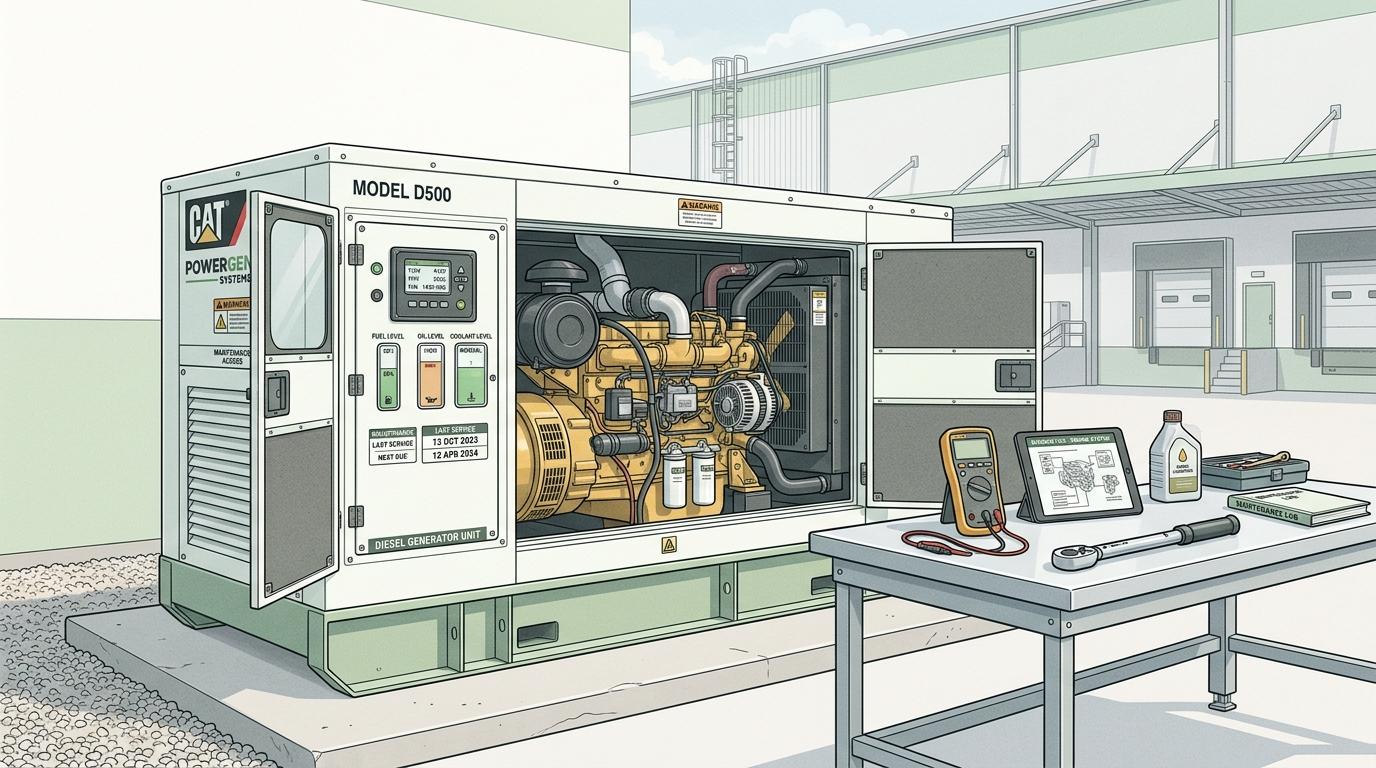
Understanding your overall generator maintenance cost requires looking beyond basic oil changes to examine routine servicing, consumable parts, skilled labour charges, unscheduled emergency calls, and contract structures. For commercial facilities across India, total maintenance spending fluctuates based on operating hours, ambient site conditions, load profiles, and whether work is handled through ad hoc service calls or structured annual maintenance agreements. Balancing scheduled inspections against sudden breakdown risks allows facility managers to protect continuous power operations while avoiding volatile operational expenses.
Core Pillars That Shape Generator Maintenance Cost
Every industrial generator incurs ongoing expenditure to remain reliable during grid outages. Rather than treating upkeep as a single line item, commercial operators divide operational expenses into distinct categories to evaluate where capital goes and where savings can be achieved without compromising power availability.
- Routine periodic servicing: Scheduled visits covering system inspections, fluid level testing, valve adjustments, belt tightening, battery health assessments, and functional run checks.
- Consumables and wear parts: Recurring replacements including lube oil, primary and secondary fuel filters, lube oil filters, air intake elements, and engine coolant additives.
- Technical labour charges: Specialised engineering support for mechanical diagnostics, control panel troubleshooting, electrical calibrations, and minor adjustments.
- Emergency and unscheduled repairs: Urgent callout responses, troubleshooting sudden failures during power cuts, and after hours site dispatches.
- Major component overhauls: Intermediate top end overhauls and complete engine reconditioning after specified running hour thresholds, involving cylinder heads, injectors, and turbochargers.
Because provider pricing, technician availability, and travel fees vary by region and site accessibility, organisations should evaluate these elements separately during budget preparations.
Evaluating Service Contracts Against Ad Hoc Repairs
A central financial decision for any site manager is choosing between callout servicing as problems emerge and entering an annual maintenance contract. An ad hoc arrangement may appear cheaper during periods with minimal generator usage, but it introduces budget uncertainty when unexpected faults arise or when technicians charge premium rates for rapid mobilization during critical outages.
| Service Model | Cost Predictability | Component Coverage | Operational Fit |
|---|---|---|---|
| Ad Hoc Service Visits | Low predictability with volatile invoices per incident | All parts and consumables billed separately at market rates | Low run hours or backup assets with minimal failure risk |
| Non Comprehensive AMC | Moderate predictability with fixed labour and scheduled visits | Filters, oil, and worn components invoiced on actual usage | Sites wanting structured inspection schedules with control over parts purchases |
| Comprehensive AMC | High predictability through unified annual billing | Routine parts, selected spares, and labour bundled into single fee | Continuous production plants, data rooms, and healthcare facilities avoiding unplanned invoices |
When reviewing contract proposals, terms must be scrutinized. Comprehensive contracts differ significantly between vendors regarding which high value electrical or fuel injection components are included, whether coolant flushes are covered, and if auxiliary items like external bulk fuel transfer pumps are excluded.
Site Variables That Drive Maintenance Spending Up or Down
Two identical generators can produce completely different maintenance bills depending on the operating environment and usage intensity. Industrial workplaces across manufacturing zones, construction yards, and coastal belts place varying stresses on engine components, which accelerates wear and alters consumable replacement frequencies.
Heavy airborne dust on infrastructure projects rapidly clogs air filtration elements, requiring more frequent filter cleanings and replacements to prevent unmetered dust from scouring cylinder liners. Similarly, generators placed in unventilated basements or hot acoustic enclosures run hotter, degrading lubricating oil prematurely and placing extra stress on cooling fans, radiators, and sensors.
Running patterns also govern your generator maintenance cost. Machines subjected to prolonged low load running accumulate unburnt fuel and carbon deposits in exhaust passages, often termed wet stacking. Clearing this condition requires artificial load banking or frequent injector servicing. Conversely, units operating near maximum rating during frequent utility cuts demand tighter fluid sample testing and faster turnaround on valve clearances.
Checklist for Clarifying Vendor Quotes and Preventing Cost Overruns
To keep maintenance budgets transparent, commercial buyers should confirm exact contractual boundaries before signing service level agreements with service providers.
- Confirm the number of mandatory preventive visits included each calendar quarter.
- Verify whether emergency breakdown attendances include additional transport or travel allowances.
- Clarify whether original equipment manufacturer filters and recommended lubricant grades are included or billed separately.
- Ask how after hours, weekend, and public holiday technician callouts are priced.
- Establish whether load bank testing and cooling system descaling are part of the scope or billed as separate activities.
- Determine whether remote telemetry and sensor monitoring integrations are supported under the service fee.
Frequently Asked Questions About Generator Maintenance Costs
How often does a commercial generator require routine servicing?
Routine servicing generally occurs on a calendar cycle, such as monthly or quarterly inspections, alongside run hour milestones specified by the engine manufacturer. High run hour operations reach service triggers much faster than standby units that only run during intermittent utility disruptions.
What distinguishes comprehensive from non comprehensive maintenance contracts?
Non comprehensive contracts normally cover scheduled technician labour and visual inspections, leaving the client to pay for replacement fluids, filters, and spare parts. Comprehensive agreements package planned labour, routine consumables, and selected mechanical replacements into a fixed periodic payment.
Why do emergency breakdown visits carry higher expenses than planned servicing?
Emergency visits disrupt standard technician routing and frequently require rapid parts dispatch outside regular working hours. Unplanned breakdowns often involve compounding secondary damage that could have been identified early during standard preventive walkarounds.
Can operating environment alter overall generator maintenance cost?
Operating in severe dust, high ambient humidity, or coastal air speeds up corrosion and filter saturation. Facilities in challenging surroundings must change filtration media and inspect coolant chemistry more frequently, which increases consumable expenditure over the asset lifecycle.
Which consumable parts generate recurring maintenance expenses?
Engine oil, primary fuel filters, secondary water separators, oil filters, and intake air filters make up the primary recurring consumable budget. Auxiliary wear items like starting batteries, alternator drive belts, and radiator hoses require planned replacement at wider intervals.
How does digital monitoring help manage maintenance budgets?
Remote monitoring systems track battery voltage, engine temperature, running hours, and oil pressure continuously. Early alerts highlight small irregularities before they develop into major mechanical failures, helping teams avoid expensive unscheduled repairs and untracked idle running.
Review our commercial generator maintenance options, contract structures, and service support for your facility. Explore generator maintenance options