Maintenance
Generator Servicing Guide: Service vs Maintenance
Learn what generator servicing includes, how it differs from routine maintenance and repairs, and what to review in a commercial servicing contract.
By BorrowBox ·
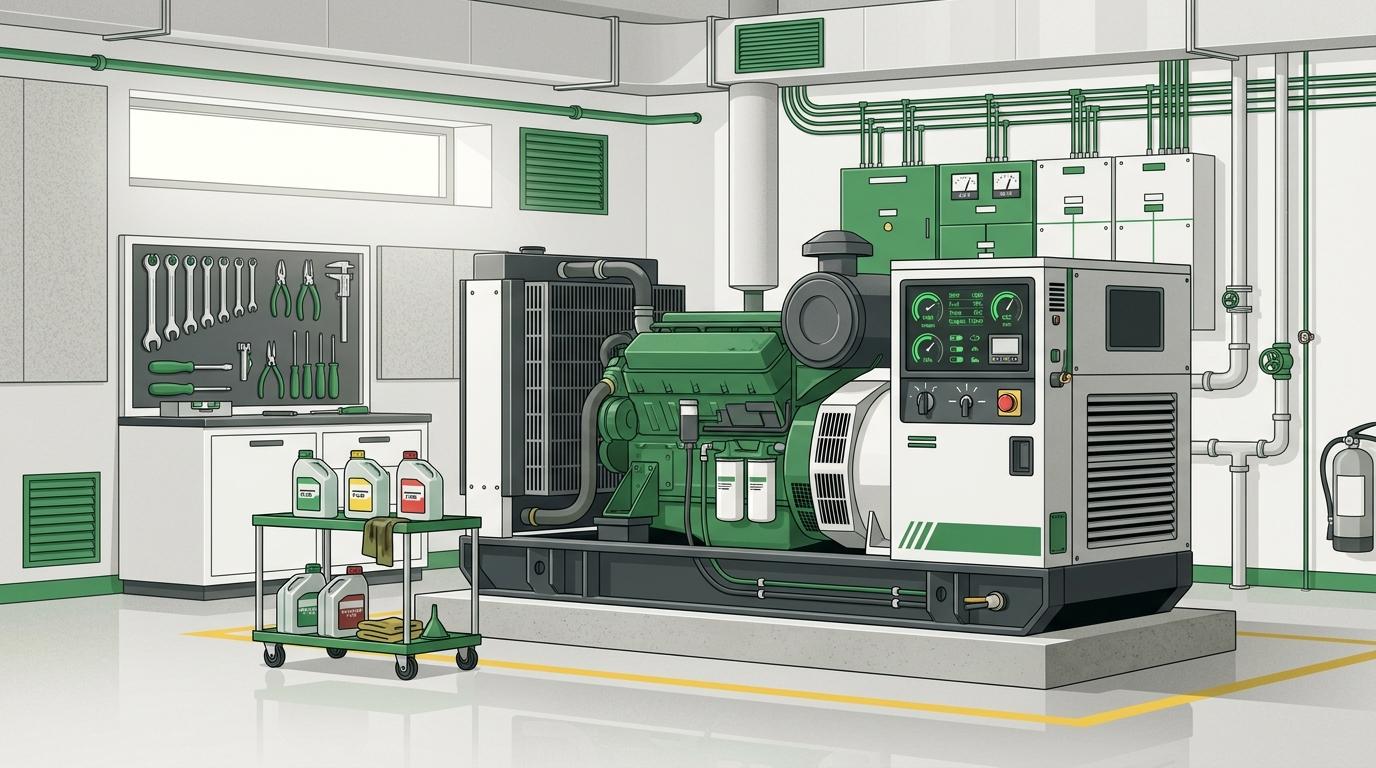
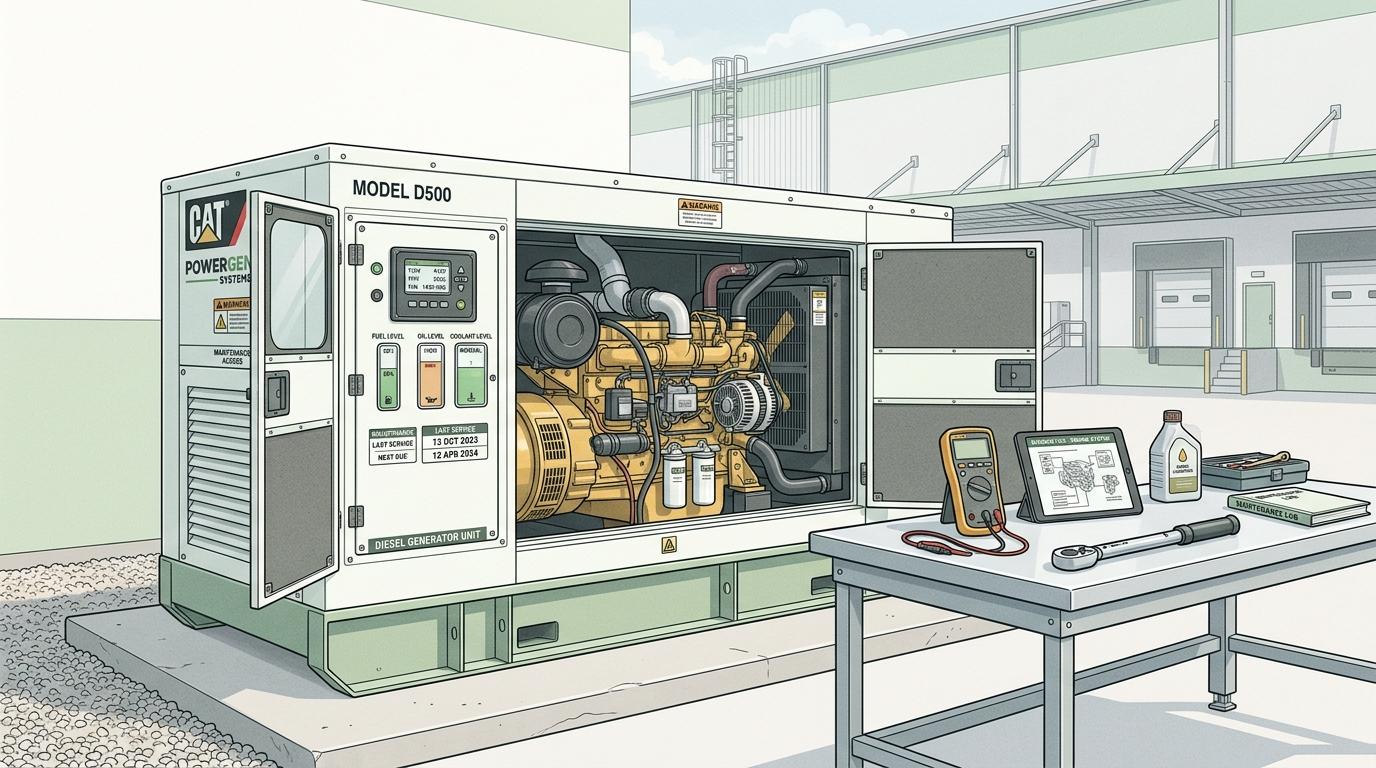
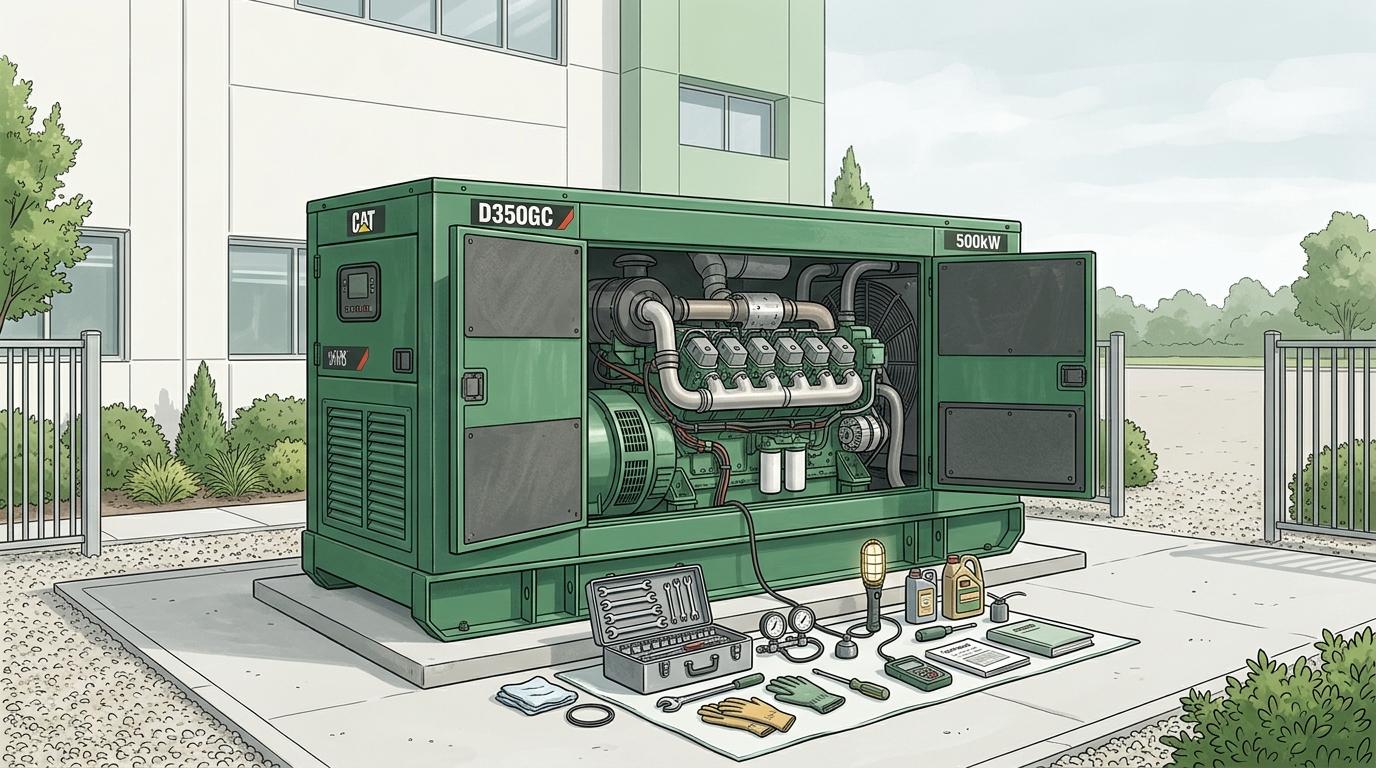
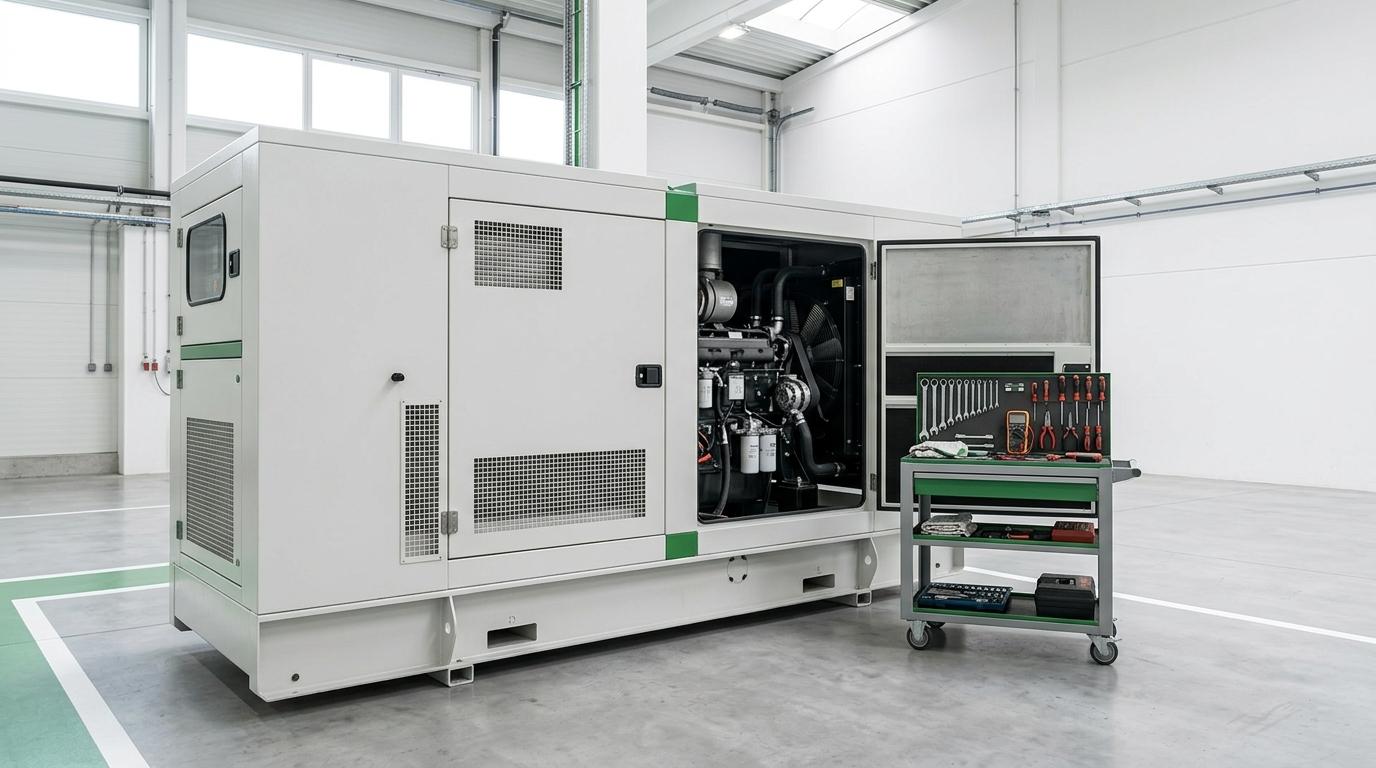
Generator servicing is a planned technical procedure that renews critical consumable fluids, changes engine filters, inspects operating subsystems under load, and calibrates mechanical and electrical controls. While everyday maintenance focuses on visual inspections and minor housekeeping, comprehensive generator servicing addresses internal component wear according to manufacturer running hours or elapsed calendar schedules before mechanical difficulties develop on site.
Industrial and commercial facilities across India rely on standby diesel generators to maintain business continuity during power cuts. However, confusion often arises when procurement departments and facility engineers review contracts and operational invoices. Many teams treat servicing, basic maintenance, and emergency repairs as identical scopes of work. Conflating these three activities can lead to unbudgeted expenses, missed maintenance windows, and unexpected equipment failure during critical grid interruptions.
Distinguishing Servicing, Maintenance, and Repair
To establish reliable maintenance programs and clear vendor contracts, facility directors need to separate diesel generator care into three clear categories of technical activity.
Routine maintenance consists of frequent, low complexity tasks designed to monitor baseline readiness. This includes walking around the generator housing, checking fuel level gauges, reading battery voltmeter values, observing coolant expansion tanks, and wiping away exterior dust or debris. In house facility technicians or building staff usually carry out these checks on a daily or weekly schedule.
Generator servicing represents scheduled, technical renewal performed by trained service personnel. This scope involves draining old lubrication oil, replacing oil and fuel filter elements, setting valve lash clearances, testing electronic governor sensors, and inspecting alternator terminations. Servicing is proactive work scheduled around specific running intervals or set calendar intervals, such as every six months or once a year.
Corrective repair represents reactive intervention carried out when a part fails, an alarm triggers, or performance drops noticeably. Examples include repairing a broken raw water pump, replacing an alternator diode, fixing a cracked turbocharger housing, or rewiring a faulty automatic transfer switch. Repairs focus on bringing a non operational or degraded generator back into working condition.
| Operational Care Category | Primary Objective | Typical Frequency | Typical Work Scope |
|---|---|---|---|
| Routine Maintenance | Maintain baseline site readiness and spot visible defects early | Daily to weekly | Visual walkarounds, physical fluid checks, battery cleaning, exhaust inspections |
| Generator Servicing | Renew worn consumables and recalibrate subsystems to support reliability | Six month cycles, annual schedules, or by running hours | Lube oil renewal, fuel filter replacement, air filter change, valve adjustments |
| Corrective Repair | Restore equipment function following fault alarms, component failure, or damage | As needed after malfunctions occur | Alternator rewinding, fuel injector replacement, water pump rebuild, turbo renewal |
Essential Systems Addressed During Generator Servicing
A thorough servicing visit evaluates six core mechanical and electrical subsystems. Comparing your vendor quotation against this scope helps confirm that the planned visit covers all crucial systems.
The lubrication circuit requires draining engine oil while the block is warm, replacing primary and bypass oil filters, testing crankcase breathers, and inspecting oil cooler lines for seepage. Fresh oil meeting original manufacturer viscosity ratings restores engine film strength and limits internal friction.
The fuel delivery circuit requires replacement of primary fuel filters and secondary water separator cartridges. Technicians check mechanical fuel lift pumps, bleed air from the supply lines, and examine high pressure injector pipes for vibration wear or small leaks.
The air intake and exhaust circuit involves inspecting or renewing air filter elements, resetting restriction gauges, checking turbocharger impeller play, examining exhaust silencer brackets, and tightening manifold bolts to reduce gas leakage.
The cooling circuit demands testing coolant pH and corrosion inhibitor levels, checking radiator core cleanliness, verifying thermostat operation, assessing belt tension, and inspecting water pump seals for signs of mineral crusting.
The electrical starting circuit covers battery health verification. Technicians record terminal voltage under crank, clean lead posts, test the auxiliary battery charger output, and inspect starter solenoid engagement contacts.
The control panel and safety shutdown subsystem requires testing emergency stop functionality, calibrating low oil pressure and high coolant temperature warning senders, and verifying digital controller fault logs.
Commercial Considerations for Servicing Contracts
Commercial service agreements in India differ significantly between providers. Facility managers and procurement teams must clarify contract parameters before awarding an annual maintenance contract or scheduling major generator servicing.
- Parts and fluids: Confirm whether the proposed fee includes replacement filters, engine oil, and coolant, or whether these items will appear as separate billable lines.
- Component sourcing: Inquire whether the contractor supplies genuine parts recommended by the engine manufacturer or alternative aftermarket replacements.
- Waste removal: Determine whether the vendor takes used engine oil, sludge, and discarded filters away from your site or if your facility must arrange appropriate chemical waste disposal.
- Load bank testing: Ask whether operational validation includes connected facility load or external artificial load bank testing, as running without load does not test cooling under full thermal stress.
- Response timing: Review stated response windows for unexpected alarms that arise shortly after major servicing work.
Frequently Asked Questions About Generator Servicing
How often does a commercial generator need servicing if it runs infrequently?
Standby units with few operating hours still suffer from oil oxidation, moisture accumulation in fuel tanks, and degraded coolant inhibitors over time. Most equipment makers suggest full servicing at least once every twelve months regardless of low hour totals.
What happens if a facility skips scheduled generator servicing?
Delaying servicing allows old lubricating oil to turn acidic and form sludge, accelerating wear on bearings and piston rings. Old fuel filters can choke fuel delivery during sudden building load additions, risking sudden engine shutdown.
Can internal facility staff carry out full generator servicing?
While internal operators can perform regular inspections and basic fluid checks, full servicing demands specialized torque wrenches, filter tools, diagnostic software, and controlled disposal arrangements that external service vendors typically supply.
Is load testing included in standard generator servicing packages?
Load testing is often priced as an optional scope item rather than a standard inclusion. Facility teams should ask their provider whether artificial resistive load testing is part of the base contract or treated as an extra charge.
Why do service teams evaluate battery condition during every visit?
Weak or failing starter batteries represent one of the most frequent reasons a diesel generator fails to start during a utility outage. Evaluating cranking voltage identifies failing battery cells before the unit loses starting power.
Does an annual servicing agreement cover emergency repairs?
Basic servicing agreements generally cover routine labor for planned visits only, leaving emergency breakdowns and replacement parts as separate expenses. Comprehensive agreements may include selected repair work, so contracts require detailed examination.
Discover BorrowBox generator maintenance solutions to support reliable backup power operations for your facility. Explore Generator Maintenance Services