Monitoring
Diesel Generator Rental Monitoring Guide
Learn how diesel generator rental monitoring tracks fuel, load, voltage, temperature, and runtime across commercial Indian business facilities.
By BorrowBox ·
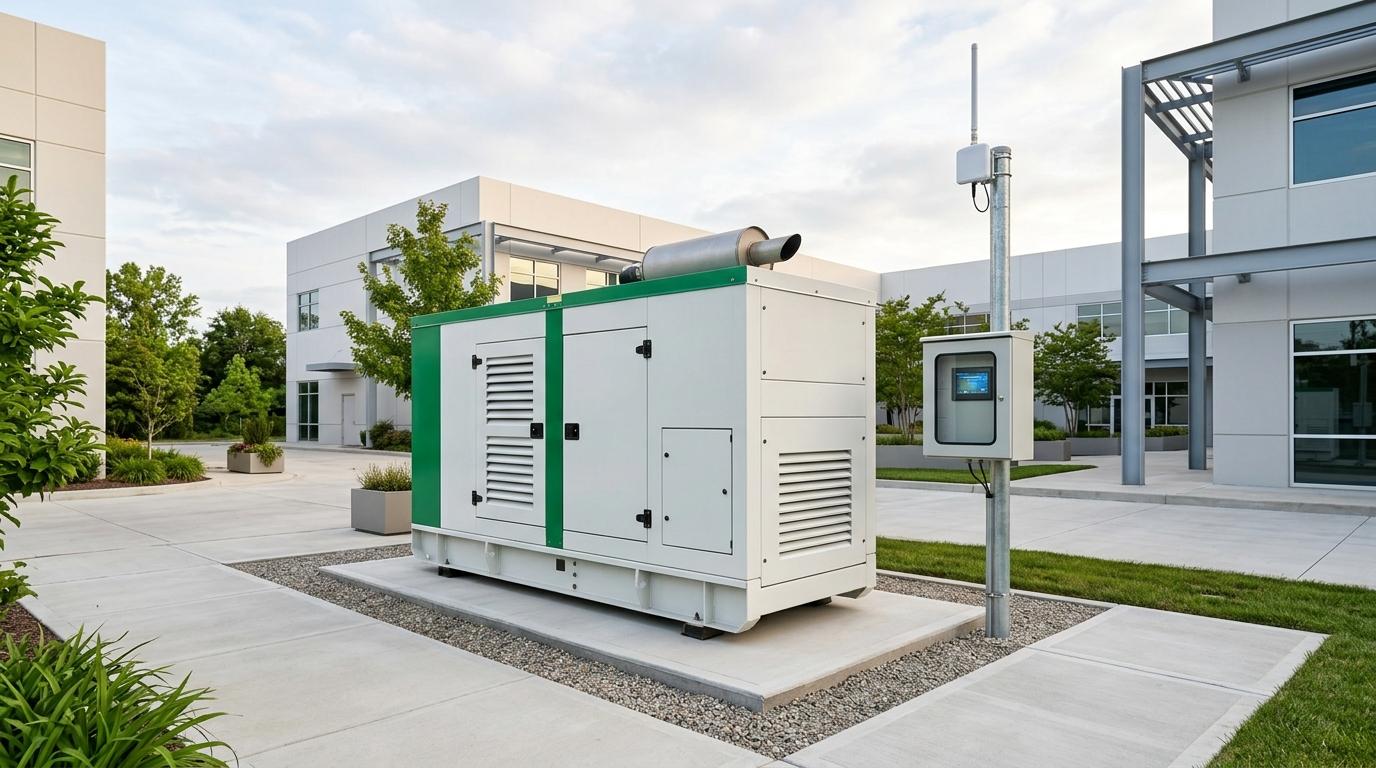
Active diesel generator rental monitoring tracks essential operational metrics including fuel levels, electrical load, voltage stability, engine coolant temperature, and running hours. Monitoring these five core parameters gives site teams early warning before an electrical disruption halts commercial operations. When Indian commercial sites bring in temporary power units, tracking engine telemetry helps prevent sudden shutdowns, oversees fuel burn rates, and protects connected industrial machinery from unexpected power quality issues.
Many business facilities treat temporary power units as standalone machines that only receive attention during refueling visits or unexpected engine trips. This hands off approach creates substantial operational risks. High ambient summer temperatures, heavy dust loads, and frequent transfers between grid power and auxiliary power place severe mechanical strain on backup engines. Continuous visibility transforms temporary power from an uncertain utility into a measurable, predictable operational resource.
Five Critical Diesel Generator Parameters to Track
Every site supervisor should establish clear visibility over five foundational operating metrics. Reviewing these telemetry points helps teams identify mechanical wear and electrical strain long before an automatic shutdown occurs.
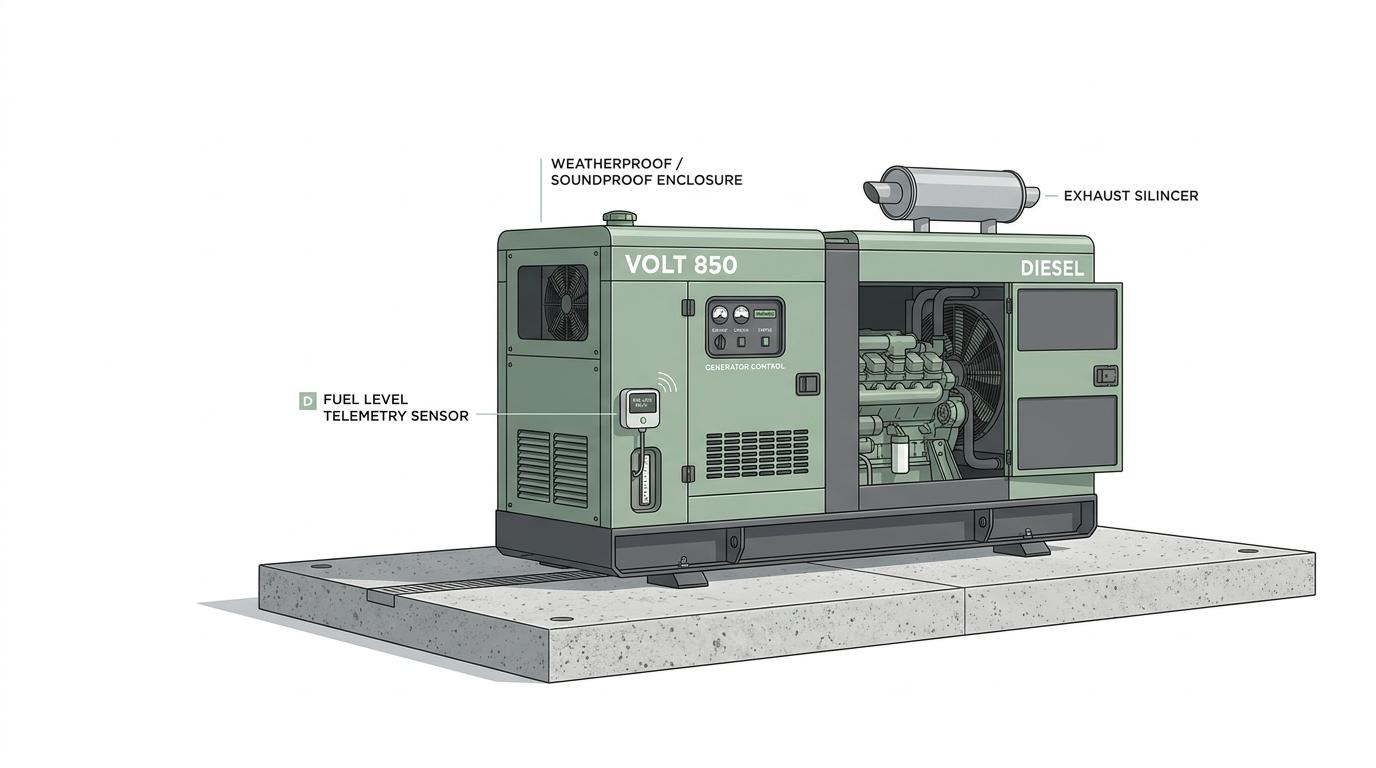
- Fuel level and consumption rate: Continuous fuel tracking alerts teams to sudden drops from leaks or unauthorized fuel removal while providing run hour projections before the tank runs dry.
- Electrical load and phase balance: Tracking total kilowatt draw and individual phase distribution protects alternator windings against overheating and prevents chronic engine underloading.
- Output voltage and frequency: Watching voltage stability and alternator frequency protects sensitive site electronics, data equipment, and heavy production machinery from harmful surges or brownouts.
- Engine coolant and oil temperature: Monitoring thermal operating ranges provides an early indication of low coolant volume, blocked radiator fins, or failing circulation pumps during hot weather.
- Running hours and engine runtime: Accurate runtime records confirm service intervals, validate billing invoices from rental suppliers, and support timely oil and filter replacements.
Among these metrics, phase balancing deserves rigorous oversight. When commercial facilities connect heavy single phase loads to a three phase rental generator, one alternator winding can overheat even when the overall engine operates well below total capacity. Automated telemetry highlights this imbalance immediately, allowing electrical technicians to rebalance circuit distribution boards across phases.
Engine temperature monitoring is equally critical during peak summer months across commercial parks in India. Radiator cores collect ambient dust, which restricts airflow. When thermal sensors signal a steady upward trend under normal electrical loads, maintenance crews can wash the cooling fins and verify coolant levels before the engine control unit initiates a thermal shutdown.
Comparing Manual Logbooks and Remote Telemetry Systems
Commercial sites generally choose between manual logbook recording by duty operators, physical checks of digital control panels, and automated remote telemetry hardware installed on the generator controller. Each approach presents distinct tradeoffs in observation frequency, labor demands, and response speed.
| Monitoring Method | Observation Frequency | Human Effort | Data Accuracy | Best Suited For |
|---|---|---|---|---|
| Manual Paper Logbook | Periodic rounds during shifts | High manual effort required | Subject to recording gaps and delayed reporting | Small operations with non critical power needs |
| Digital Controller Readouts | Spot checks during rounds | Moderate manual effort required | Accurate at the moment of physical inspection | Standard business premises with full time electrical technicians |
| Automated Remote Telemetry | Continuous real time data stream | Minimal manual effort required | High precision digital records with instant alert triggers | Critical facilities, manufacturing plants, and multi site operations |
Relying strictly on manual logbooks introduces risk during night shifts or severe weather events. If coolant temperature climbs steadily between scheduled rounds, an operator conducting periodic physical inspections will miss early warning signs until the engine controller triggers an emergency shutdown. Digital telemetry bridges this gap by alerting supervisors the moment an operating metric trends outside normal thresholds.
Site Checklist for Generator Monitoring Telemetry
Before putting a temporary generator into continuous service, facility managers should verify telemetry readiness with their equipment provider using a concise operational checklist.
- Confirm sensor compatibility with the existing electronic control panel on the generator unit.
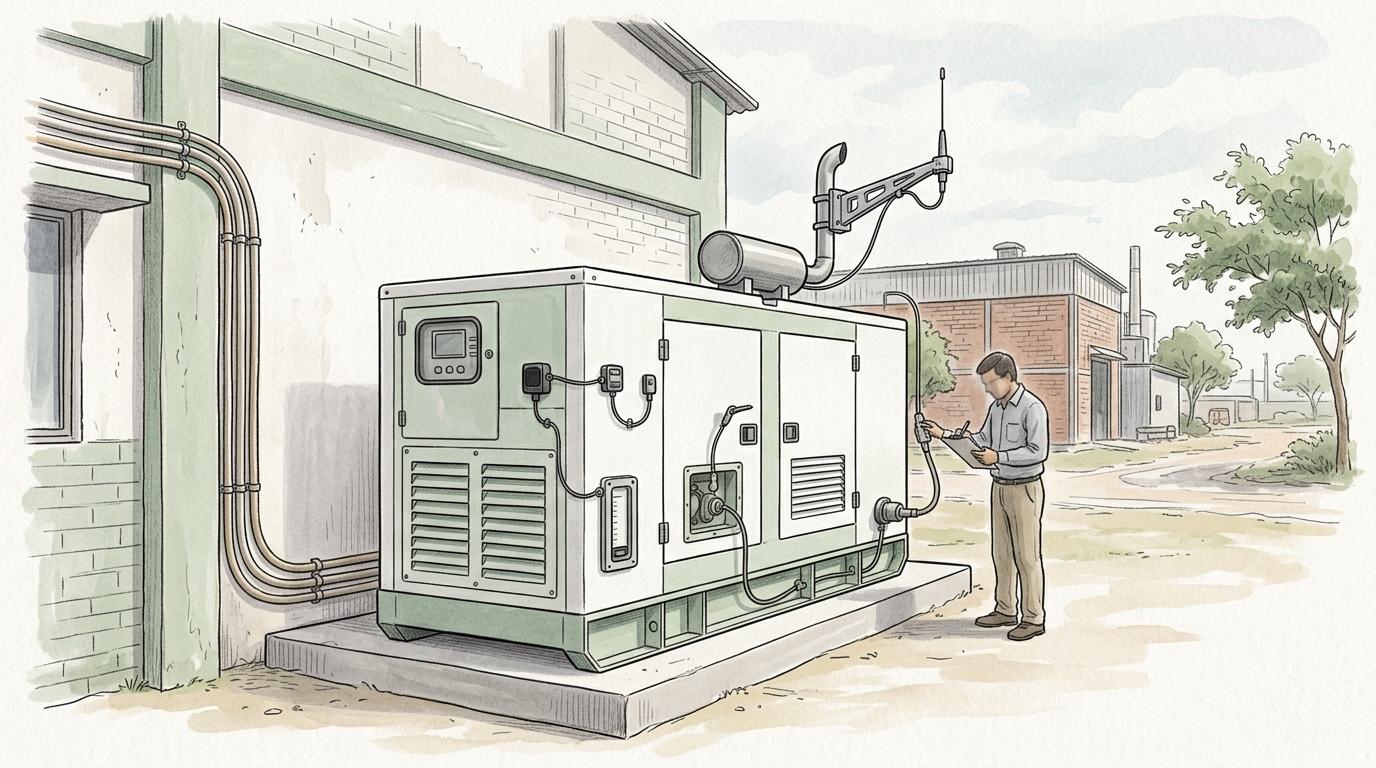
- Verify cellular network signal strength inside the acoustic enclosure or outdoor generator yard.
- Define critical alert thresholds for low fuel warnings, high coolant temperatures, and overcurrent conditions.
- Establish notification lists so duty electricians and facility managers receive alerts simultaneously.
- Agree in writing with the rental vendor on who responds to automated mechanical fault codes.
Commercial contracts vary widely regarding telemetry ownership and response obligations. Site managers should ask rental providers directly whether technical personnel monitor fault alerts remotely or whether response actions remain entirely with the site operations crew. Clarifying these responsibilities before deployment prevents confusion during unexpected power events.
Frequently Asked Questions About Generator Monitoring
Why is monitoring electrical load balance important for rented generators?
Uneven load distribution across three phases causes localized heating in alternator windings and creates voltage instability. Keeping phases balanced prolongs alternator life and prevents nuisance breaker trips on critical site machinery.
How does tracking running hours improve maintenance planning?
Accurate engine hours show site teams exactly when preventive maintenance tasks like lubrication renewal and filter replacements are due. This prevents running an engine past recommended service milestones during prolonged grid outages.
Can remote sensors detect fuel pilferage on business sites?
Continuous digital fuel sensors detect sudden drops in tank levels that occur while the engine is turned off or disproportionate fuel consumption rates during operation, alerting site supervisors immediately.
What voltage fluctuations should trigger an immediate investigation?
Any sustained deviation greater than standard site design tolerances, typically five to ten percent from nominal voltage, warrants an immediate check of automatic voltage regulator settings and site load profiles.
Does remote monitoring work during regional cellular signal loss?
Most modern telemetry controllers store operational logs locally on onboard memory buffers during network dropouts, transmitting the stored historical data to cloud dashboards as soon as cellular connectivity returns.
How should site managers agree on monitoring data with their rental provider?
Establish transparent access to the shared monitoring dashboard in the rental contract, allowing both the provider maintenance crew and site engineers to review real time run hours and fault logs without dispute.
Explore advanced IoT monitoring solutions for temporary power and commercial generators. Discover Remote Generator Monitoring