Monitoring
Generator Fuel Monitoring for Indian Workplaces
Learn how generator fuel monitoring prevents shutdowns, tracks consumption rates, and exposes unexpected diesel usage across Indian commercial facilities.
By BorrowBox ·
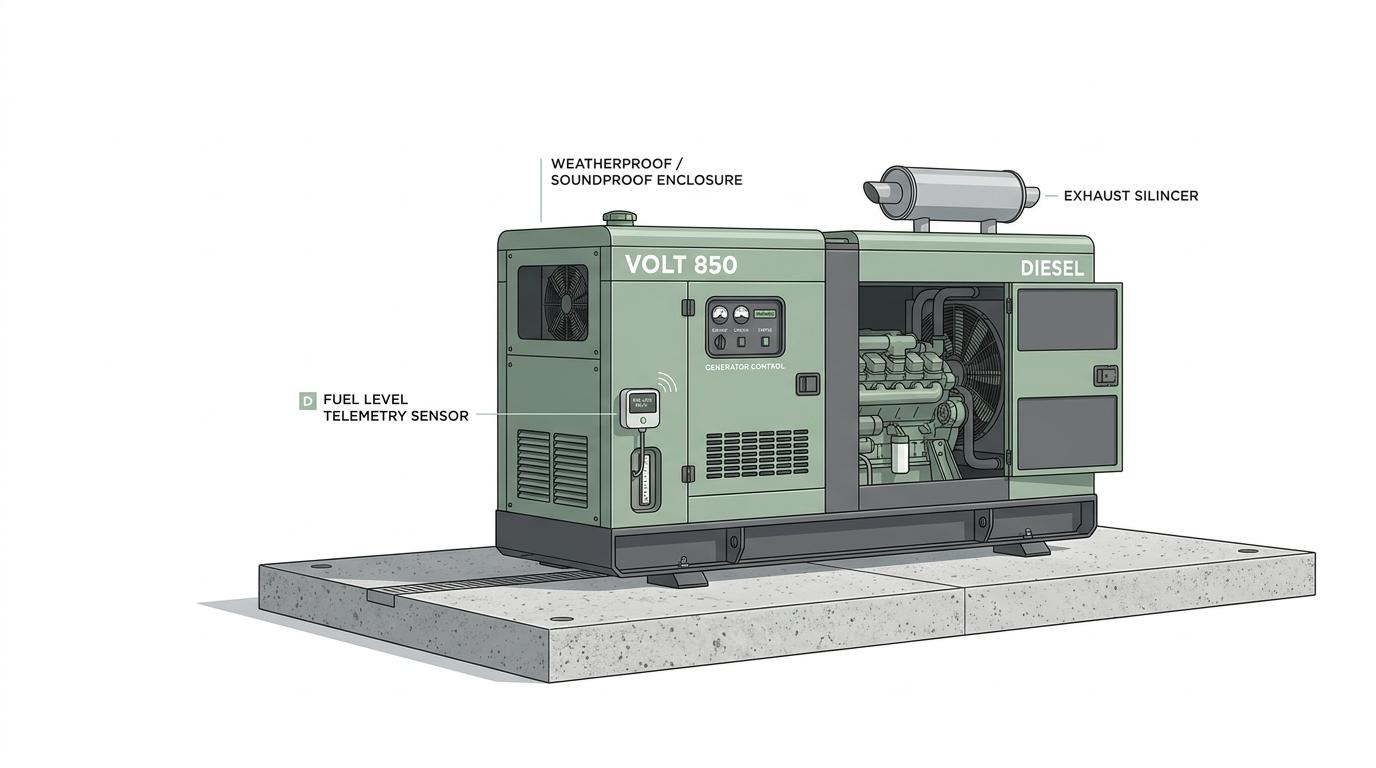
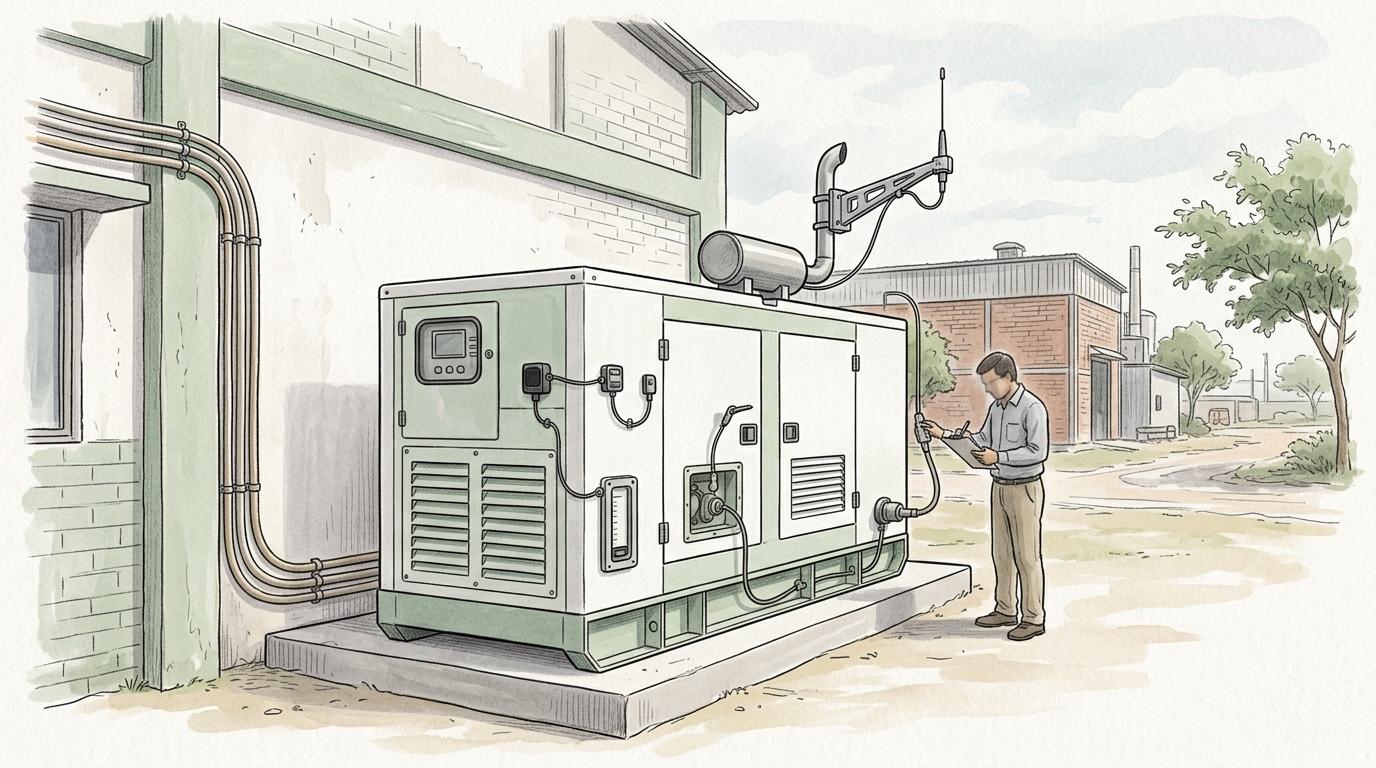
Generator fuel monitoring tracks available diesel volumes, ongoing burn rates, and tank filling events so commercial facilities can prevent sudden power shutdowns. By watching fluid levels through automated sensors, site managers correlate actual consumption with building electrical loads, spot unexplained losses from pipe leaks or fuel pilferage, and schedule deliveries before reserves hit minimum operating levels.
Operational Risks of Unmonitored Diesel Reserves
Diesel represents a major running expense during utility grid interruptions, infrastructure expansion, and seasonal peak operations in India. Depending entirely on scheduled manual dipstick checks creates blind spots in daily site operations. Staff shifts change, written logbooks miss gradual dips, and heavy monsoons or poor site access can cause teams to skip physical inspections.
When a diesel generator unexpectedly runs out of fuel, the resulting downtime extends well beyond a simple blackout. Drawing a fuel tank completely dry pulls residual sludge and particulate matter into fuel filters and injection pumps. Air frequently enters the fuel supply lines, requiring mechanical bleeding and manual priming before the unit restarts. Continuous visibility helps plant supervisors keep reserve levels above critical suction lines.
Spotting Abnormal Fuel Usage Patterns
A fundamental benefit of automated volume tracking is separating normal engine consumption from abnormal fuel drain. Digital telemetry platforms help establish expected burn rates based on generator capacity and current kilowatt output. When live tank readings diverge from expected performance, facility supervisors can investigate discrepancies without waiting for monthly utility reconciliations.
- Unexplained drops while the generator sits idle, pointing directly toward supply pipe leakage or unauthorised siphon activity.
- Variations between fuel supplier delivery slips and recorded tank volume increases during replenishment stops.
- Rapid burn rate increases under standard facility loads, which may indicate clogged air filters, failing fuel injectors, or mechanical friction.
- Gradual overnight volume decreases that suggest minor pipe weeping or tiny seam hairline fractures in bulk storage vessels.
Manual Dipping Compared With Telemetry Systems
Deciding between manual dipstick measurement and digital telemetry depends on site duration, tank geometry, and power criticality. While manual dipping avoids sensor capital expense, it provides only sporadic snapshots and cannot trigger alerts during active theft or sudden line leaks.
| Operational Factor | Manual Dipstick Measurement | Automated Sensor Telemetry |
|---|---|---|
| Observation Frequency | Periodic snapshots during shift handovers | Continuous live data streams across all hours |
| Leak or Theft Detection | Identified hours or days after the loss occurs | Identified rapidly when levels drop without engine load |
| Human Error Potential | Vulnerable to ruler angles and logging mistakes | Consistent readings from fixed digital sensors |
| Replenishment Audit | Demands supervisor presence at the tank inlet | Logs exact volume jumps before and after refuelling |
| Reporting Speed | Demands manual entry into site spreadsheets | Feeds operational dashboards and remote export sheets |
Fuel Logistics and Run Time Planning
Digital level tracking improves refuelling coordination across Indian industrial zones and construction corridors where traffic congestion and local supplier delivery schedules fluctuate. Running generators on crude estimations frequently causes sites to order replenishment too early, resulting in short loads, or too late, causing costly urgent callouts.
With accurate consumption tracking, procurement teams evaluate remaining runtime using live load conditions rather than arbitrary manufacturer assumptions. When heavy plant machinery starts and raises baseline electrical demand, telemetry shows the exact rate of burn acceleration, giving logistics teams sufficient notice to place supplier orders.
Technical Considerations Before Deploying Sensors
Before selecting a telemetry setup for rented or owned generators, review these technical and operational questions with your equipment provider:
- Confirm sensor compatibility with your fuel tank shape, verifying whether hydrostatic pressure probes, ultrasonic units, or capacitive rods suit the tank depth.
- Check how telemetry modules transmit data, specifically whether local cellular coverage is adequate or whether industrial gateway units are needed.
- Clarify alert configurations to confirm whether unexpected drop warnings arrive via SMS alerts, electronic mail, or an online operations console.
- Ask who manages sensor recalibration, probe cleaning, and replacement batteries on standalone sensor modules.
- Verify whether tracking data integrates into current enterprise software or remains confined to the telemetry vendor portal.
Frequently Asked Questions About Generator Fuel Monitoring
How does automated monitoring detect fuel theft on active sites?
The platform balances fluid volume changes against generator operating status. If sensors register a sudden level drop while the engine is resting or running under low electrical load, the software flags an abnormal event and dispatches notifications to site supervisors.
Can fuel monitoring sensors be installed on older generator models?
Yes, many modern fuel level sensors operate as standalone retrofit hardware. Hydrostatic pressure transmitters and non invasive ultrasonic sensors can mount to existing tanks without requiring electronic engine management control units.
What causes sudden spikes in fuel consumption under steady load?
Unusual consumption jumps frequently point toward internal mechanical inefficiency. Common issues include restricted air intake filters, worn fuel injectors that atomise diesel poorly, cooling system drag, or return line weeping.
How often should site personnel calibrate fuel level sensors?
Recalibration frequency depends on sensor technology, ambient temperature range, and site conditions. Many operators review sensor readings against metered fuel drops during quarterly maintenance visits or whenever a generator moves to a new site location.
Does telemetry operate when the generator is switched off?
Most telemetry hardware includes internal battery reserves or draws power from the generator starter battery. The device continues logging tank levels while the machine rests on standby, tracking diesel integrity between operational cycles.
Can level sensors identify contaminated diesel inside the tank?
Standard level sensors monitor volume rather than fuel quality. However, certain multi purpose probe systems incorporate bottom water detection sensors that identify water accumulation underneath the diesel layer, alerting operators before moisture reaches the primary fuel intake.
Explore remote IoT monitoring solutions for commercial generator fleets and site power assets. Explore IoT Monitoring