Monitoring
Generator Rental Health Monitoring for Site Power
Learn how generator rental health monitoring catches engine and electrical issues early to protect uptime across commercial facilities.
By BorrowBox ·
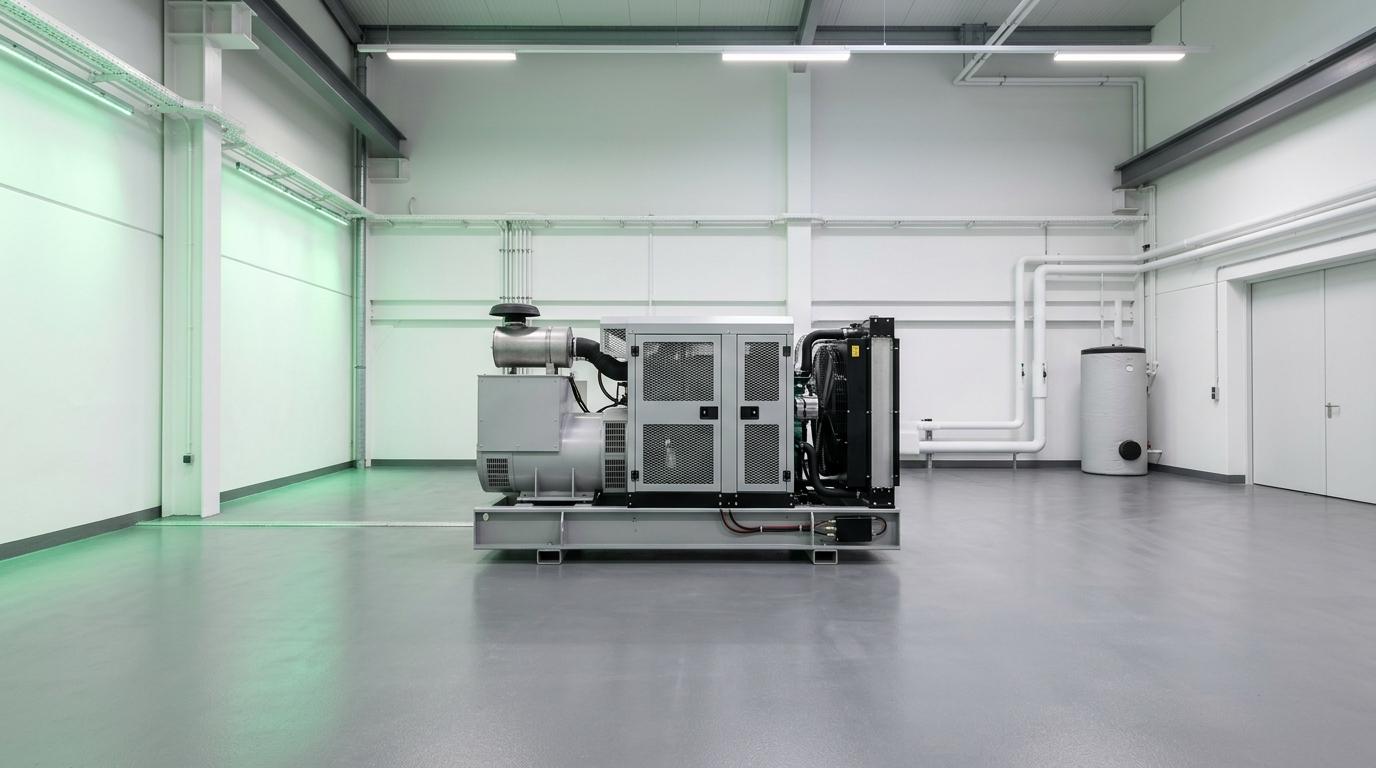
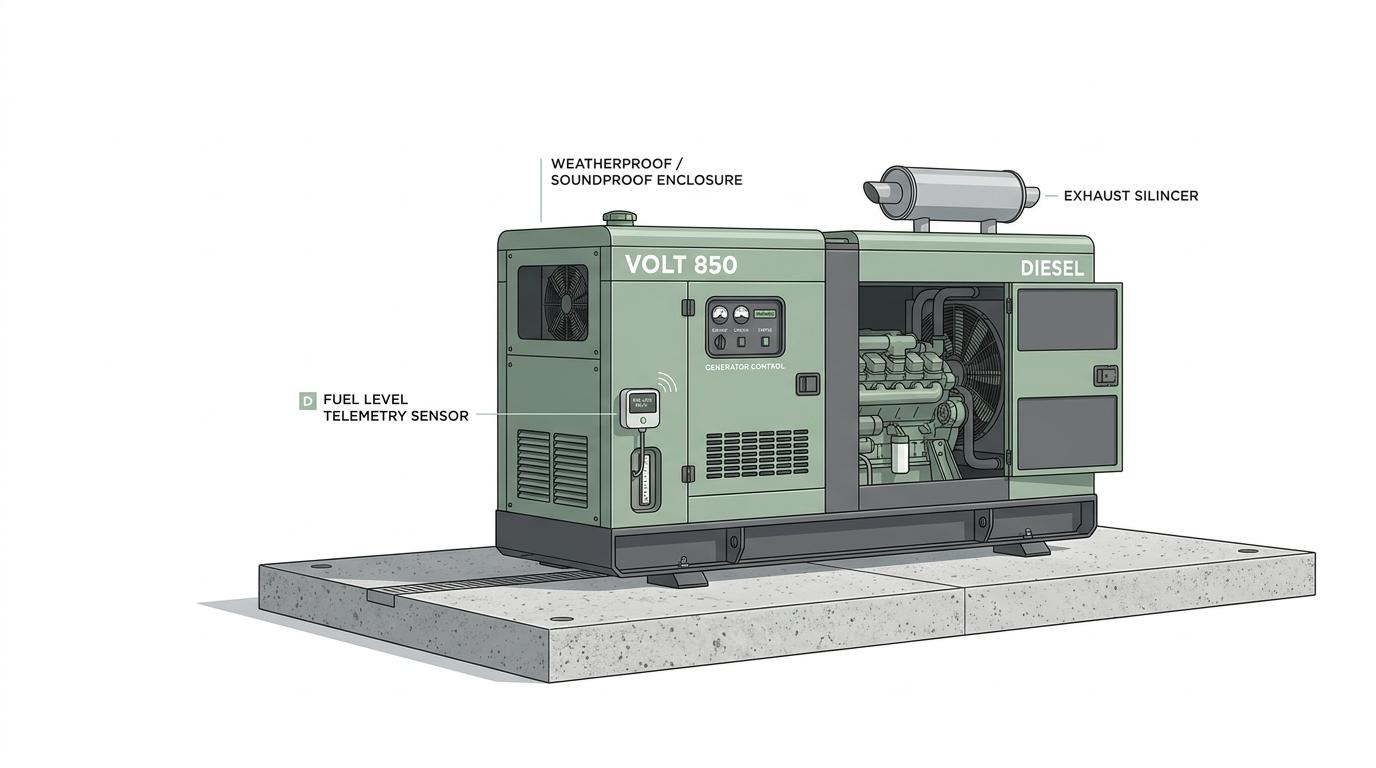
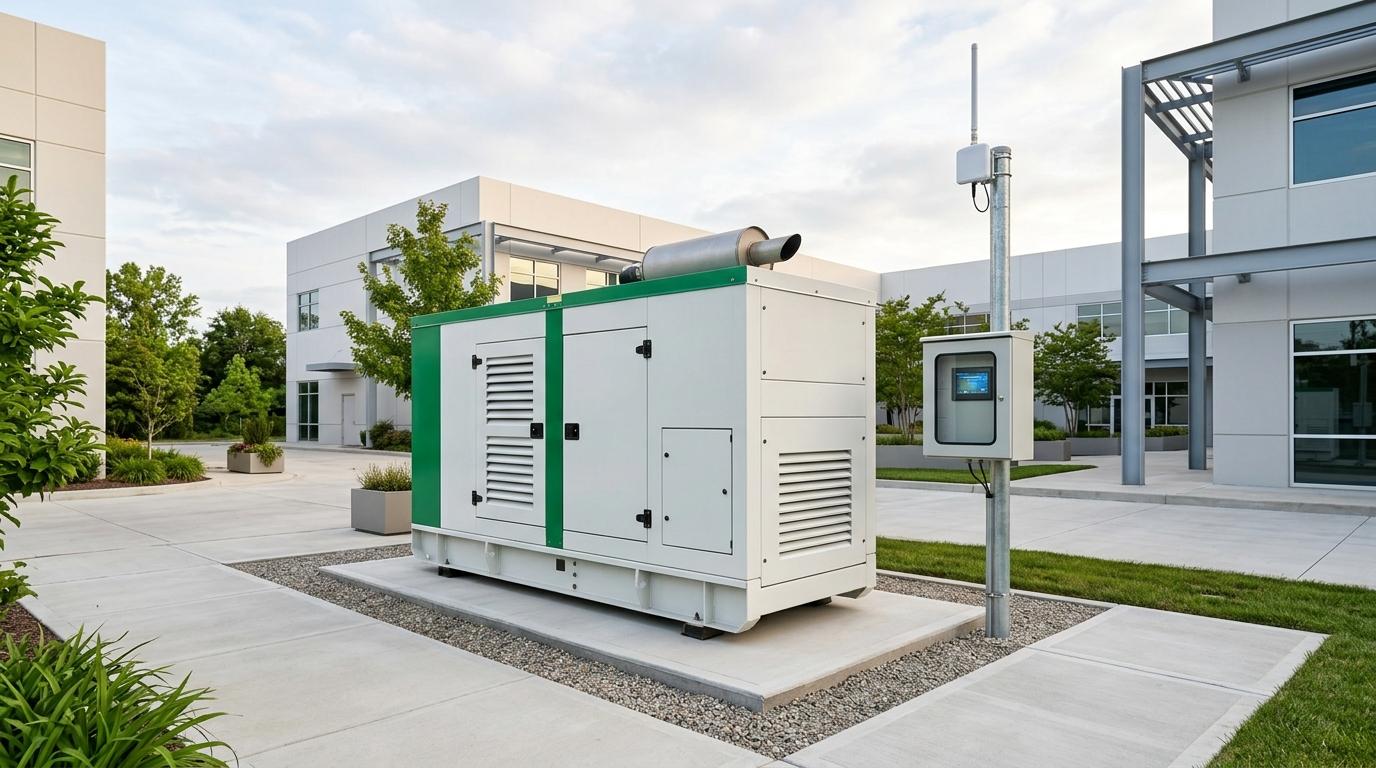
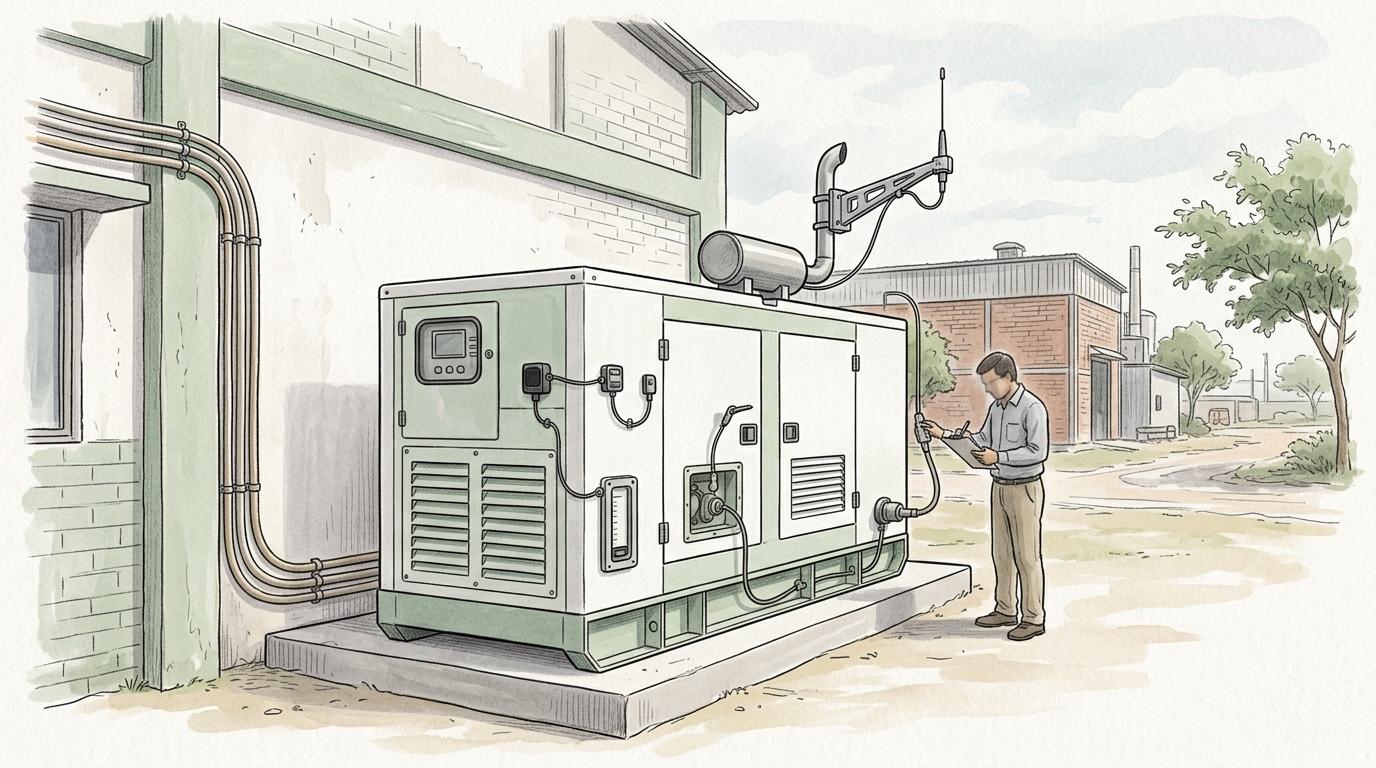
When managing a generator rental on a commercial site, tracking engine vitals and electrical output helps maintenance teams detect abnormal patterns before mechanical failure happens. Subtle shifts in lubricating oil pressure, cooling circuit temperatures, cooling water circulation, or starter battery charging voltage often emerge days prior to an unplanned engine shutdown. Continuous telemetry allows facility operators to observe deteriorating performance trends in real time. Instead of waiting for an alarm to trip the circuit breaker during peak production, plant engineers can schedule timely interventions during scheduled operational breaks.
Engine Signatures That Reveal Hidden Mechanical Wear
Diesel engines communicate mechanical distress long before catastrophic damage occurs. One primary indicator is lubricating oil pressure under sustained load. A gradual downward trend across consecutive operating cycles points toward oil thinning, filter restriction, or bearing surface degradation. Because emergency shutdowns trigger only after pressure drops past a dangerous minimum limit, relying solely on factory cutoff switches exposes your operations to severe engine damage.
Cooling loop dynamics provide another critical early warning sign. When jacket water temperatures rise steadily under constant ambient conditions and static electrical loads, the machine is signaling radiator blockage, coolant aeration, or failing thermostat control. Tracking temperature rise rates alongside ambient room conditions allows facilities to distinguish between normal seasonal heating and genuine thermal circulation deficits.
Electrical Output Variances That Signal Component Strain
Electrical parameters provide instant insight into alternator health and connected facility loads. Alternators operating near maximum rating generate heat within the stator windings. If thermal output climbs disproportionately against the kilowatt demand, internal insulation aging or cooling vent obstructions are often present. Catching elevated winding temperatures protects against catastrophic winding breakdown that requires full rewinding.
Voltage balance across all three phases is equally crucial for long machine life. Unbalanced electrical draws between phases cause reverse current flow and rotor overheating. When remote monitoring detects persistent phase deviations, operators can rebalance sub distribution panels before the generator rotor suffers thermal damage. Frequency instability also serves as an early indicator of governor hunting, fuel delivery restrictions, or turbocharger lag.
Diagnostic Matrix for Generator Health Parameters
| Parameter | Normal Baseline Behavior | Warning Sign | Operational Risk |
|---|---|---|---|
| Lubricating Oil Pressure | Stable pressure within manufacturer operating limits | Downward pressure drift under steady operating load | Bearing wear or oil pump mechanical failure |
| Coolant Temperature | Consistent temperature following warmup cycle | Creeping heat rise without change in electrical load | Radiator scale buildup or water pump cavitation |
| Alternator Winding Heat | Predictable heat rise proportional to current draw | Rapid thermal escalation at partial power output | Insulation deterioration or phase winding failure |
| Phase Voltage Balance | Symmetrical voltage readings across all three phases | Persistent voltage spread across lines | Rotor heating and motor load strain across site |
| Starter Battery Voltage | Constant float charge reading on standby | Sharp voltage plunge during engine cranking sequence | Failure to crank during utility power outage |
Practical Steps for Remote Health Tracking
Deploying effective telemetry requires moving beyond basic physical log sheets. On site personnel often record figures once per shift, missing momentary deviations and progressive micro trends. Setting up a structured tracking protocol helps technical teams catch irregularities before outages disrupt production.
- Review automated continuous telemetry feeds instead of relying exclusively on manual log entries
- Establish early warning notification levels that trigger well ahead of emergency shutdown setpoints
- Compare electrical load levels directly with fuel consumption to identify declining combustion efficiency
- Analyze battery voltage recovery speed following every test crank and actual grid interruption
- Inspect physical fuel lines and air filtration assemblies whenever exhaust gas temperatures vary unexpectedly
Connecting Telemetry Signals with Ongoing Maintenance
Predictive insights gain practical business value when linked directly with service workflows. When a monitoring system highlights an atypical vibration frequency or a subtle oil temperature escalation, maintenance teams can dispatch technicians with relevant diagnostic tools and candidate components. While sensor trends cannot replace thorough hands on engineering inspections, having operational context helps teams prepare for troubleshooting before visiting the machine.
Integrating performance data into annual service planning also creates clarity between facility managers and service contractors. Both parties review identical objective records, simplifying discussions around major overhauls, coolant flushes, and injector calibrations. For facilities running continuous shifts, data transparency keeps backup power equipment ready for operation without speculative spare part expenditure.
Frequently Asked Questions About Generator Health Tracking
Which generator parameters provide the earliest warning of engine trouble?
Lubricating oil pressure and coolant temperature curves provide the earliest signs of mechanical distress. Substantial fluctuations often appear hours or days before an engine crosses factory alarm thresholds.
Can monitoring detect electrical winding degradation before an alternator shorts out?
Tracking winding temperature against kilowatt load highlights thermal buildup caused by failing insulation or cooling fan issues well before an internal electrical fault trips the breaker.
How does phase load unbalance influence long term generator health?
Uneven loading between electrical phases forces negative sequence currents into the rotor, producing localized heat that damages rotor windings and degrades output power quality across connected site machinery.
Why is starter battery tracking critical for emergency backup generators?
A weak starter battery may indicate normal float voltage while resting but collapse completely during cranking. Continuous voltage tracking during start sequences catches battery deterioration before utility power drops.
How does digital telemetry assist maintenance budgeting?
Telemetry allows maintenance crews to investigate developing mechanical deviations such as restricted filters or cooling anomalies before those issues cause severe secondary damage to the engine core.
What action should site engineers take when oil temperature drifts upward?
Operators should verify cooling air flow, inspect the external oil cooler for debris, examine oil viscosity levels, and confirm that continuous operating demand matches the nominal rating of the machine.
Discover how BorrowBox helps commercial sites oversee generator health and asset performance. Explore BorrowBox IoT Monitoring