Fuel
Diesel Generator Rental Service Fuel Delivery Guide
Discover how a diesel generator rental service pairs with on site fuel delivery to simplify logistics, prevent downtime, and maintain steady facility power.
By BorrowBox ·
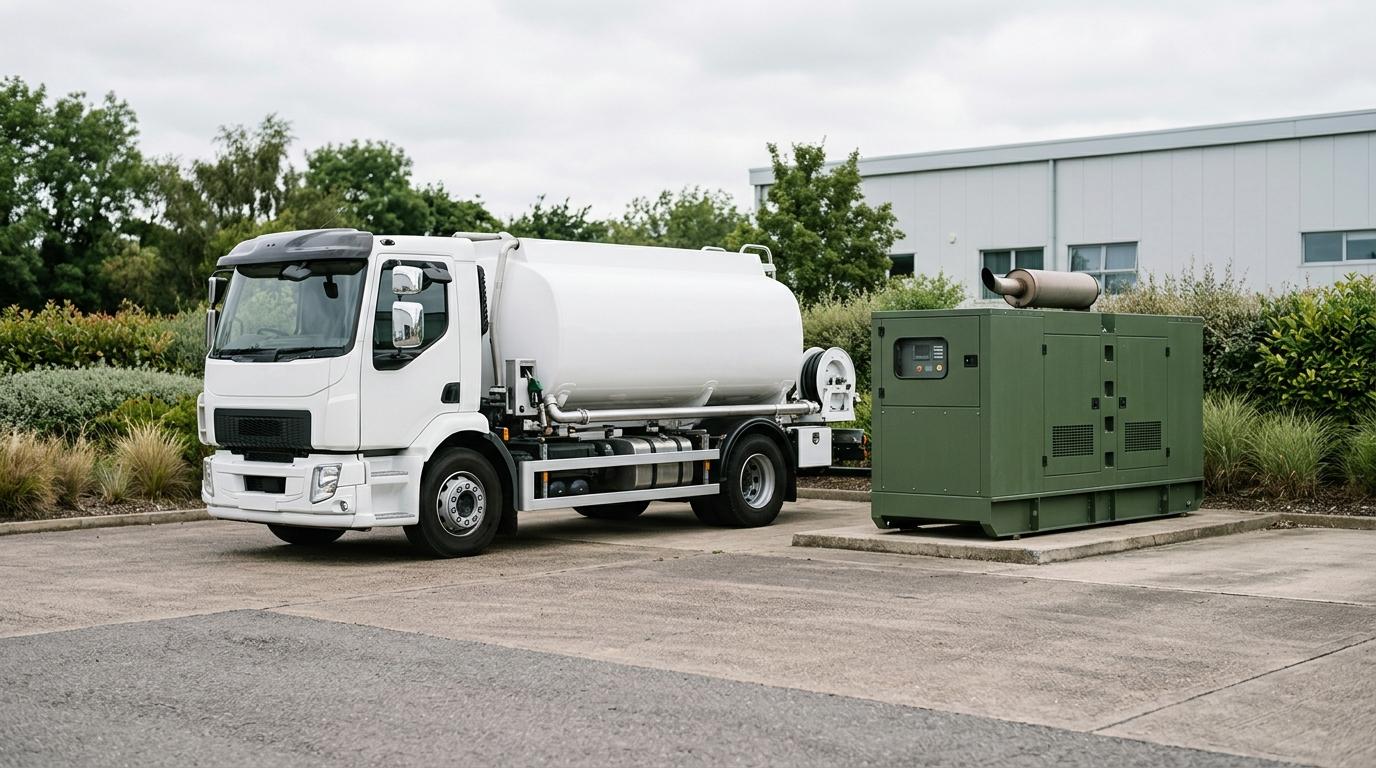
Pairing your diesel generator rental service with scheduled on site fuel delivery solves the logistical challenge of keeping temporary power running. When operating rental power equipment, fuel management determines whether your electrical backup remains dependable during grid outages. Rather than dispatching staff to off site retail stations with drums, doorstep refueling uses specialized tanker trucks that pump diesel straight into generator tanks. This operational model supports construction yards, industrial plants, corporate offices, and health centers by providing predictable fuel replenishments while letting site teams concentrate on their primary duties.
How On Site Fuel Delivery Operates for Business Generators
Direct fueling begins with reviewing the layout of your facility, your generator tank capacities, and expected burn rates. Once an operational routine or on demand request is established, a mobile bowser truck travels to your location. Delivery technicians verify parking positions, confirm generator fuel levels, and connect dispensing hoses directly to base tanks or external bulk storage units.
Because every commercial property operates under distinct access requirements, deliveries coordinate with existing gate routines. Bowser visits can take place during night shifts to avoid interfering with daytime transport corridors or during standard operating hours when maintenance supervisors are available to verify meter readings. Calibrated flow meters record the dispensed quantity on digital dockets, creating a transparent record for plant managers.
Logistical Drawbacks of Manual Fuel Procurement
Procuring diesel through commercial retail pumps introduces physical friction and administrative overhead that grow over time:
- Allocating utility vehicles and company drivers to queue at retail outlets
- Decanting fuel manually from small containers with heightened spill hazards
- Reconciling multiple petty cash receipts, driver allowances, and credit cards
- Risk of unexpected generator starvation when procurement cannot keep pace with heavy site usage
- Potential fuel contamination caused by loose debris or moisture inside portable storage drums
Direct Fuel Delivery Compared with Manual Barrel Handling
Examining direct mobile refueling alongside conventional drum handling illustrates significant differences across operational tracking, fuel hygiene, and workforce allocation.
| Operational Aspect | Direct On Site Delivery | Manual Drum and Jerry Can Handling |
|---|---|---|
| Labor Requirements | Minimal facility involvement beyond gate clearance and electronic receipt sign off | Substantial staff hours spent traveling to stations, loading drums, and manual decanting |
| Volume Accounting | Automated digital receipts generated by calibrated commercial flow meters | Manual dipstick approximations and paper chits with frequent bookkeeping variances |
| Fuel Purity | Closed hose delivery from dedicated bowsers directly to the tank inlet | Exposure to outdoor dust, sand, and rainwater during manual funnel pouring |
| Spill Management | Commercial dispensing nozzles equipped with automatic shut off valves | Open pouring using standard funnels creating frequent splashing and overflow issues |
| Site Schedule Disruption | Prearranged delivery windows timed around low traffic facility hours | Unscheduled procurement runs that pull ground workers away from core activities |
Sector Considerations for Fuel Delivery Integration
Different commercial environments have distinct operational requirements that dictate how fuel logistics should be organized:
Construction Projects and Infrastructure Works
Civil engineering projects often relocate generators across shifting project zones. Moving heavy power units back to a central fuel depot disrupts active tasks. Dedicated mobile bowser access keeps earthmoving equipment backup, lighting masts, and tower crane generators fueled where they stand, avoiding equipment relocation.
Commercial Facilities and Corporate Offices
Office complexes and technology centers prioritize unbroken electrical continuity for server banks, chillers, and building control systems. Scheduled fuel delivery allows property teams to keep day tanks full ahead of weather disruptions or utility maintenance, removing the need to carry liquid fuel through parking garages.
Manufacturing Plants and Warehouses
Continuous production lines often experience substantial financial losses during sudden electrical interruptions. Doorstep refueling helps reduce the demand for holding extensive fuel stockpiles on the factory floor, giving facility managers the ability to schedule replenishment deliveries around planned production shifts.
Site Readiness Checklist Before Bowser Dispatch
Before scheduling mobile delivery for your generator equipment, confirm these site conditions with your operational team:
- Adequate roadway widths, gate clearances, and turning radii for mobile bowser trucks
- Unobstructed hose pathway from the truck parking spot to the generator fuel fill cap
- Working fuel level gauges or dipsticks on each generator tank to calculate required volumes
- Established gate pass procedures and security clearances for visiting fuel drivers
- Designated facility staff member assigned to supervise delivery and sign off on dispensed volume
Frequently Asked Questions
Can fuel be delivered while a rental generator is running?
Refueling practices depend on equipment layout and local facility rules. Many operations pause the generator temporarily during refueling to reduce thermal risks, while installations with external bulk tanks or separate day tanks may support continuous operation. Confirm your site procedure with your equipment technician.
How do mobile bowsers measure delivered diesel volume?
Mobile bowsers typically feature calibrated positive displacement flow meters or digital mass flow meters. These dispensers record volume accurately and print digital delivery slips, helping maintenance personnel reconcile delivered fuel against recorded engine operating hours.
What site access permissions do delivery vehicles require?
Industrial zones and business parks often mandate advance entry registration, driver identification details, and vehicle documentation. Providing these details to security teams prior to bowser arrival avoids gate delays and keeps refueling routines on schedule.
How do closed delivery systems protect diesel quality?
Commercial bowsers pump fuel through sealed transfer hoses equipped with internal filtering elements. This closed loop approach prevents contact with ambient dust, rain, and loose contaminants that frequently enter diesel when open drums are decanted with portable funnels.
Do fuel delivery providers impose minimum order quantities?
Order minimums depend on supplier agreements, vehicle sizes, and delivery regions. Some providers accommodate top ups for single generator units, while others set minimum thresholds per trip. Discuss order policies with fuel vendors to align deliveries with your tank capacities.
How can facility teams forecast when to reorder generator fuel?
Teams can estimate consumption by tracking generator load factors alongside operating hours or by inspecting tank levels regularly. Establishing a reorder point when tank capacity reaches a predetermined level provides adequate lead time to arrange the next delivery before fuel runs low.
Discover dedicated on site diesel delivery options to support your temporary power equipment and avoid refueling delays. Explore On Site Fuel Delivery Solutions