Fuel
Generator Refuelling Guide for Business Sites
Plan generator refuelling workflows, calculate reorder thresholds, and coordinate safe diesel deliveries to prevent unexpected commercial downtime.
By BorrowBox ·
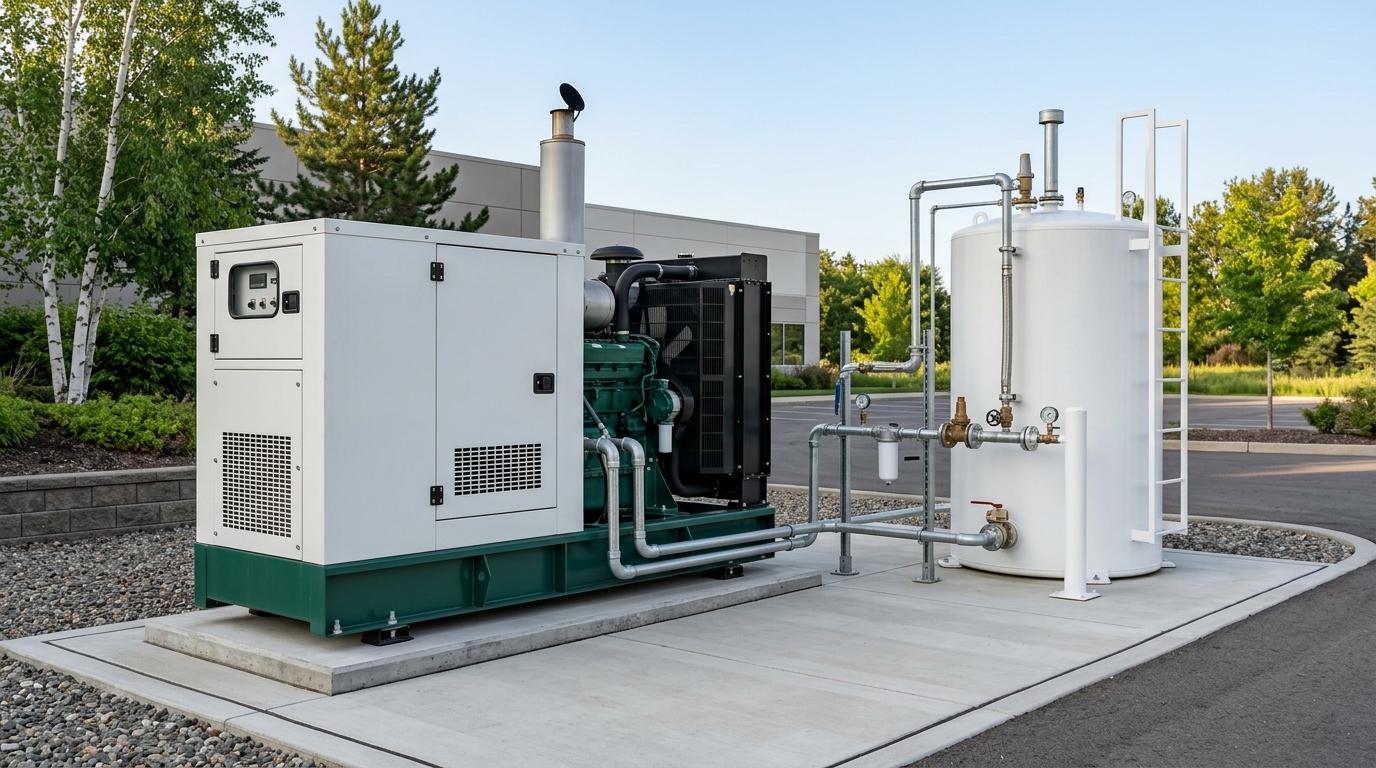
Generator refuelling is the disciplined operational procedure of tracking diesel inventory, calculating replenishment triggers, and receiving fuel transfers before storage levels compromise power generation. Commercial facilities across India depend on backup generators during grid instability, seasonal grid stress, and planned utility outages. Treating fuel replenishment as a structured routine rather than an urgent response protects sensitive fuel injection systems, limits unexpected outages, and keeps site overhead predictable. A dependable approach requires setting clear reorder thresholds, enforcing physical safety protocols during intake, and establishing clear communication with diesel suppliers.
Operational Risks of Running Diesel Tanks Low
Operating commercial diesel generators on depleted tanks introduces substantial mechanical and electrical hazards. Atmospheric temperature swings cause condensation to accumulate inside bulk storage and day tanks. Over weeks of operation, water gathers at the bottom of the vessel alongside microscopic dust and degraded fuel sludge. When fuel volume drops near the bottom intake level, suction lines draw this concentrated sludge into inline fuel filters, water separators, and delicate injection nozzles.
Choked filters starve the combustion chamber, resulting in sudden engine cutoffs under active electrical load. Even after emergency fuel arrives, restarting a completely drained diesel generator often requires bleed procedures to clear trapped air from the high pressure fuel lines. These manual interventions consume technician time and extend site darkness. Maintaining a consistent buffer keeps fluid intake well above sediment layers, reducing wear on transfer pumps and injectors.
Establishing an On Site Generator Refuelling Workflow
A standard refuelling workflow establishes definite duties before, during, and after diesel intake. Facilities benefit from treating fuel transfers with the same rigour applied to transformer maintenance or switchgear inspections. Documenting responsibilities assists site crews and visiting fuel tanker drivers in maintaining safe transfer conditions.
- Level verification: Inspect mechanical sight glasses, dip rods, or remote sensors across every shift to record true consumption and identify sensor discrepancies.
- Reorder notification: Issue purchase requests as soon as diesel volume touches the designated threshold rather than waiting for low level alarms.
- Site access preparation: Clear vehicular pathways to the intake station, clear debris, stage spill containment drums, and confirm accessible fire protection gear.
- Monitored intake: Connect earthing bonding leads prior to opening fill ports, oversee pumping with calibrated flow meters, and watch breather vents.
- Volume reconciliation: Log received diesel amounts, generator operating hours, and post fill levels in site ledgers to highlight unexpected burn spikes.
Calculating Fuel Reorder Thresholds
Establishing an operational reorder point requires balancing average fuel burn against expected supplier dispatch timeframes. Relying on an arbitrary quarter tank mark exposes commercial operations to unexpected delays caused by road traffic, seasonal monsoons, or supplier stock constraints.
Facility engineers calculate replenishment thresholds using three qualitative operational factors: the expected burn rate under standard facility demand, the realistic vendor dispatch and transit window, and a dedicated contingency reserve. Instead of guessing delivery durations, facility managers review historical supplier performance during peak traffic hours. Factoring in extra hours of operational cushion protects critical services if a delivery vehicle meets unforeseen road congestion.
Generator Refuelling Strategies Across Operating Demands
Different facility profiles demand distinct refuelling frequencies and storage buffers to maintain uninterrupted continuity.
| Facility Profile | Operating Demand | Suggested Reorder Point | Replenishment Approach |
|---|---|---|---|
| Continuous Manufacturing | Constant hourly electrical draw | Forty five to fifty percent tank level | Scheduled periodic bulk deliveries based on run hours |
| Peak Load Support | Intermittent heavy load during tariff spikes | Thirty five to forty percent tank level | Regular replenishment with on call dispatch agreements |
| Standby Commercial Facility | Unscheduled draw during power grid failures | Fifty to sixty percent tank level | Routine inventory validation with scheduled top ups |
| Remote Industrial Outpost | Fluctuating load with difficult transport access | Sixty to seventy percent tank level | Dedicated bulk auxiliary storage and planned batch orders |
Safety Protocols and Spill Prevention During Transfer
Diesel transfers introduce fire and environmental contamination concerns that require careful containment protocols. Facility operating rules should specify whether cold refuelling with stopped equipment is mandatory. Whenever operational demands permit, turning off the generator removes hot turbocharger surfaces and exhaust manifolds from the immediate vicinity of fuel vapours.
Static electricity poses a continuous hazard during fuel pumping. Pumping diesel creates friction within distribution hoses and nozzle fittings. Delivery drivers and site handlers must attach an electrical bonding clip between the fuel tanker chassis and the generator frame before uncapping the fill pipe. This connection dissipates static charge and limits potential spark creation near fuel fumes.
Secondary containment bunds around day tanks and bulk storage units must remain free of rainwater, which decreases effective containment space. Spill kits containing absorbent booms, non sparking tools, and dry sand should remain stationed beside intake valves. Furthermore, operators avoid filling storage vessels above ninety five percent capacity. Leaving thermal expansion space prevents diesel from overflowing through breathers during intense midday heat.
Questions to Confirm with Commercial Fuel Providers
Before finalizing a diesel replenishment agreement, operational teams should clarify commercial terms and logistics capabilities with candidate vendors.
- What average lead times apply between purchase confirmation and physical site delivery during regional peak traffic hours?
- Do your delivery vehicles operate calibrated digital meters that site personnel can inspect before discharge?
- What emergency response agreements apply if prolonged grid outages increase local fuel consumption beyond normal forecasts?
- Can your delivery crew share batch test reports or density measurements upon delivery at our facility?
- What secondary containment and spill containment equipment do your tanker operators carry as standard gear?
Frequently Asked Questions About Generator Refuelling
What tank level should trigger an order for generator refuelling?
Most commercial facilities trigger replenishment orders when tanks reach thirty five to fifty percent capacity. This volume leaves an ample buffer for supplier transport windows and prevents drawing debris from the bottom of the fuel tank.
Why is running a diesel generator out of fuel harmful?
Running completely out of fuel pulls air into the fuel injection network, requiring technician intervention to bleed the system before the engine restarts. Settled sediment also enters fuel filters, creating blockages.
Can a diesel generator be refuelled while running?
Refuelling while running increases fire hazards because of hot engine components and vibration. Most site safety standards prefer cold refuelling with stopped engines unless auxiliary remote bulk transfer systems are installed.
How can site personnel verify the quality of delivered diesel?
Staff can collect a sample in a clean transparent glass container from the nozzle before transfer. Clear diesel without visible haze, suspended particles, or separate water lines indicates acceptable condition.
Why should fuel tanks not be filled completely to the top?
Filling beyond ninety five percent capacity leaves no room for thermal expansion. High daytime temperatures cause diesel to expand, which can push fuel through breather vents and create site fire hazards.
How often should standby generator fuel be monitored?
Standby storage tanks should receive weekly visual level checks and periodic contamination testing. Regular checks confirm whether moisture condensation is gathering and verify that automated level sensors display accurate quantities.
Review commercial diesel supply options and automated delivery schedules to support your facility backup power requirements. Explore commercial fuel delivery options