Fuel
Generator Rental Fuel Management for Business Sites
Manage fuel for your generator rental to avoid unplanned downtime. Learn reorder thresholds, consumption factors, and delivery planning.
By BorrowBox ·
Operating a generator rental successfully during a power outage depends entirely on having fuel available when the engine needs it. Businesses often secure temporary power units only to discover that fuel supply logistics present the greatest operational bottleneck during extended grid failure. Managing diesel replenishment requires an accurate understanding of consumption patterns under varying electrical loads, realistic supplier turnaround estimates, and clear minimum fuel reserve thresholds. By treating fuel as a central component of standby power planning rather than an afterthought, facility managers can maintain uninterrupted operations across factory floors, logistics hubs, and commercial complexes without experiencing sudden shutdowns.
Estimating Fuel Consumption Across Varying Load Profiles
Fuel burn rates inside industrial generators change substantially depending on the percentage of total electrical capacity drawn by connected equipment. An engine running at one quarter capacity uses considerably less diesel per hour than an identical unit operating at prime or peak load. When calculating fuel demand for a generator rental deployment, project managers should look at peak utility requirements alongside average operational loads rather than relying strictly on nominal nameplate figures.
Environmental variables such as ambient air temperature, altitude, and ventilation efficiency inside enclosure spaces also influence combustion efficiency. Facilities running continuous industrial cooling, process heating, or heavy motor starting loads frequently experience rapid spikes in fuel consumption. Documenting historical load graphs or consulting project engineering teams helps establish realistic litres per hour benchmarks. This data forms the baseline calculation necessary to calculate how many operating hours exist inside the onboard day tank before replenishment becomes urgent.
Establishing Practical Reorder Thresholds to Avoid Downtime
A generator engine must never run completely dry. Drawing fuel from the bottom of an empty tank pulls settled particulates, water condensation, and air bubbles into fuel lines and injection nozzles, causing air locks and mechanical stoppage that require technical bleeding before restart. Setting a strict reorder point preserves a necessary safety margin against unexpected logistics delays.
Many commercial operations define their reorder threshold at forty to fifty percent of total usable storage capacity. This margin accounts for transport bottlenecks, regional fuel distribution delays, and extreme weather events that hinder delivery trucks from reaching facility intake points. Lead time planning must also consider supplier scheduling constraints. A delivery window that appears rapid during calm operational periods may expand significantly during wide area grid collapses when commercial demand surges simultaneously across entire business parks.
Generator Fuel Delivery Logistics and Planning Approaches
Selecting the right replenishment method depends on your operating schedule, storage permissions, and facility layout. The table below outlines common fuel supply approaches for business sites using temporary or prime power equipment.
| Strategy | Operational Advantages | Key Site Considerations |
|---|---|---|
| Scheduled Routine Replenishment | Predictable delivery schedules that maintain steady tank levels without daily manual orders | Requires consistent predictable load profiles to prevent overfilling or underfilling |
| Automated Remote Monitored Delivery | Fuel dispatch triggers automatically when tank sensors cross preset low level thresholds | Requires compatible telemetry hardware and cellular signal reception at the generator location |
| On Demand Emergency Dispatch | Flexible ordering model suitable for sporadic short duration power backup needs | Carries risk of extended supplier wait times during regional power disruptions |
Practical Strategies to Secure Site Fuel Storage
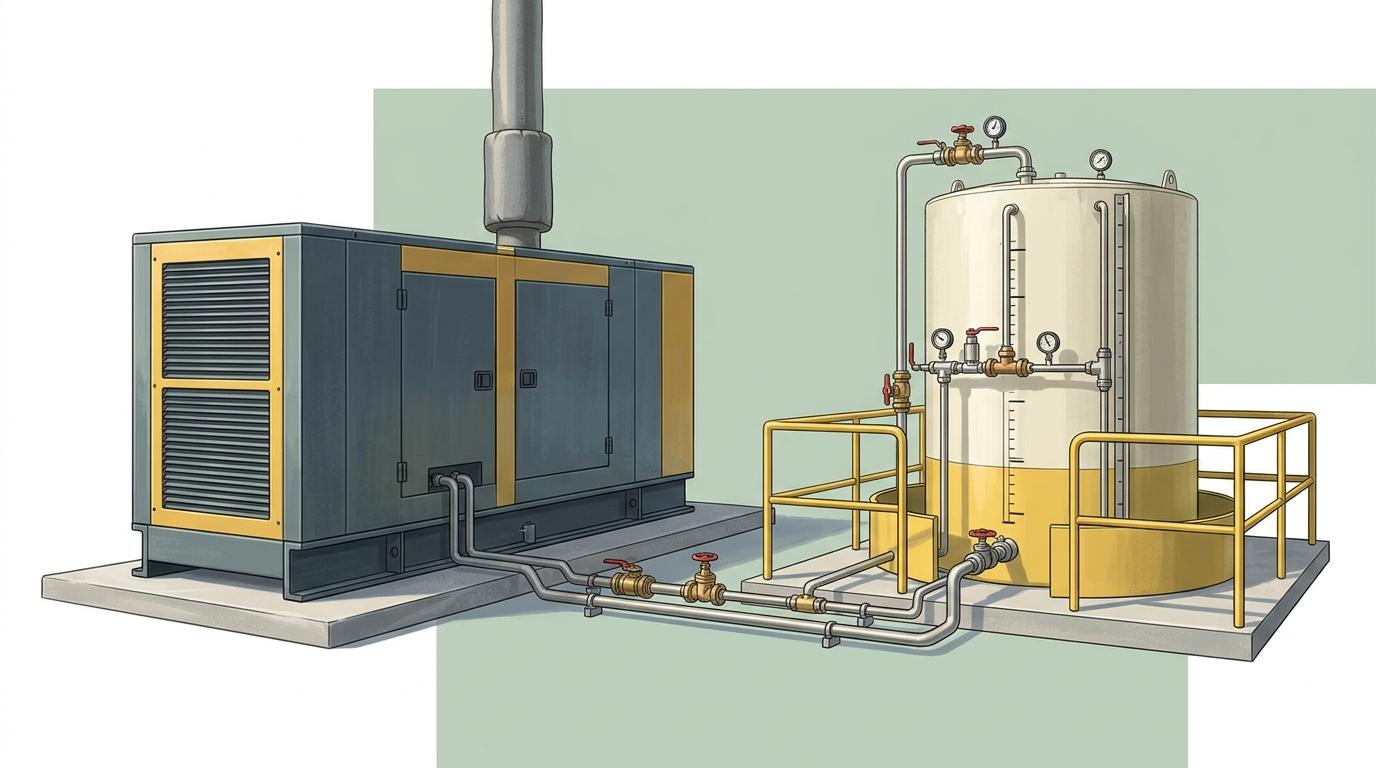
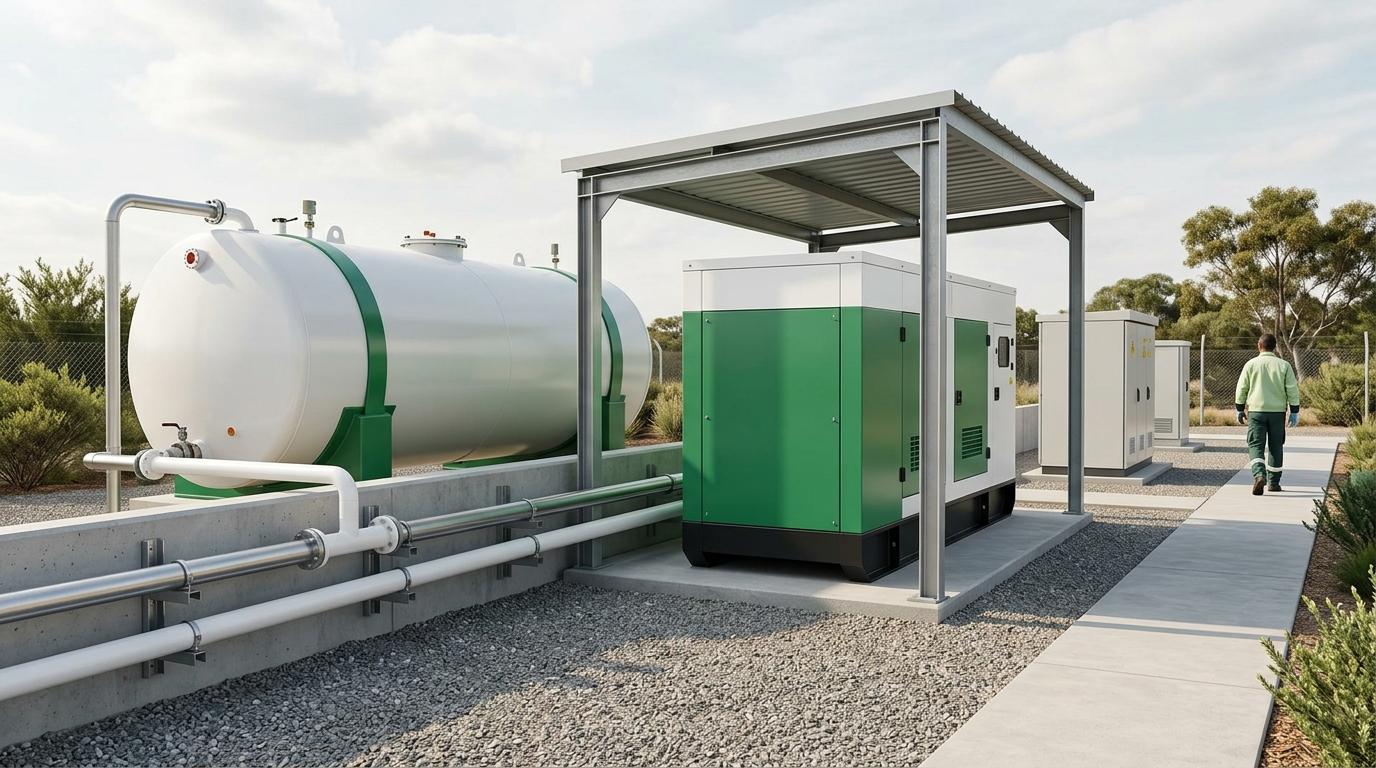
Commercial sites operating multiple pieces of equipment often deploy external auxiliary tanks connected to the primary generator via external supply lines. When utilizing auxiliary fuel storage, facility teams must verify spill containment provisions, proper grounding to prevent static buildup, and secure positioning away from heavy vehicle traffic routes.
Fuel quality maintenance is another critical priority for long term standby readiness. Diesel fuel stored within stationary tanks over long periods is subject to moisture accumulation, bacterial growth, and chemical degradation. Facilities should inspect fuel clarity, check for water separation at tank bottoms, and rotate stored volumes through regular generator testing cycles. Working closely with fuel providers to test diesel cleanliness minimizes injector clogging and keeps standby equipment operational when primary grid feeds fail.
Frequently Asked Questions About Generator Fuel Delivery
How does electrical load alter diesel consumption in a generator rental?
Diesel engines increase fuel injection volume as electrical demand climbs. A generator operating at full capacity burns considerably more fuel per hour than one running at half load. Accurate consumption planning requires monitoring real load measurements rather than relying solely on standard idle or baseline figures.
At what fuel tank level should a business request fuel delivery?
A common operational practice involves placing orders when storage levels drop between forty and fifty percent. This buffer reduces the possibility of running out during supplier transit delays and stops fuel lines from drawing sediment from the tank floor.
Why do generator shutdowns happen despite fuel delivery contracts?
Outages often occur because delivery requests were placed too late, regional grid events overwhelmed local tanker availability, or physical site access barriers prevented delivery vehicles from reaching fuel inlets safely during nighttime hours.
Can diesel fuel spoil if left inside a generator tank for several months?
Yes, diesel can degrade over time due to temperature fluctuations, moisture condensation, and microbial contamination. Regular inspection, tank drainage of water bottoms, and scheduled fuel turnover help keep fuel suitable for emergency engine starts.
What site factors can delay incoming fuel tanker deliveries?
Tanker delays frequently arise from narrow access roads, unpaved terrain damaged by heavy rains, strict industrial gate security clearance protocols, or lack of proper unloading hoses and transfer fittings compatible with the site tank.
Is auxiliary external fuel storage needed for all commercial generators?
Auxiliary storage is usually recommended for operations running continuously for multiple days or critical sites that cannot tolerate delivery gaps. Standard short duration standby units often rely solely on integrated base tanks if regular replenishment is readily accessible.
Plan reliable fuel schedules and bulk delivery options for your commercial generators with BorrowBox. Explore generator fuel delivery services