Maintenance
Generator Preventive Maintenance Guide for Businesses
Learn how generator preventive maintenance schedules and planned checks prevent costly breakdowns across commercial sites in India.
By BorrowBox ·
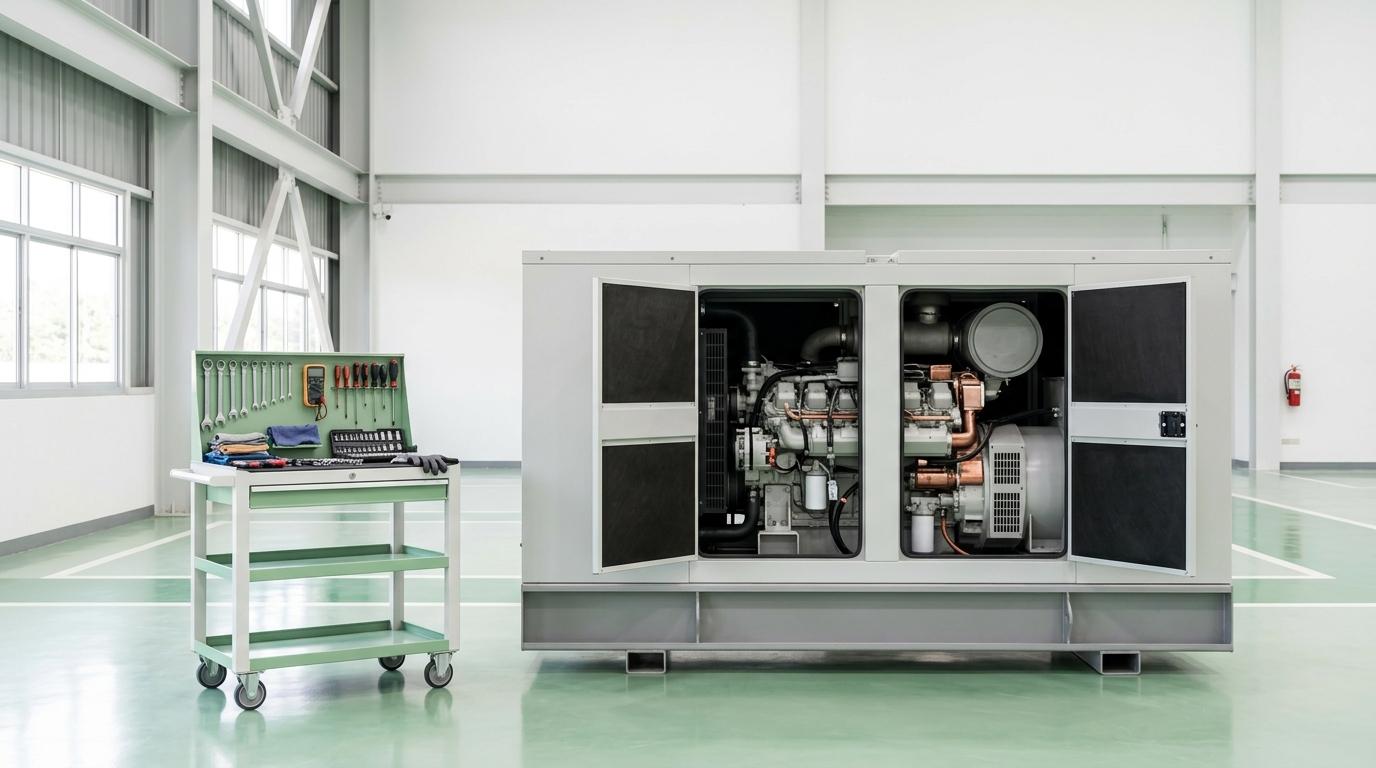
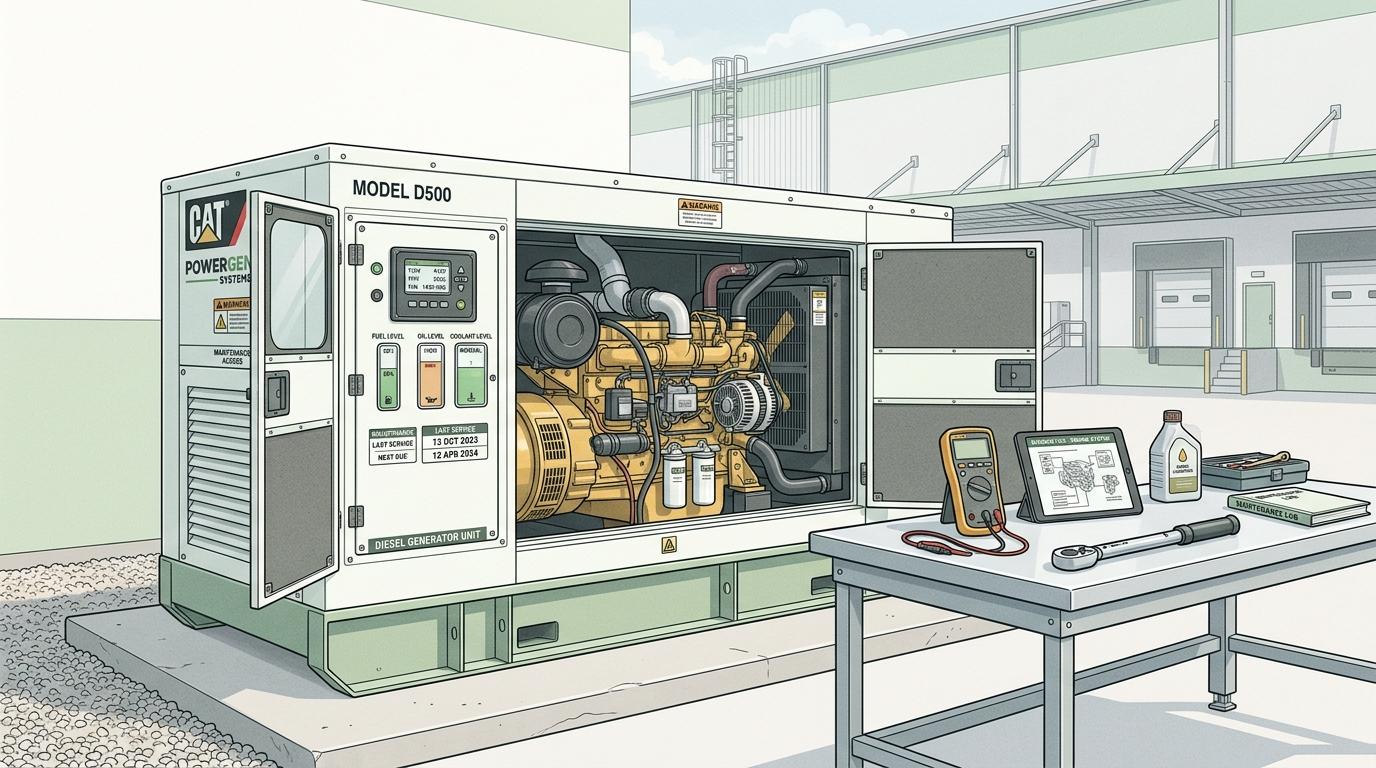
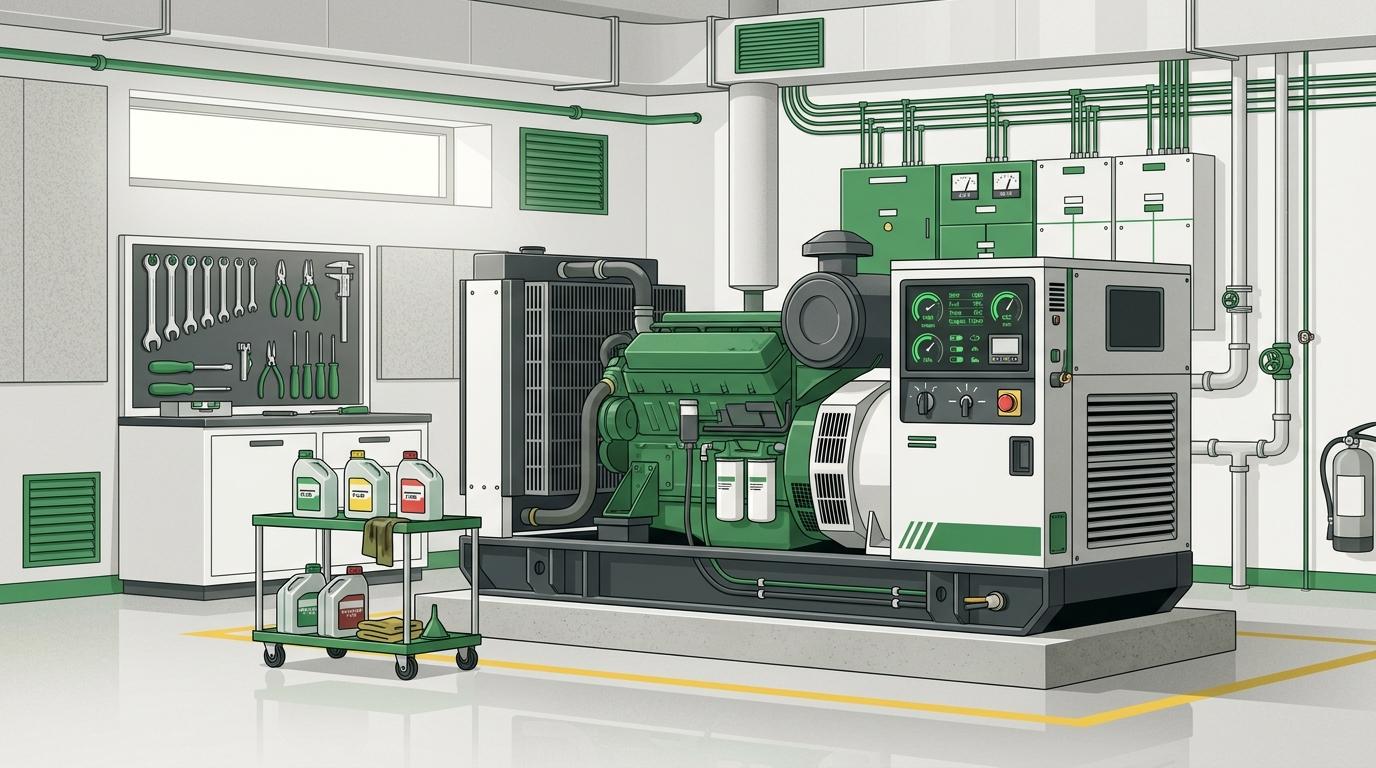
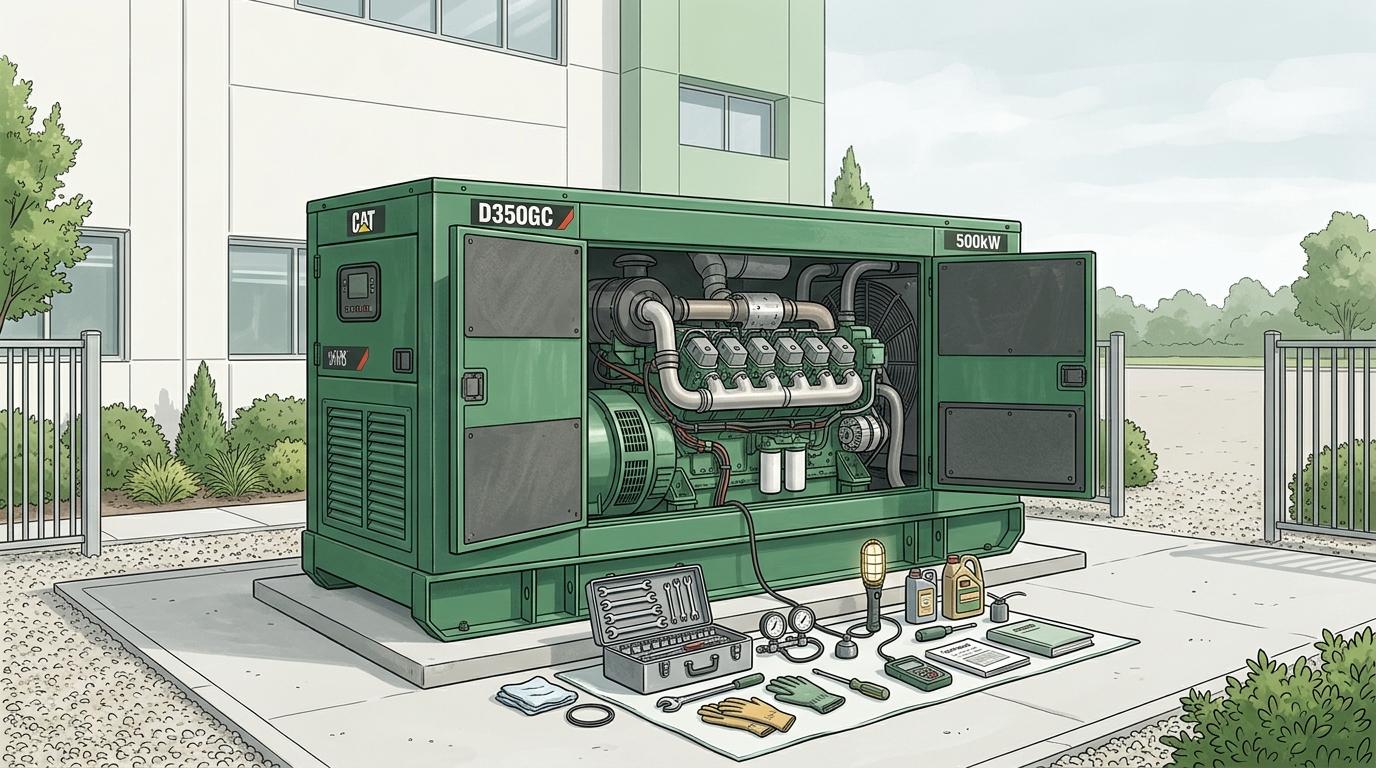
Generator preventive maintenance is the practice of conducting scheduled inspections, fluid servicing, and component adjustments to keep a power backup system reliable before faults occur. For commercial facilities, industrial units, and infrastructure sites across India, waiting for equipment to fail creates unpredictable operational disruptions and inflated repair expenses. A structured maintenance routine keeps engines operating within normal parameters, catches minor wear early, and extends the operational lifespan of critical power assets.
The Real Expense of Reactive Generator Repairs
Many facility teams treat standby power on an out of sight, out of mind basis until grid failure exposes an unaddressed engine defect. Emergency repairs almost always cost substantially more than planned routine visits. Sourcing emergency components on short notice leads to expedited freight charges and premium labour rates. When a prime power unit breaks down during production hours, manufacturing delays and idle staff compound those direct machinery costs.
Secondary component failure represents another hidden risk of deferred care. A clogged oil filter or degrading coolant mix rarely stays an isolated issue for long. Over time, poor lubrication or thermal buildup damages pistons, cylinder liners, and turbochargers. What began as a minor consumable replacement quickly escalates into a major engine overhaul, taking the asset out of service for days or weeks.
Critical Inspection Points During Planned Servicing
Effective maintenance requires rigorous examination of mechanical, electrical, and fluid systems. Qualified service technicians usually concentrate on several vital inspection areas during every planned visit:
- Cooling system checks including radiator core cleanliness, fan belt tension, coolant dilution levels, and hose integrity to prevent overheating under heavy load.
- Lubrication management covering engine oil clarity, operating viscosity, pressure gauges, and timely replacements of primary lube filters.
- Fuel delivery evaluation involving fuel sediment separators, inline strainers, supply lines, and bulk storage tank quality to stop contamination before it reaches fuel injectors.
- Starting system verification focused on battery terminal oxidation, electrolyte levels, charger operational output, and starter motor engagement.
- Electrical and control panel audits inspecting terminal tightness, safety interlocks, automatic transfer switch contacts, and sensor calibration.
Comparing Preventive Maintenance With Reactive Breakdown Care
Choosing a disciplined maintenance philosophy over an emergency response model alters operational predictability, budget stability, and asset longevity.
| Operational Factor | Preventive Maintenance Strategy | Reactive Breakdown Strategy |
|---|---|---|
| Budget predictability | Fixed calendar expenses with planned consumable replacements | Volatile expenditures driven by unexpected emergency repair invoices |
| Equipment availability | Scheduled servicing arranged during off peak hours or grid stability | Unscheduled downtime during active operations when backup power fails |
| Component wear patterns | Worn belts, hoses, and filters replaced before harming main assemblies | Minor defects escalate into extensive mechanical or alternator damage |
| Asset service life | Maintains manufacturer operating tolerances over many years | Accelerated depreciation and premature capital replacement cycles |
Establishing a Structured Servicing Cadence
Service intervals should reflect site conditions, operating hours, and environmental exposure. Commercial sites in dust prone areas or regions with erratic grid supplies experience greater stress and require tighter inspection schedules. Facility teams should align internal inspections with specialist contractor visits.
- Daily site checks: Visual walkthrough for fluid puddles, monitoring battery charger voltage, checking fuel levels, and clearing air intake blockages.
- Weekly routine checks: Conducting brief no load or partial load test runs, inspecting belt tension, and logging exhaust colour and operating temperatures.
- Monthly or quarterly visits: Detailed filter replacements, comprehensive fluid top ups, electrical connection torquing, and safety shutdown testing.
- Annual service milestones: Full system diagnostics, coolant flush cycles, valve clearance checks, and controlled load bank testing to verify true capacity.
Structuring a Facility Annual Maintenance Contract
An annual maintenance contract helps commercial organizations establish steady operational support. When negotiating terms with a service provider, facility managers must review the exact scope of work included in standard visits. Providers vary widely regarding whether consumables like lubricants, filters, and coolant additives are billed separately or incorporated into the fixed fee.
Clarify technician arrival windows for unexpected alarms, emergency coverage outside standard business hours, and protocols for emergency parts procurement. Documenting these parameters in advance prevents misunderstandings and aligns operational expectations between your site team and your maintenance partner.
Frequently Asked Questions About Generator Preventive Maintenance
How often does an industrial generator require routine servicing?
Most manufacturers suggest basic mechanical inspections monthly or quarterly, with minor services occurring every two hundred fifty to five hundred running hours. Standby units that run infrequently still need calendar based servicing at least twice annually because fluids deteriorate and battery charge degrades over time.
Why do starter batteries fail so frequently on standby generators?
Lead acid starting batteries suffer from chronic undercharging, terminal corrosion, electrolyte dry out, or extreme ambient temperatures inside engine enclosures. Without periodic testing under load, weak batteries appear functional on surface voltage meters but lack the cranking amperage needed to start the engine during a sudden power outage.
What is wet stacking and how does regular maintenance prevent it?
Wet stacking occurs when an engine operates under light electrical loads, causing fuel to burn incompletely and accumulate as unburnt carbon in the exhaust system. Scheduled maintenance incorporates periodic load bank testing, which runs the generator at high capacity to burn away unspent fuel deposits and restore engine efficiency.
Can facility staff perform all required maintenance internally?
Internal teams can handle routine daily walkthroughs, visual checks, and fluid level monitoring. Deeper tasks such as governor calibration, alternator insulation resistance testing, and internal component overhauls require specialized tooling and trained service personnel to avoid improper reassembly or safety hazards.
How does ambient dust impact commercial generator performance?
High particulate environments choke air filters rapidly, restricting intake airflow and causing rich fuel mixtures that produce excessive soot. Airborne dirt also coats radiator fins, reducing heat transfer efficiency and forcing engines into thermal shutdown during warm weather or sustained power runs.
What documentation should teams keep for preventive maintenance visits?
Facilities should preserve signed service reports detailing hours run, technician observations, replaced part numbers, oil pressure readings, and battery conductance measurements. Keeping an organized logbook simplifies troubleshooting, protects asset resale value, and establishes historical patterns for planning future component replacements.
Protect your operational continuity with scheduled servicing, expert inspections, and dedicated maintenance agreements for business backup power. Explore Generator Maintenance Services