Monitoring
Generator Remote Monitoring: Guide for Commercial Sites
Generator remote monitoring connects your power assets to IoT sensors so operational teams can review run hours, fuel, and engine health from anywhere.
By BorrowBox ·
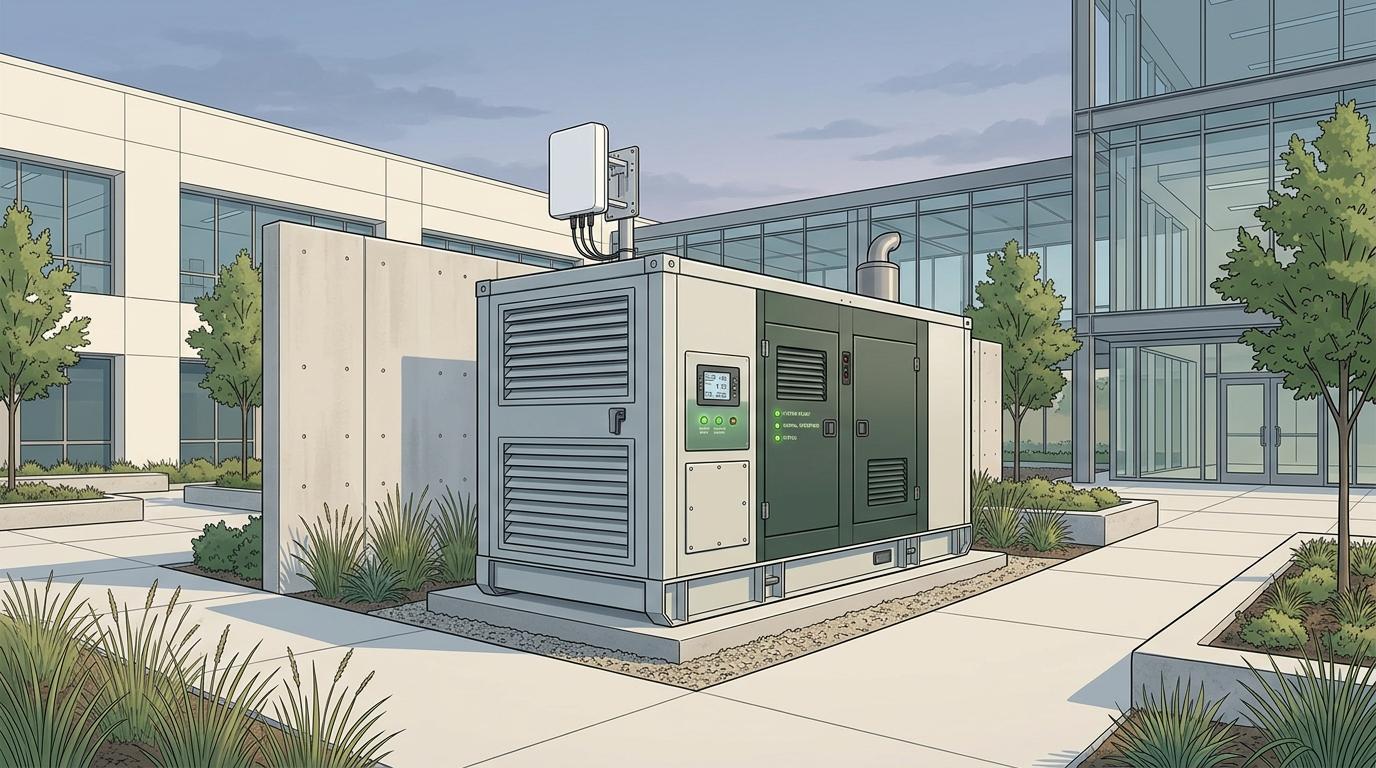
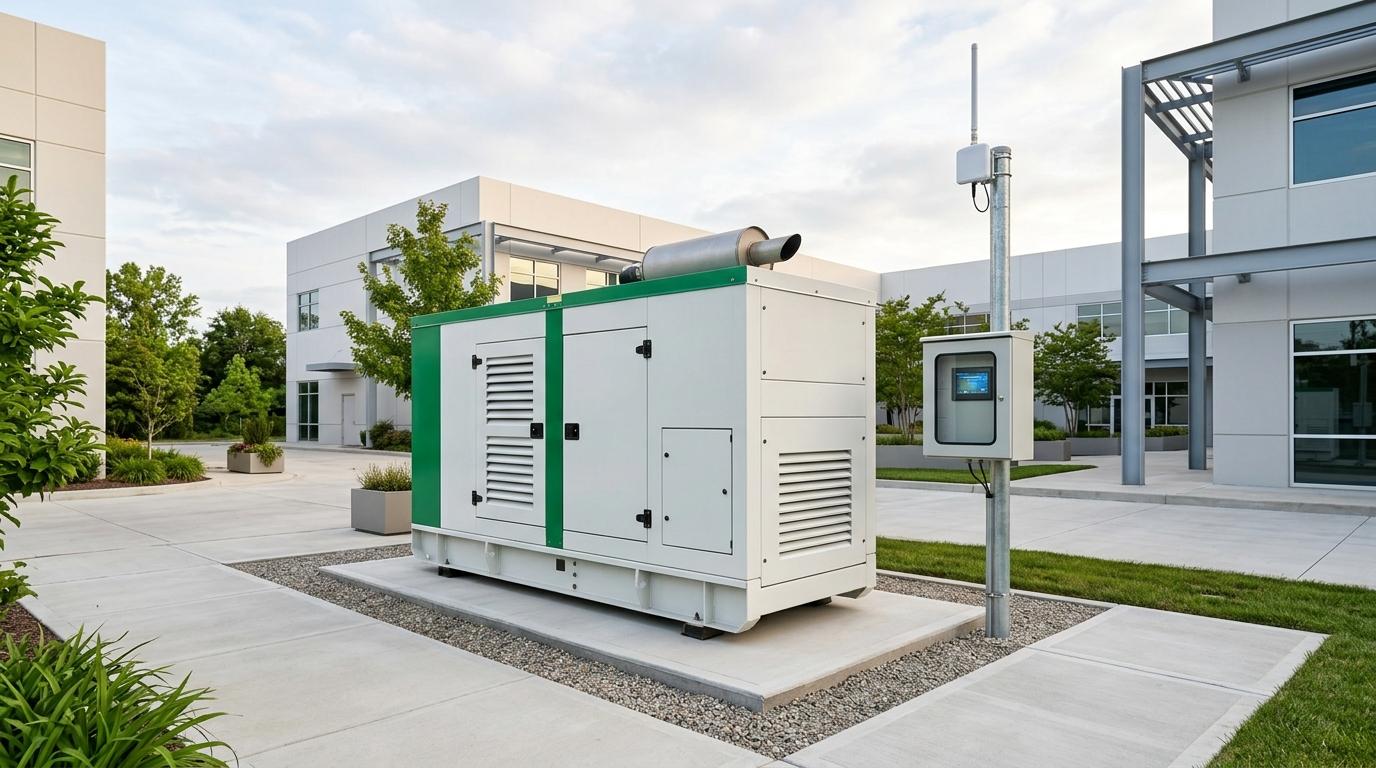
Generator remote monitoring uses connected internet sensors and digital telemetry units to track machine health, fuel levels, battery voltage, and operating hours from any connected browser or mobile dashboard. Facility managers, operations heads, and engineering teams rely on these tools to supervise distributed power assets across active job sites. Instead of relying entirely on manual inspections, teams capture continuous performance data to identify mechanical anomalies early, verify run hours accurately, and manage scheduled refueling before tanks run dry.
On Indian industrial and infrastructure sites, power disruptions occur without advance notice, and backup equipment must operate reliably under fluctuating ambient temperatures and demanding load profiles. When generators operate in remote industrial zones, infrastructure corridors, or scattered commercial branches, physical checkups become labor intensive and slow. Installing a digital supervisory system bridges the physical distance between site engineers and remote machinery, converting isolated mechanical units into visible assets.
How IoT Telemetry Connects Power Systems to the Cloud
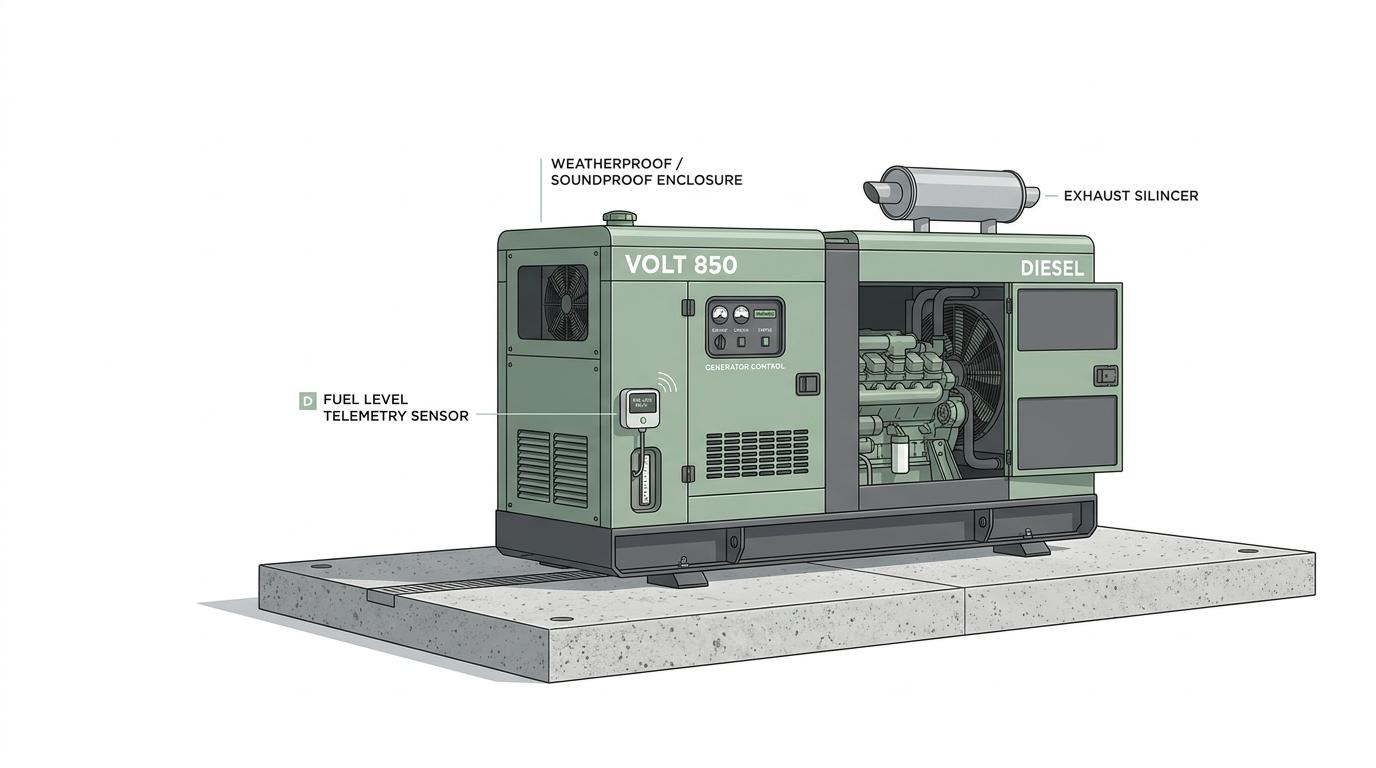
The architecture behind remote monitoring relies on three primary components: physical sensors, an edge telemetry gateway, and a cloud based software platform. The engine control unit or dedicated analog sensors collect readings from the engine block, alternator, and fuel storage. An industrial telemetry unit or modem reads this data through standard communication protocols such as Modbus or CAN bus J1939.
Once collected, the gateway bundles these readings and transmits them over cellular networks to a central server. If cellular connectivity drops temporarily, industrial modems store logged data locally and forward packets once coverage returns. In the cloud dashboard, software algorithms evaluate incoming values against normal operating bands. When metrics deviate from baseline thresholds, automated notifications route directly to designated site personnel through SMS, email, or mobile application alerts.
Critical Operating Parameters Tracked by Telemetry Systems
Comprehensive remote supervision focuses on parameters that directly affect engine longevity, operating reliability, and fuel consumption. Tracking multiple data channels simultaneously creates an accurate operating picture for maintenance teams.
- Fuel storage status: Ultrasonic or submersible hydrostatic level sensors track current volume, average burn rates per hour, and sudden drops that could indicate leaks or unauthorized extraction.
- Starter battery condition: Continuous voltage and charging circuit measurements confirm whether the starting battery maintains adequate cold cranking power for emergency starts.
- Engine thermal state: Coolant temperature and ambient enclosure sensors warn operators when the engine runs hot due to radiator fouling, coolant loss, or high surrounding air temperatures.
- Lubrication pressure: Oil pressure senders verify that mechanical components receive proper fluid circulation, helping avoid sudden engine seizure during heavy load operations.
- Alternator output: Phase voltages, line frequency in Hertz, power factor, and percentage of load capacity indicate whether electrical demands stay within safe operational limits.
- Run time logs: Accurate hour counters separate active operating hours from idle run time, providing an unambiguous foundation for maintenance planning and billing verification.
Manual Site Inspections Versus Connected Monitoring
Many commercial sites still depend on paper logbooks filled out by local technicians once or twice each day. While physical rounds remain useful for visual inspections and leak detection, logbooks provide only single snapshots in time. Remote telemetry provides a continuous historical baseline that reveals operational trends over weeks and months.
| Operational Factor | Manual Paper Logbooks | Connected IoT Telemetry |
|---|---|---|
| Observation frequency | Single periodic readings recorded once or twice daily | Continuous data streams updated every few seconds or minutes |
| Failure detection speed | Discovered only during scheduled visits or after sudden shutdown | Immediate alert generation when parameters exceed preset limits |
| Fuel reconciliation | Manual dipstick estimates subject to calculation discrepancies | Digital volume curves combined with verified engine run duration |
| Multi site oversight | Demands travel between locations or delayed phone updates | Unified visibility across all units on a single central dashboard |
| Historical maintenance tracking | Scattered physical records that are easy to misplace | Searchable digital logs showing long term performance patterns |
Practical Decisions When Choosing an IoT Monitoring Setup
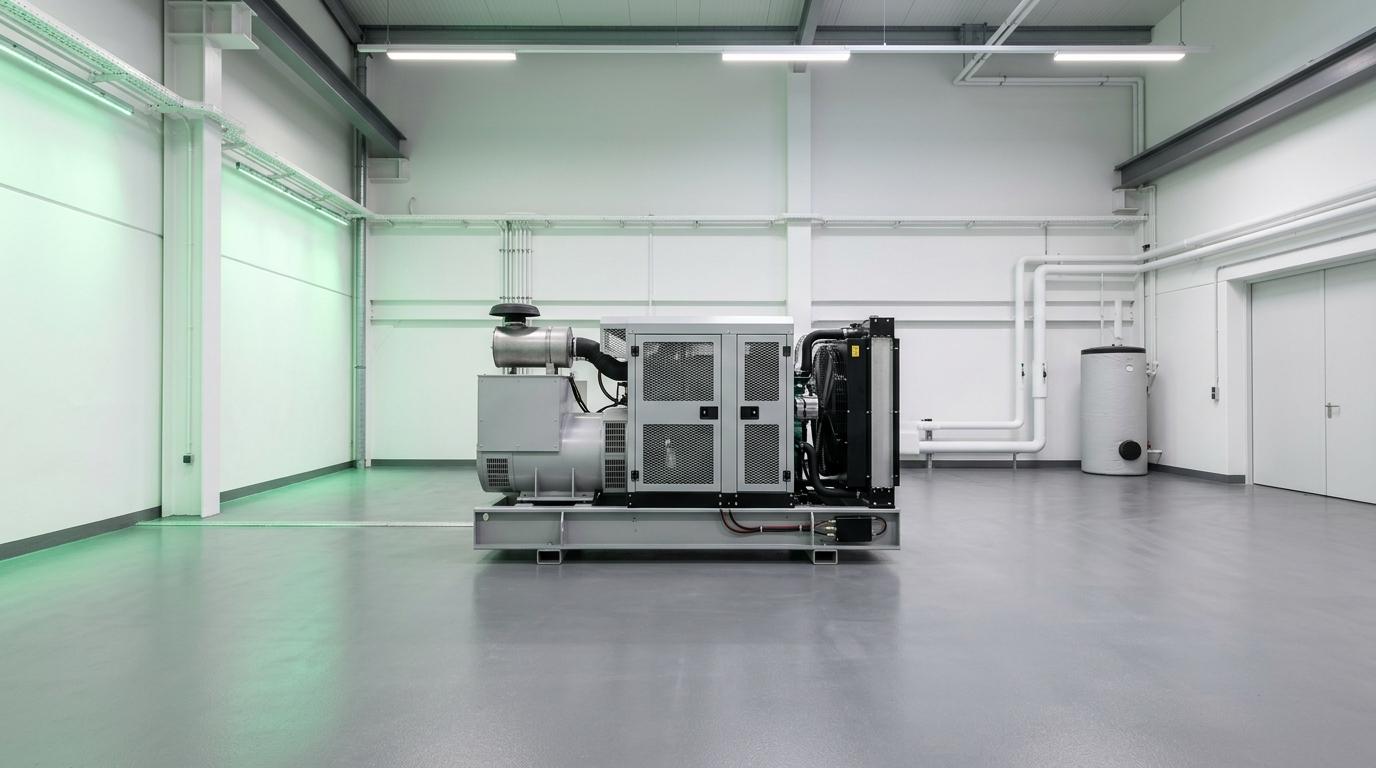
Implementing a remote tracking solution requires decisions regarding hardware compatibility, network selection, and dashboard alerts. Modern digital controllers frequently include direct serial data ports that interface neatly with telemetry hardware. Older mechanical engines or generators with manual analog control panels often require retrofit kits equipped with auxiliary sensors for temperature, pressure, and magnetic pickup speed detection.
Network reliability represents another central decision factor across Indian industrial corridors. Cellular multi network SIM cards allow modems to switch between available telecom operators if one provider experiences poor signal quality at a remote job site. When evaluating platforms, project leads must confirm whether the hardware supports offline data caching so that historical readings remain intact during network blackouts.
Alarm configuration also requires thoughtful tuning. Setting alert thresholds too tight produces continuous false alarms, which leads to alert fatigue among duty engineers. Teams find success by establishing tiered alert hierarchies: advisory messages for approaching service hours, warnings for minor temperature elevation, and critical urgent alarms for catastrophic conditions such as low oil pressure or rapid fuel depletion.
Frequently Asked Questions About Generator Remote Monitoring
What hardware is needed for generator remote monitoring?
Most setups require an industrial telemetry gateway, communication cables to connect with the engine control panel, an antenna, and dedicated sensors if the controller does not broadcast parameters like fuel volume or ambient temperature natively.
Can older diesel generators connect to modern IoT systems?
Yes, older mechanical engines can connect by adding secondary analog sensors for oil pressure, coolant temperature, battery voltage, and fuel tank depth, which wire directly into a universal telemetry module.
How does remote monitoring detect fuel theft or sudden loss?
The software compares fuel level drops against engine running status. If the fuel volume drops significantly while the engine remains turned off or idling, the platform triggers an immediate unauthorized volume loss alert.
Will an IoT gateway work in remote project areas with weak cellular signals?
Industrial gateways use high gain external antennas and multi carrier SIM cards to maintain connectivity in fringe coverage areas. Most units also store readings locally until a connection resumes.
What alerts should facility managers prioritize on their dashboard?
The most urgent alerts include starter battery low voltage, high coolant temperature, low lubricating oil pressure, emergency stop activation, and unexpected fuel level decreases.
How does remote tracking influence routine generator maintenance?
Tracking actual run hours allows service teams to schedule oil changes and filter replacements based on real operating usage rather than calendar guesswork, preventing both over servicing and deferred maintenance.
Learn how BorrowBox integrates telemetry and tracking tools to give commercial sites complete visibility over temporary power assets. Explore IoT generator monitoring options